
My child is so different from other kids. Why?
Every child is unique, and differences in learning or behavior can feel worrying. Learn why and how to support your child with understanding and care.
Some parents notice that their child becomes overwhelmed in social situations — at school, playgrounds, birthday parties, or even family gatherings. Others may struggle more with learning and academic skills, like reading, writing, or math, while some find everyday life skills such as dressing, feeding, or transitions particularly challenging. Every child is different, and what is difficult for one may be easy for another.
It’s natural to feel concerned, frustrated, or unsure when your child’s difficulties don’t line up with what you see in other kids — you’re not alone in feeling this way. Those feelings don’t mean you’re failing. Real progress comes when we focus on how your child experiences the world and discover strategies that help them grow in confidence, independence, and emotional understanding.
Children with learning differences or other neurodivergent traits experience the world in their own way. Tasks that feel automatic for most children — walking, speaking, writing, or socializing — often require intense effort and repetition. Even simple actions, like forming words, using utensils, or navigating a crowded room, can be a challenge. Everyday tasks that feel effortless to others demand focus, patience, and support — and that’s completely normal.
Examples of Struggles Parents May Notice
For Younger Children:
Difficulty with basic self-care tasks, like dressing, feeding themselves, or brushing teeth
Challenges with playtime, such as sharing toys, imaginative play, or interacting with peers
Struggles with communication, including limited vocabulary, trouble expressing needs, or difficulty understanding simple instructions
Avoiding eye contact or social interaction, like not responding when called or having difficulty joining in play with other kids
Frustration with transitions, such as moving from one activity to another or reacting strongly when routines change
Unusual reactions to sensory input, like distress from bright lights, loud noises, certain textures, or smells
Difficulty connecting with family members, feeling “out of sync” with siblings or parents
For Older Children:
Trouble focusing on reading, math, or following classroom instructions
Difficulty with fine motor tasks, including writing, drawing, or using scissors
Emotional outbursts or meltdowns when routines are disrupted
Struggling to communicate or follow multi-step instructions
Challenges connecting with family members or peers, such as misreading social cues, feeling left out, or preferring to be alone
Not every child struggles in the same way — some children may find social situations most challenging, others may need extra support academically, and some may have difficulties with daily life skills. Recognizing what is unique to your child is the first step toward meaningful support.
How You Can Help Your Child Connect and Thrive
Break tasks into small steps and celebrate each bit of progress — whether it’s buttoning a shirt, following an instruction, or completing a homework task. Every win matters.
Use hands-on, multisensory learning activities, like sorting, building, drawing, or interactive toys. Engaging your child in ways that match their learning style makes learning fun and achievable.
Model actions and words for younger children, and use visual aids (pictures, gestures, charts) for older children. Seeing and practicing together helps learning stick.
Create consistent routines to help your child feel secure and prepared for the day, especially during transitions. Predictable routines reduce stress and increase confidence.
Observe and adapt. Notice what triggers stress, like loud noises or bright lights, and offer sensory breaks or quiet spaces. Adjusting the environment shows understanding and patience.
Offer gentle encouragement and reassurance regularly. Praise, physical affection, or small rewards build confidence and motivation.
Foster social connections through structured play, role-playing, or family activities where your child feels included and valued.
I often felt like I was doing something wrong or not enough to understand and help my daughter. Watching her navigate the world with autism — whether she was overwhelmed in social situations, struggling with daily tasks, or learning new skills — sometimes made me feel helpless and exhausted.
Over time, I learned to love helping her discover new ways to express herself and learn, and I made it my commitment to become a better teacher for her, guiding her to develop skills that others thought weren’t possible. With a lot of effort, she learned to speak, read, write, understand basic math concepts, walk, and even ride her bike. Yes, she is very different from other children — but that is what makes her so special.
For parents looking for practical guidance and step-by-step strategies, the Densing Method book series→ provide tools to help children with learning and developmental differences build confidence, independence, and essential life skills.
Or check the free checklists →to see if your child shows signs of neurodivergent traits, including autism, ADHD, dyslexia, and more. These checklists help you identify patterns, and decide which strategies might be most helpful.
Remember: Your child’s differences are not deficits — they simply experience the world in their own way. With patience, understanding, and strategies tailored to how they learn best, your child can thrive academically, socially, and emotionally. Every small step forward is a success worth celebrating.

Why Do I Feel So Exhausted and Isolated as a Parent of a Child with Learning Differences?
Parenting a child with learning differences, ADHD, autism, or sensory challenges can feel exhausting and isolating. Learn practical strategies, support ideas, and self-care tips for parents.
Parenting a child with learning differences, ADHD, autism, or other developmental or sensory challenges can be overwhelming. You may feel exhausted, isolated, or unsure how to help your child while managing daily life. These feelings are completely normal — and you are not alone.
This post goes in detail about why parenting can feel so draining, shares practical strategies and support ideas, and explores ways to care for yourself while supporting your child. It also includes a personal story from my own journey raising an autistic daughter.
My Personal Journey
When my daughter was young, I found myself drifting further and further away from social connections. She often felt uncomfortable being in groups, and spending time with other families together was more stressful than enjoyable. As she got older, her unique behaviors drew more attention, which made public outings more challenging.
Over time, I adapted by planning activities during quieter times or visiting places with fewer people. The sensory stimulation of noise was much less, and it became easier for both of us to navigate. We could go through museums at her pace — moving quickly through some areas and spending more time in others — instead of trying to match the pace of a group. It was far more relaxing for both of us.
I also learned the importance of giving her dedicated time while setting aside moments for myself. Sometimes I arranged for someone else to watch her so I could meet friends and talk freely. This balance — focused time with her and occasional time for myself — helped me feel more positive and resilient in my parenting journey.
Of course, every parent and child is different. Some may prefer more social interaction, others less. What matters is finding the balance that works for you and your child, and learning to adapt in ways that support both your child’s needs and your own well-being.
Why Parents Often Feel Exhausted and Isolated
Parenting a child with learning differences, ADHD, autism, or sensory challenges can be deeply rewarding — but it can also be draining in ways that are hard to describe. Many parents find themselves constantly on alert, trying to anticipate their child’s needs and manage unpredictable moments.
Some common experiences parents report include:
Constant Mental Load: You’re always thinking ahead — what’s for school, how to support homework, how to avoid a meltdown, whether your child will handle a new social situation. Even small errands can feel like a major project.
Emotional Drain: When your child struggles with emotions, learning, social skills, or sensory challenges, it’s normal to feel worry, frustration, guilt, and sadness — emotions that can quickly become exhausting.
Feeling Misunderstood: Friends, extended family, and even schools may not fully understand your child’s needs. Invitations to social events might feel more stressful than enjoyable, and casual comments from others can unintentionally make you feel judged or isolated.
Juggling Responsibilities: Between work, appointments, household tasks, and caring for siblings, there’s rarely time for yourself. It can feel like every moment is dedicated to someone else’s needs.
Loss of Connection: Some parents notice that as their child gets older, it becomes harder to spend time with other families or friends because public spaces, social groups, or noisy environments overwhelm their child. The very experiences that once brought joy — museums, birthday parties, playgrounds — can start to feel stressful and isolating.
In short: It’s easy to feel like you’re running on empty. Feeling exhausted, alone, or unsure doesn’t mean you’re failing. It means you’re doing the hard, constant work of supporting a child with unique needs.
Practical Strategies to Reduce Exhaustion
Feeling exhausted doesn’t mean you’re failing — it shows how much you care. Parenting a child with learning differences or sensory challenges can be intense, but small, thoughtful steps can help you feel more supported and restore your energy.
Build a Support Network: Connecting with other parents who understand what you’re going through can make a world of difference. Local support groups, online communities, or even a trusted friend can help you feel seen and less alone. Sharing your experiences — and hearing theirs — reminds you that you’re not in this by yourself.
Ask for Help: It’s okay to lean on others. Whether it’s family, friends, or teachers, letting someone share the load — even for a short time — gives you a chance to rest, recharge, or simply have a break. You don’t have to do everything alone.
Set Realistic Goals: Focus on small, achievable steps for both your child and yourself. Trying to tackle everything at once can be overwhelming, but breaking tasks into manageable pieces helps you feel more in control and gives your child clear successes to celebrate.
Use Structured Routines: Predictable schedules can reduce stress for both you and your child. Knowing what comes next creates a sense of security, builds confidence, and lightens your mental load. Even simple routines for meals, bedtime, or homework can make daily life feel more manageable.
Be Gentle with Yourself: Some days will be harder than others — and that’s okay. Celebrate small victories, whether it’s your child mastering a new skill, or simply getting through a challenging day. Taking moments to acknowledge your efforts helps maintain your resilience and emotional well-being.
Prioritize Self-Care
YYour well-being matters — you can’t pour from an empty cup. Taking care of yourself isn’t selfish; it’s essential for both you and your child. Even small moments of care can make a big difference.
Take Short Breaks: Steal a few minutes for yourself whenever you can — a quiet cup of tea, a stretch, or a few deep breaths. Even a small pause can help you recharge and feel more centered.
Practice Mindfulness or Relaxation: For some, yoga, Pilates, or meditation works well; for others, a run around the block, a walk in the park, or gentle stretching at home can make a big difference. Finding what helps you reset allows you to face challenges with more patience.
Celebrate Small Wins: Notice the progress your child makes — and your own. Every small step counts, whether it’s a new skill, a calmer moment, or simply surviving a tough day. Giving yourself credit for these wins nurtures your resilience and keeps you motivated.
Finding Professional Support
Sometimes extra guidance can make a huge difference:
Therapists or Counselors: Help manage stress, guilt, and anxiety.
Parent Coaching or Workshops: Learn strategies for supporting your child without burnout.
School & Community Resources: Advocate for your child’s needs and connect with local programs or specialists.
You Are Not Alone
Feeling exhausted and isolated doesn’t mean you’re failing — it means you’re doing the hard work of raising a child with unique needs. Finding the right balance between dedicated time with your child and occasional time for yourself can make a huge difference. Every parent and child is different, and discovering what works for you both is a key step toward positive, joyful parenting.
For more strategies on supporting your child and managing parent stress, explore our full guide on parenting children with learning differences.

Parenting Children with Learning Differences: Strategies, Support, and Encouragement
Practical strategies for parents and teachers to support children with learning differences, ADHD, autism, dyslexia, or developmental delays. Learn how to validate emotions, encourage low-pressure social connections, teach self-advocacy, and help children build confidence, independence, and essential and life skills at their own pace.
When I first realized my daughter was struggling with learning and social interactions, I often felt unsure if I was doing enough to help her. She experienced the world differently — overwhelmed by sensory input, challenged by daily routines, and frustrated by skills that came easily to other children. At times, I felt isolated and exhausted.
But over time, I learned that small, patient steps, hands-on strategies, and celebrating every accomplishment could make a real difference. Helping her discover new ways to express herself, learn, and grow became one of the most rewarding parts of parenting. Watching her progress — learning to speak, read, write, understand basic math, and even ride a bike — showed me that every child’s differences are also their unique strengths.
Parenting a child with learning differences can be incredibly rewarding, but it also comes with unique challenges. You may notice your child struggles with reading, writing, math, attention, social skills, or emotional regulation. It’s natural to have tough days, but every moment you spend supporting your child matters — and you are making a real difference in their life.
This post goes in detail about what parenting children with learning differences can look like, explores strategies to support their growth, and offers ideas for maintaining your own well-being along the way.
Understanding Learning Differences
Learning differences can include autism, ADHD, dyslexia, dyscalculia, processing disorders, or other cognitive or sensory challenges. Every child’s strengths and struggles are unique.
Recognizing these differences early and understanding how your child experiences the world is key. Some children may need more time to process instructions, while others may excel in creative or visual tasks but struggle with traditional academic skills. Your child’s behaviors and learning style are not a reflection of effort or intelligence — they are part of how they navigate the world.
You can check the free checklists → to see if a child shows signs of neurodivergent traits, including autism, ADHD, dyslexia, and more. These checklists help identify patterns, and decide which strategies might be most helpful.
Common Challenges Parents Face
Parenting children with learning differences can bring emotional and practical challenges that leave many parents feeling exhausted, stressed, or unsure.
Academic Struggles: Reading, writing, math, or attention difficulties can make homework frustrating for both you and your child.
Emotional Regulation: Children may experience frequent frustration, meltdowns, or anxiety around learning or social situations.
Social Challenges: Interacting with peers can be difficult, leading to feelings of isolation for your child — and sometimes for you as a parent.
Sensory Sensitivities: Noise, crowded spaces, or physical touch may overwhelm your child and affect daily routines.
Balancing Expectations: Between school, therapies, extracurricular activities, and family life, it’s easy to feel pulled in every direction.
Every child has unique strengths and ways of learning. Struggling in certain areas doesn’t mean your child isn’t capable — it just means they may need a different approach. With patience, understanding, and the right strategies, children with learning differences can discover what they’re truly capable of, gain confidence, and build skills that last a lifetime.
Strategies for Supporting Your Child
These approaches can help your child succeed academically, socially, and emotionally while reducing stress for both of you:
Celebrate Strengths: Focus on what your child does well. Highlight their creativity, problem-solving skills, or unique talents alongside areas that need support.
Break Tasks Into Steps: Divide complex assignments into smaller, achievable parts to reduce frustration and build confidence.
Use Multi-Sensory Learning: Combine visual, auditory, and hands-on activities to help your child process information more effectively.
Create a Predictable Routine: Consistent schedules reduce stress and help children feel secure.
Offer Choices and Autonomy: Giving your child options encourages independence and self-advocacy.
Collaborate with Teachers and Therapists: Work together to develop strategies that support your child at school and home.
For parents looking for practical guidance and step-by-step strategies, theDensing Method book series → provides multi-sensory, hands-on tools to help children with learning and developmental differences build confidence, independence, and essential life skills.
Supporting Your Child’s Emotional and Social Growth
Validate Feelings: Acknowledge frustration, anxiety, or disappointment. Let your child know it’s okay to feel these emotions.
Practice Calm Problem-Solving: Model coping strategies for challenging situations.
Encourage Social Connections: Small, low-pressure social settings often work best for children with learning differences. You might consider a special needs gymnastics or music class nearby, or look for groups where other families face similar challenges. These environments allow your child to practice social skills at their own pace while building confidence.
Teach Self-Advocacy: Help your child express their needs and seek help when necessary.
Helping a child learn to express their needs and seek support is an essential skill — and it can be fun, empowering, and confidence-building. Start by encouraging them to use words, gestures, or visual tools to show what they need, whether at home, in school, or during social activities.
Celebrate every step they take toward speaking up, making choices, or asking for help. Even small wins — like telling a teacher they need a break or asking a peer to play — are big milestones in building independence.
Schools that offer peer tutoring or buddy programs can be especially helpful, giving children the chance to learn from and connect with other kids their age. These experiences help them practice self-expression, problem-solving, and social skills in a supportive environment.
Remember: every child is different. Some may feel confident advocating quickly, while others need repeated practice and reassurance. Your patience, encouragement, and modeling of self-advocacy make a huge difference. By nurturing these skills, you’re helping your child gain confidence, feel understood, and take ownership of their learning and social experiences.
Taking Care of Yourself as a Parent
Parenting children with learning differences can be exhausting. Your well-being matters — you can’t pour from an empty cup.
Take Short Breaks: Even a few quiet minutes for yourself can restore energy.
Find Activities That Recharge You: For some of you gentle activities like stretching, walking, or meditation can calm your mind, while more active options like running, Pilates, or biking may work better for others. The key is finding what helps you reset.
Celebrate Small Wins: Recognize your child’s progress — and your own. Every small achievement matters.
Build a Support Network: Connect with other parents who understand your situation, support groups, or communities to share experiences and feel less alone.
Encouragement for the Journey
Parenting a child with learning differences is a journey with ups and downs. Some days may feel overwhelming, but every small step forward — in learning, social skills, or emotional regulation — is a victory. Finding strategies that work for your child, setting realistic goals, and caring for your own well-being are essential for long-term success.
Remember: your child’s learning differences are part of what makes them unique. With understanding, patience, and support, you can help them thrive — and feel confident in their own abilities.
For more support and to understand why parenting a child with learning differences can sometimes feel overwhelming, explore other relevant posts to learn how to understand your child →
How Can I Support My Child at Home Without Causing Frustration?
Struggling with daily routines, homework, or sensory challenges? Learn practical, hands-on strategies to support your child at home, build executive functioning skills, reduce frustration, and help them gain confidence and independence.
Every day can feel overwhelming when ordinary tasks become struggles. Your child might resist getting dressed, have trouble with homework or following instructions, or get frustrated during play. Sensory sensitivities — like loud noises, certain textures, or bright lights — can make even simple activities challenging. Countless families face similar struggles, but small steps can make a big difference.
The good news is that thoughtful adjustments at home can help your child feel capable, reduce frustration, and make learning and daily routines more positive.
Signs Your Child May Be Feeling Overwhelmed
Children who experience the world differently often show stress in ways parents notice. Common signs include:
Resistance or meltdowns during getting ready to leave the house, transitioning between activities, or completing chores
Difficulty coping in public spaces, such as going to a store, being around many people, or experiencing unexpected loud noises like dogs barking or people coughing
Avoiding tasks or giving up quickly
Trouble following multi-step instructions
Sensory sensitivities (noise, textures, lights, movement)
Appearing frustrated, sad, or discouraged
These behaviors are not a reflection of laziness or defiance — they are signals your child may need support. Observing and responding with empathy is the first step toward reducing frustration and helping your child thrive.
Practical Ways to Support Your Child at Home
1. Break tasks into small, achievable steps
Instead of expecting a full task to be done perfectly, divide it into smaller pieces. Celebrate each small success, which helps your child feel accomplished and reduces overwhelm.
2. Use your child’s interests to guide learning
Children learn best when activities connect to what excites them. For younger kids, this might mean practicing counting with blocks or letter sounds with songs. For older children, incorporate their favorite hobbies or topics into reading, writing, or problem-solving activities.
3. Hands-on, playful learning
Many children respond better to tactile, movement-based, or multisensory learning than worksheets or verbal instructions alone. Simple games, puzzles, sensory bins, or arts-and-crafts can reinforce skills while keeping learning fun for all ages.
4. Build predictable routines
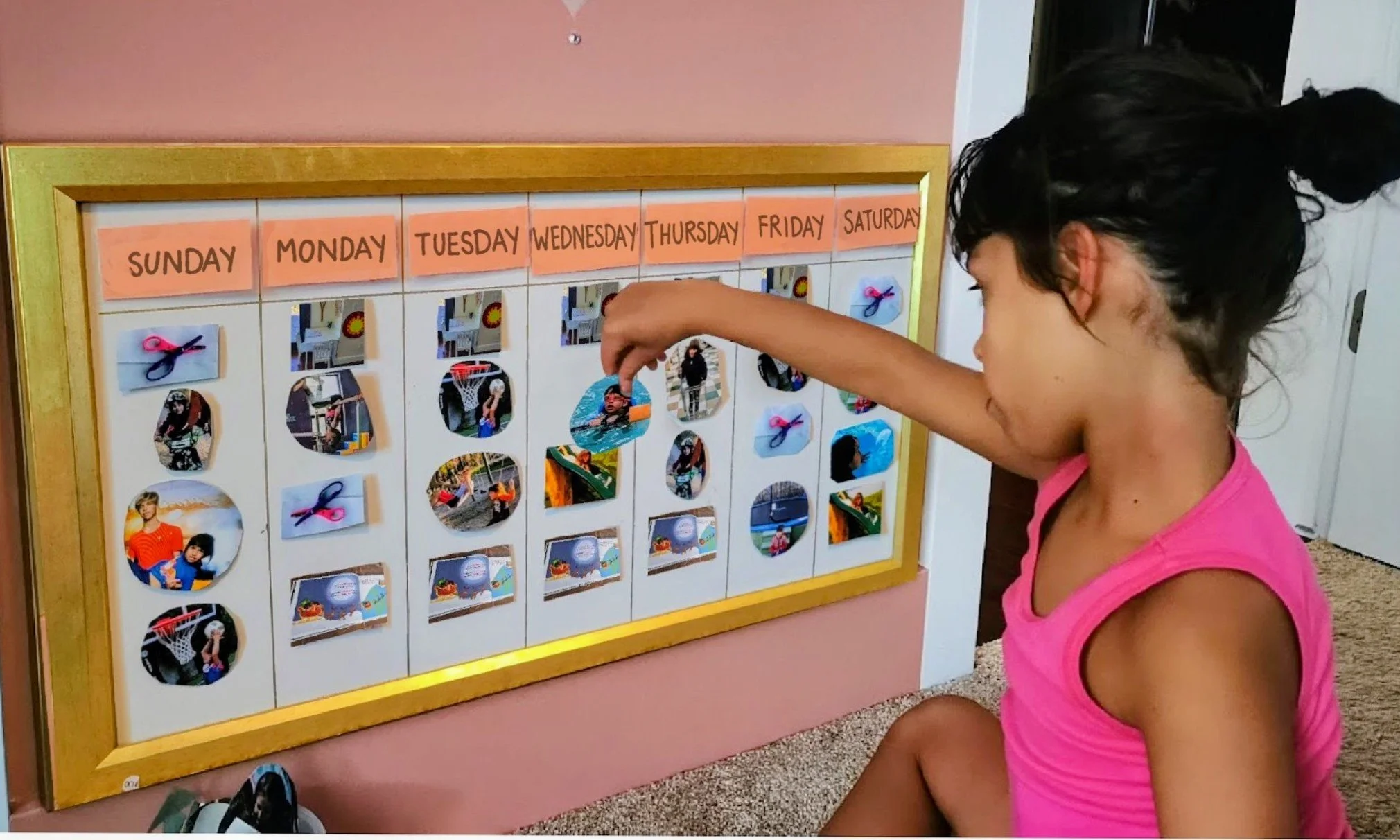
Consistent schedules give children a sense of safety and help them anticipate what comes next. Visual schedules, checklists, or consistent sequences for morning and evening routines can prevent stress and frustration.
5. Focus on effort, not perfection
Encourage your child for trying and practicing rather than finishing perfectly. This builds motivation, resilience, and confidence — skills that help in school and life.
6. Observe and adjust
Pay attention to your child’s reactions. If frustration rises, pause, simplify, or change the approach. Flexibility keeps children engaged and prevents meltdowns.
Tools and Strategies for Lasting Progress
Many parents wonder if helping at home can also teach independence and self-confidence. The answer is yes — with the right guidance. Executive Functioning and Life Skills→ provides tailored, step-by-step tools to practice everyday skills, emotional regulation, focus, and independence. Encouraging your child to create and use their own resources turns challenging moments, over time and with patience, into meaningful learning opportunities — empowering both you and your child.
Looking Ahead With Confidence
Every child can grow skills and confidence at their own pace. By using small, consistent steps, observing your child’s needs, and adding playful, hands-on strategies, you can turn challenging moments into learning opportunities.
With patience and support, you can help your child feel more capable, independent, and confident — and create a home where learning and connection feel joyful rather than stressful.

Why Does My Child Have So Many Meltdowns? How Parents Can Support Their Child
Frequent meltdowns, tantrums, and emotional outbursts can leave parents feeling frustrated and overwhelmed — especially in children with ADHD, autism, or other neurodivergent differences. This guide explains why these reactions happen and shares simple, practical strategies to help your child stay calm, manage big emotions, and gradually build emotional regulation skills — even in public.
Many parents ask the same difficult question:
“Why does my child have frequent meltdowns?”
Experiencing frequent meltdowns can feel exhausting, confusing, and isolating. You may wonder if you’re doing something wrong or why your child seems unable to control their reactions.
Children — especially those with autism, ADHD, sensory sensitivities, or other neurodivergent differences — often have meltdowns because their brains become overwhelmed by strong emotions, frustration, or sensory input they cannot yet process. During these moments, the emotional part of the brain takes over, making it difficult for them to think clearly or control their reactions.
The good news is that with patient guidance, repeated practice, and practical strategies, children can gradually build emotional regulation skills, reduce meltdowns, and gain more confidence in handling overwhelming situations .
When Meltdowns Happen at Home
Even at home, frequent meltdowns can feel exhausting, overwhelming, and frustrating. The good news is that being in a familiar, safe environment gives you the advantage of space, control, and opportunities to help your child practice emotional regulation. These strategies are especially helpful for children with autism, ADHD, sensory sensitivities, or other neurodivergent differences.
Here are practical ways to support your child during at-home meltdowns:
Use imagination, storytelling, or simple riddles – You can try easy riddles or guessing games where it’s simple for them to guess correctly. Praise them immediately for knowing the answer. Repeat a few times until they start to relax. You could also encourage your child to make up a short, funny story, draw a silly picture, or imagine an animal doing something ridiculous. Focus on celebrating their efforts and successes, praising them for letting go of upset feelings and behaving well, rather than highlighting mistakes. This helps their brain step out of the emotional spiral while building confidence and joy.
Mini-missions or playful help – Pretend you really need your child’s help with something important, like “rescuing” a favorite toy, or carrying a pretend treasure. Praise them sincerely for being helpful and responsible. This shifts their focus from intense emotions to feeling capable, needed, and proud, giving their mind something concrete to concentrate on while calming down.
Use humor and playful exaggeration – Say something silly or obviously untrue, like “Uh-oh, I think our couch turned into a giant marshmallow!” Let your child correct you. Make a funny face, do a goofy dance, or exaggerate a normal action. Humor shifts attention away from overwhelming emotions, encourages engagement, and often gets children to join in, turning frustration into laughter. This reinforces positive emotional associations and strengthens self-regulation skills.
Tactile or sensory input – Offer a fidget toy, soft object, or small snack. Physical or sensory engagement helps regulate the nervous system, allowing their emotions to settle more quickly.
Create a calm corner – Set up a cozy space with pillows, soft toys, fidget tools, or a weighted blanket. Invite your child gently to this area when they start showing signs of overwhelm. A calm, safe space gives their brain the chance to reset and regain control.
Label and validate feelings – Calmly name their emotions: “I see you’re really upset because that toy broke. It’s okay to feel frustrated.” Validating feelings helps them feel understood, safe, and ready to learn healthier ways to respond.
Understanding Children’s Meltdowns and Why These Strategies Help
Many parents wonder why their child has frequent tantrums or emotional meltdowns. Frequent meltdowns don’t happen because your child wants to misbehave — they happen because their brains get overwhelmed and store the emotional reaction. Like learning motor skills, emotional regulation takes practice, repetition, and support. Strong reactions can become habits simply because the brain remembers the emotional pattern.
By redirecting attention, using playful strategies, and reinforcing successes, you give your child new, healthier patterns to store in their brain, helping them gradually manage strong feelings more effectively.
Every Child Is Different: Finding What Works Best
Every child responds differently, so it’s important to observe and experiment with strategies that help them calm down without adding exhaustion. Not every technique works for every child, and that’s completely normal.
For example, with my daughter, I’ve learned that in the middle of a meltdown, saying “I understand why you’re upset” doesn’t help. In that moment she is too overwhelmed to process reasoning. Instead, I first shift her attention with playful humor or a small distraction. Later, in a calmer moment, I focus on modeling the behavior instead of explaining it in the moment — like when I accidentally break something — showing her that mistakes happen, it’s okay, and we can fix or replace it together. Over time, she sees that strong feelings can pass and that mistakes are manageable. To find out more about our personal journey, [click here].
Progress can be gradual and sometimes slow, and it may feel hard to see success for a while. But when you look back, even small improvements — like a calmer reaction or a moment of cooperation — show real growth. Every small step forward is a victory, and your patience and support truly make a difference.
Sometimes frequent frustration and emotional reactions are connected to underlying challenges such as coordination difficulties, fine motor struggles, or tasks that feel harder for your child than for others.
If you’d like to explore this further, this article explains how motor development can influence frustration and behavior: Understanding Motor and Fine Motor Challenges in Children→.
Tips for Maximizing Success
Start small – Use one or two strategies at a time until your child begins to respond.
Be consistent – Frequent repetition builds new emotional habits in the brain.
Celebrate wins immediately – Focus on what your child did well, no matter how small.
Use positive reinforcement – Praise efforts, creativity, problem-solving, and letting go of bad feelings. This encourages repeated success and builds confidence.
With these playful, structured strategies, you can help your child manage frequent meltdowns at home, practice emotional regulation, and build confidence in handling overwhelming feelings — setting the stage for success in public and school environments.
These things can make it easier to guide your child through the moment and set gentle boundaries.
When Your Child Has a Meltdown in Public
Public meltdowns can feel incredibly stressful for parents. One moment everything may seem fine, and the next your child is crying, yelling, or completely overwhelmed in a grocery store, restaurant, or airport. Suddenly it may feel like the entire world is watching you.
Many parents describe feeling:
embarrassed
judged by strangers
pressured to make the behavior stop immediately
overwhelmed themselves
It’s normal to feel anxious in these moments, but it’s important to remember: your child is not trying to embarrass you.
Busy places can be overwhelming for children — crowds, noise, bright lights, waiting in lines, and unexpected changes can overload their brains very quickly. In these moments, the most helpful thing you can do is focus on your child, not the people around you. Strangers will move on, but your child needs your calm presence to help their brain settle again.
Here are some practical ways to gently redirect your child’s attention during a public meltdown:
Make a playful mistake – Say something obviously silly or untrue in a way that invites your child to notice and correct it. For example: “I think we forgot the milk! Can you find it in the basket?”
Even though the milk is already there, this playful “mistake” gently redirects your child’s focus from overwhelming emotions to a simple, helpful task. Let them correct you, celebrate their cleverness, and continue the game as needed. This approach helps your child step out of the meltdown and engage with the moment in a positive way.
Tell a quick joke or funny story – Say something small and silly to make your child smile or exaggerate something in a way that encourages your child to laugh and momentarily step out of the emotional spiral. This gently redirects their attention, helps them laugh, and steps them out of the meltdown without drawing attention from others.
Play a noticing game – ask your child to find all the red objects in the store, or count ceiling tiles, lights, or people wearing hats. This gives their brain something concrete to focus on.
Offer a tactile or sensory distraction – a fidget toy, a soft object, or even a small snack can help redirect energy while keeping them grounded.
Give a mini “mission” – something small, like helping you pick an item off the shelf, carry a bag, or choose the fruits. This creates a sense of control and shifts focus away from overwhelming feelings.
The key is to make redirection gentle, playful, and low-pressure. The goal is not to stop feelings but to give their brain a “pause button,” helping them calm down while still feeling heard, safe, and supported.
Why Children Cannot “Just Stop” a Meltdown
One of the most frustrating parts for parents is that children often know what they should do, but still cannot stop the meltdown.
This happens because when a child becomes overwhelmed, the brain shifts into an emotional survival response. The thinking part of the brain becomes less active, and the emotional part takes over.
When this happens, children cannot easily reason, listen to instructions, or control their reactions.
This is why telling a child to “calm down” or “stop crying” rarely works during a meltdown.
Their brain first needs help calming down before the child can think clearly again.
Emotional Regulation Is a Skill That Must Be Learned
Learning how to handle big emotions is a skill — just like learning to speak clearly, write letters, or coordinate body movements.
For many typically developing children, these emotional regulation skills gradually improve as their brains mature.
For children with autism, ADHD, or other neurodivergent differences, this process often takes much longer and requires more support.
Even when children understand expectations intellectually, their brains may struggle to access those skills in overwhelming moments.
Without practice, repetition, and patient guidance, emotional regulation skills cannot develop automatically.
Why Meltdowns Can Turn Into Habits
Strong emotional reactions can unintentionally become patterns in the brain.
When a meltdown or misbehavior happens during a very intense emotional moment, the brain often stores that entire experience together with the reaction that followed.
Because the experience was so emotional, the brain remembers the pattern very clearly. Later, when a similar situation occurs, the brain may automatically trigger the same response.
This does not mean the child wants to misbehave. It simply means their brain is returning to a response it has already stored.
For children who process information differently, reactions may be connected more strongly to sensory or emotional cues rather than logical reasoning in the moment.
With patient guidance and repeated practice, however, the brain can gradually learn and store healthier responses instead.
Signs Your Child May Be Struggling With Emotional Regulation
You may notice:
frequent meltdowns or emotional outbursts
difficulty calming down once upset
becoming overwhelmed in noisy or busy environments
strong reactions to frustration or unexpected changes
difficulty expressing feelings with words
crying, yelling, or shutting down when overstimulated
feeling embarrassed or sad after a meltdown
more meltdowns when tired, hungry, or overwhelmed
These signs often indicate that a child needs support developing emotional regulation skills, not punishment.
Practical Strategies to Support Your Child
Stay Calm
Children often regulate themselves through the calmness of the adult supporting them. Your calm voice and body language can help signal safety to their nervous system.
Redirect Attention
Gently redirecting your child to something engaging or comforting can interrupt the emotional cycle and help their brain reset.
Reduce Sensory Input
If possible, move to a quieter space or reduce noise and visual stimulation.
Keep Communication Simple
During a meltdown, use short and simple sentences. Too many words can overwhelm a child further.
Prepare for Difficult Situations
If certain environments often trigger meltdowns, preparing your child ahead of time, bringing comfort items, or planning breaks can help.
Celebrate Small Wins
Positive reinforcement builds confidence and reduces frustration. Recognizing small improvements helps children gradually learn new emotional responses.
Helpful Resources for Parents
Supporting emotional regulation takes patience, repetition, and practical tools. The book Executive Functioning & Expressing Feelings→ provides step-by-step guidance for parents to build tools together with their children to manage emotions, develop time management skills, and organize daily routines. By involving children directly in creating strategies, they take ownership of their learning, strengthen executive functioning skills, and build a closer connection with parents. This hands-on approach complements the playful strategies above and gives children practical ways to practice emotional regulation daily.
When Should Parents Seek Additional Support?
If meltdowns are happening very frequently, last a long time, or interfere with school, friendships, or daily routines, it may be helpful to seek additional guidance. Pediatricians, therapists, and educational specialists can help identify underlying challenges and provide strategies tailored to your child’s needs.
Encouragement for Parents
If your child has frequent meltdowns, it does not mean you are failing as a parent.
You are not alone. Many parents face these challenges — including myself, with my autistic daughter — and it can feel overwhelming at times. Progress is often slow and gradual, and there may be stretches where it feels hard to see any success. But when you look back after a while, even small improvements — a calmer reaction, a moment of cooperation, or a smile after frustration — reveal how much your child has learned. Every little step forward is a victory, and your patience and support make a real difference in helping your child feel safe, understood, and confident.
Why Does My Child Struggle with Reading, Writing, or Math?
Many neurodivergent children or children with learning differences struggle with reading, writing, basic math, or following multi-step instructions. Tasks that seem simple can feel overwhelming, leading to frustration, forgetfulness, or avoidance. Learn practical, hands-on strategies to support your child at home, reduce stress, and build confidence academically, socially, and emotionally.
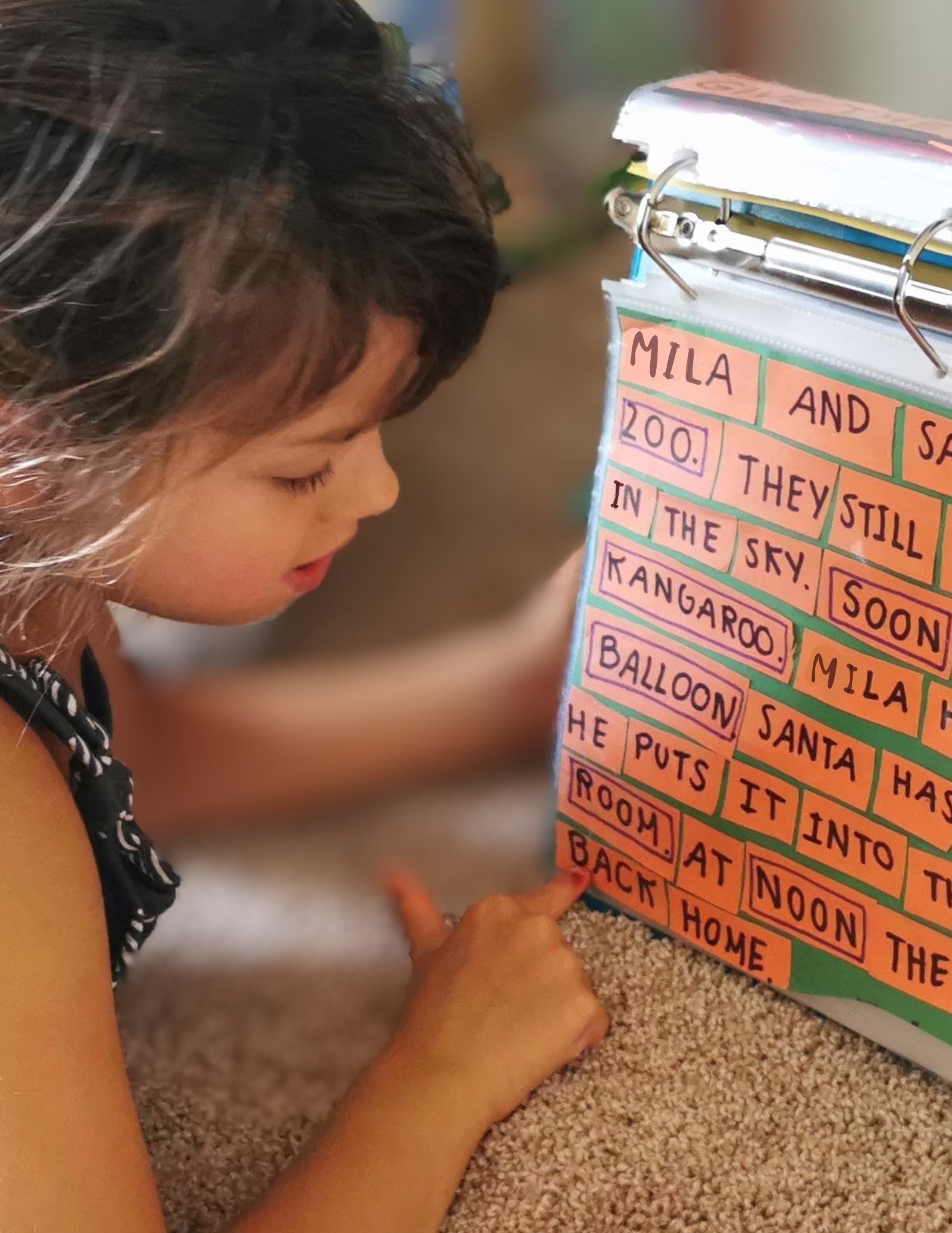
Many neurodivergent children, children with learning differences, or children with developmental delays see and process information differently than adults expect. Tasks that seem simple — like following multi-step instructions, learning to read, write, or grasp basic math concepts, completing homework, or participating in everyday routines — can feel overwhelming. If instructions are too long or involve too many steps, they may get lost, forget where they started, or become frustrated before finishing. Children with ADHD, autism, dyslexia, or sensory processing challenges often experience this, even when they are capable and motivated. Understanding how your child perceives and navigates the world is the first step to supporting them. By breaking learning into manageable steps, using hands-on strategies, and tailoring activities to their individual strengths and needs, you can reduce frustration, build confidence, and help your child succeed academically, socially, and emotionally.
Signs You May Notice:
Difficulty remembering instructions or the order of steps
Frustration with school tasks, homework, or daily learning activities
Avoidance of reading, writing, or math exercises
Easily distracted during lessons or practice
Holding a book upside down or starting to read/write on the wrong side of the page
Skipping words, lines, or not following the sequence when reading
Not knowing how to place letters on the lines when writing
Difficulty counting objects accurately, sometimes double-counting or skipping items
Reversing letters or numbers when writing
Struggling to remember sequences in songs, rhymes, or routines
Practical Strategies:
Step-by-step learning – Break assignments or tasks into small, manageable pieces and focus on one step at a time. This approach helps children follow instructions without getting lost or frustrated.
Visual aids & color coding – Use picture cues, colored markers, or flashcards to make concepts easier to follow. These tools help break tasks into clear steps and make learning more engaging, especially for children who process information differently.
Hands-on activities – Turn math, reading, or writing into tactile games or projects connected to your child’s interests. Using hands-on activities helps concepts stick, keeps learning fun, and engages children who might struggle with traditional worksheets or verbal instructions alone.
Incorporate interests – Learning tied to things your child enjoys increases engagement, motivation, and makes challenging tasks feel more enjoyable.
Celebrate small wins – Positive reinforcement builds confidence and reduces frustration. Recognizing small wins in learning reinforces student engagement, boosts confidence, and makes mastering new skills more achievable, aligning perfectly with the Densing Teaching Method.
Structured Resources:
Books like Mathematics→, and Reading & Writing→ guide parents through these strategies, providing step-by-step tools and personalized approaches to help each child succeed while keeping learning fun and meaningful.
Conclusion / Encouragement:
Small, consistent adjustments tailored to your child’s needs can make a big difference. By observing how they learn, adapting lessons to their strengths, and using hands-on strategies, you can help your child gain confidence, improve skills, and enjoy learning. Learn more!
Why Does My Child Struggle with Fine Motor Skills, Movement, and Sensory Challenges?
Many parents wonder why their child struggles with tasks like writing, using utensils, or dressing themselves. Children with ADHD, autism, developmental delays, Down syndrome, or other neurodivergent differences may also face sensory challenges that make everyday activities frustrating and exhausting. Learn practical, playful strategies to help your child build fine and gross motor skills, coordination, and confidence — while reducing stress for both of you.
Many parents wonder: ‘Why does my child struggle with everyday tasks like writing, cutting, buttoning clothes, or tying shoes — and seem easily overwhelmed by textures, sounds, or movement?’ For children with ADHD, autism, developmental delays, Down syndrome, or other neurodivergent differences, these everyday activities can feel overwhelming and exhausting — even when other children seem to do them effortlessly. Sensory sensitivities — like being easily overwhelmed by lights, sounds, textures, or movement — often add to the challenge, making motor tasks feel even harder.
Imagine waking up one day after an accident or stroke, and suddenly your brain and body don’t communicate the way they used to. Your hand won’t grip the pencil correctly, your fingers fumble with buttons, and simple movements that once felt automatic now require constant focus, effort, and guidance. That’s often what it’s like for children born with differences in how their brains process motor skills — their brains are wired to learn these connections gradually, step by step.
With patience, consistent support, and guided practice, they can slowly build control and coordination, step by step, just like someone learning to move their hand, write, or walk after a stroke — turning effort into skill and frustration into confidence.
Understanding these challenges is the first step to helping your child build independence, confidence, and success in everyday tasks.
Signs You May Notice
You might notice your child:
Difficulty learning to crawl, sit up, or walk independently
Trouble coordinating movements on playground equipment, stairs, or uneven surfaces (issues with depth perception, balance, or sensory processing)
Struggling to hold a spoon, fork, or cup without spilling
Difficulty dressing themselves: buttoning, zipping, or tying shoes
Trouble holding a pencil, crayon, or marker correctly
Difficulty using scissors, cutting along lines, or drawing shapes
Challenges manipulating toys with small pieces, completing puzzles, or stacking blocks
Frustration or avoidance of motor tasks that seem simple to others
Clumsiness, dropping objects, or bumping into things frequently
Slow progress in handwriting, drawing, art projects, or simple crafts
Difficulty brushing teeth, combing hair, or other daily self-care tasks
Recognizing these patterns early helps you provide targeted support before frustration, sensory overwhelm, or negative habits build up, and gives you practical strategies to support your child’s individual needs and help them gradually build skills and confidence.
Why These Challenges Happen
Children with neurodivergent differences, developmental delays, Autism, Down syndrome, or other disabilities often have differences in motor planning, muscle control, hand-eye coordination, and sensory processing. Their brains may process information in a way that makes automatic motor responses more difficult.
Motor planning: They may know what they want to do but struggle to sequence the steps in their brain.
Coordination & control: Fine motor tasks like writing require multiple muscles to work together precisely.
Sensory sensitivities: Overreacting or underreacting to textures, movement, or visual input can make it harder to perform motor tasks consistently.
Repetition matters: Just like learning a sport or a musical instrument, motor skills take repeated practice to be stored effectively in the brain.
These challenges are not due to laziness or lack of effort — it’s simply a difference in how their brains develop and connect with their body.
Practical Strategies to Build Foundational Motor Skills and Support Sensory Needs
Many children with ADHD, autism, developmental delays, Down syndrome, or other neurodivergent differences need extra support developing motor skills, coordination, and sensory integration. Focusing on core movements, hands-on practice, and playful repetition helps children gradually gain control, confidence, and independence — while also addressing sensory sensitivities that can make tasks feel overwhelming.
Focus on Core Movements First
Start with foundational actions before moving to complex skills. These activities help children build muscle control, coordination, and tactile awareness:
Practice holding pencils, crayons, or markers correctly (weighted pencils or grips can provide extra sensory feedback)
Strengthen hand muscles with clay, stacking blocks, or pinching clothespins (supports tactile and proprioceptive input)
Tossing or catching balls to improve hand-eye coordination (helps with spatial awareness and vestibular processing)
Using utensils, cups, or spoons to build control (develops tactile sensitivity and fine motor coordination)
Practicing self-care movements like brushing teeth, washing hands, or combing hair (supports tactile integration and daily routines)
Playful, Hands-On Practice
Engage your child in activities that combine motor skill development with sensory exploration:
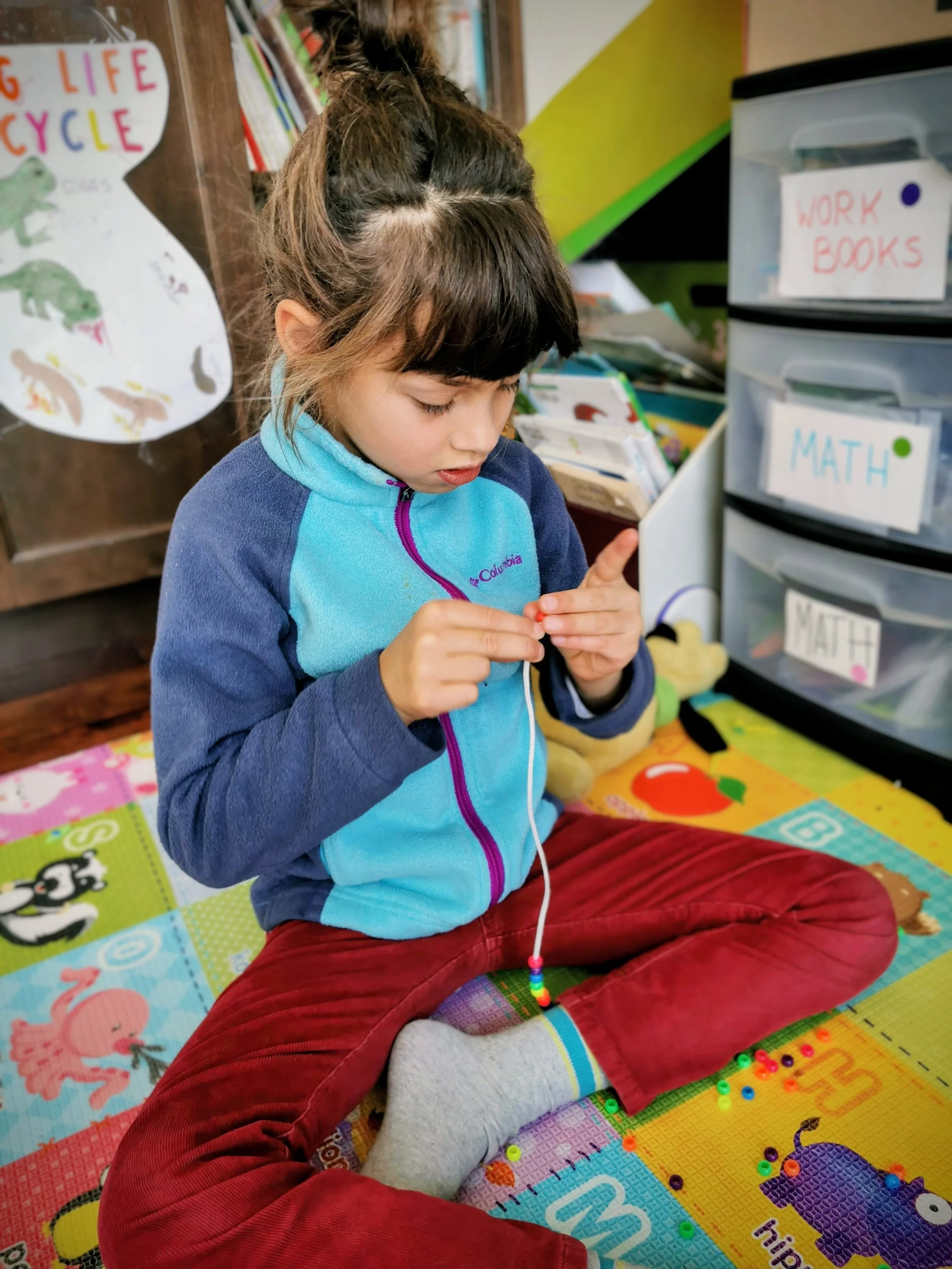
Sorting beads, buttons, or small objects to improve finger dexterity (develops fine tactile discrimination)
Tactile games with sand, rice, or water (encourages sensory processing while practicing control and coordination)
Climbing, swinging, or balancing on playground equipment (builds gross motor skills and vestibular/proprioceptive awareness)
Incorporate Your Child’s Interests
Tailor activities to your child’s likes to make practice fun, motivating, and naturally repetitive:
If your child loves animals, cut out shapes or stack “animal blocks”
If they enjoy vehicles, push toy cars along tracks to work on coordination
Engagement reduces frustration and naturally encourages repetition, which is critical for children whose brains store new motor skills more slowly.
Modeling Skills Instead of Explaining
Children often learn best by watching and imitating, especially when movements are challenging:
Demonstrate each action slowly and clearly — stacking blocks, holding a pencil, or pouring water — so your child can observe and imitate
Offer hand-over-hand support to give tactile feedback, helping their brain connect what they see with how it feels
Celebrate every small success, like gripping a pencil longer or stacking one more block, to reinforce confidence and motivation
Make demonstrations playful. For example, when practicing writing, say: “Let’s move the pencil as slowly as a snail!” or exaggerate a motion slightly. This helps your child focus, relax, and enjoy the task instead of feeling stressed.
Patience and Repetition: The Foundation of Skill-Building
Motor skills and coordination do not develop automatically for many neurodivergent children. Every movement — holding a crayon, stacking a block, or using a spoon — requires repeated practice so the brain can store it correctly.
Builds muscle memory: Repetition helps movements become automatic
Reduces frustration: Small, manageable steps prevent overwhelm
Strengthens confidence: Immediate praise for tiny wins motivates your child
Supports sensory integration: Repetition combined with tactile, visual, and vestibular input helps the brain process both movement and sensation together
The Densing Teaching Method emphasizes slow, consistent, playful practice. With your guidance, patience, and encouragement, children gradually gain the coordination, motor control, and confidence they need to succeed in everyday tasks.
For parents looking for hundreds of creative ways to practice sensory, fine and gross motor skills, the book Sensory, Fine Motor & Gross Motor Skills→ offers playful activities designed to engage children while incorporating their interests. These activities help children gradually build strength, coordination, and confidence — all while making practice fun and motivating.
Every Child Is Different: Finding What Works Best
Each child responds differently. Some need visual cues, others respond best to hands-on play or repetition. Observing your child and experimenting with strategies helps identify what works without adding stress.
Progress can be gradual, and daily improvements may be hard to see. But over time, small wins add up: smoother handwriting, better self-care, increased confidence, or safer playground coordination. Every step forward is a victory.
Conclusion
Struggles with fine motor skills, coordination, movement, and sensory challenges are common for children with ADHD, autism, developmental delays, Down syndrome, or other neurodivergent differences. With structured support, playful practice, and patience, children can gradually gain control, confidence, and independence.
Like someone learning to move their hand, write, or walk after a stroke, your child’s brain can store skills over time, turning effort into mastery and frustration into success. Every small improvement is progress — and your guidance, encouragement, and creativity make it possible.