

Special Needs Homeschooling for SEN, SEND & Neurodivergent Children
Practical, flexible homeschooling support for children with ADHD, autism, dyslexia, developmental differences, and other special educational needs. Find routines, hands-on learning strategies, free checklists, and resources you can adapt to your child.
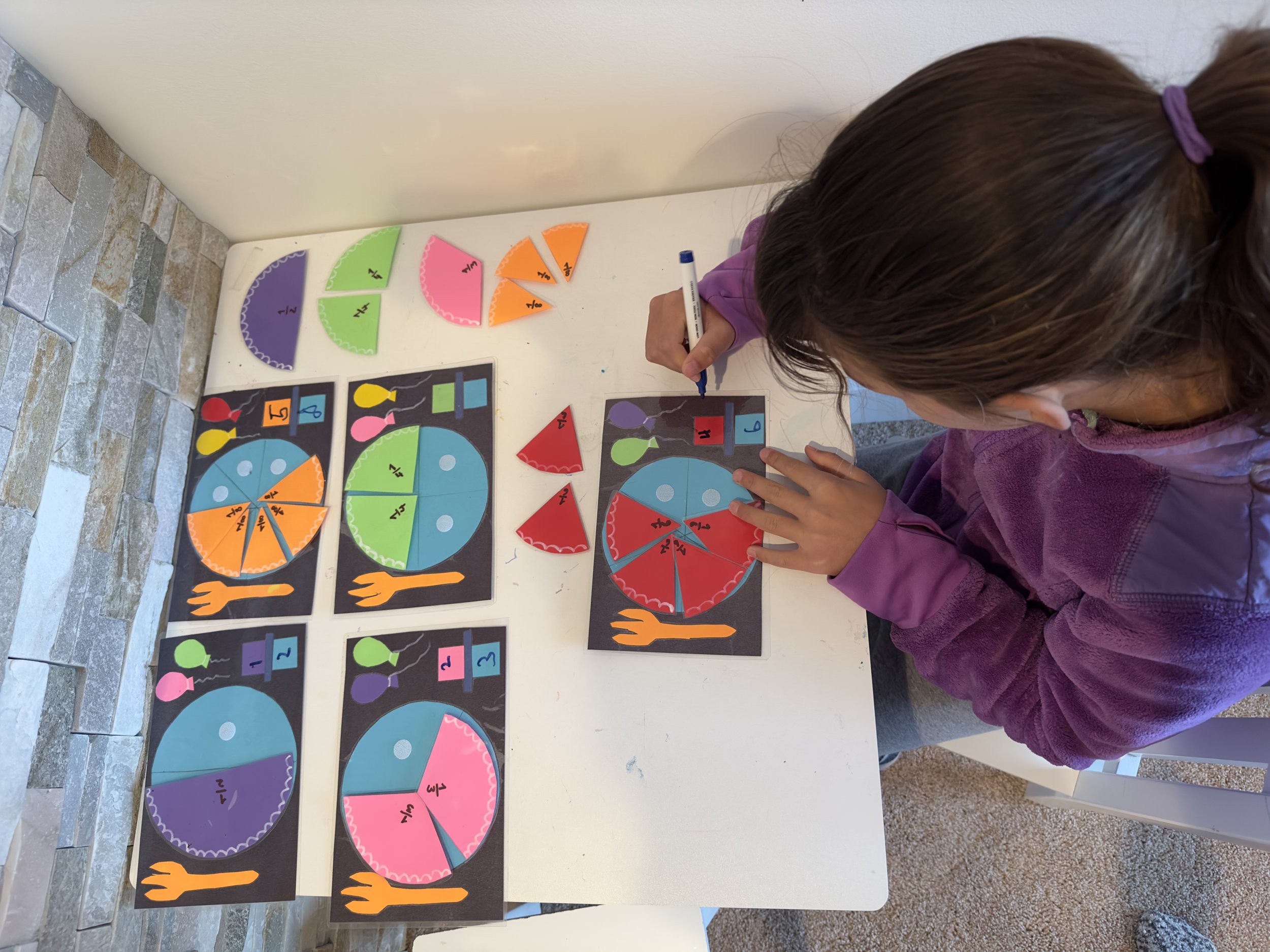
Homeschooling a child with special educational needs can look very different from homeschooling a child who learns easily through traditional lessons.
Your child may need more time, shorter lessons, visual support, movement, repetition, hands-on activities, or a completely different way of approaching reading, writing, math, communication, and everyday skills.
In the United States, you may hear this described as special needs homeschooling or homeschooling a child with learning differences. In the UK, parents are more likely to encounter the terms SEN (Special Educational Needs) and SEND (Special Educational Needs and Disabilities).
Whatever terminology you use, the goal is the same:
Build learning around the child rather than forcing the child to fit one rigid curriculum.
This page will help you find practical ways to do that, including flexible routines, individualized teaching strategies, free checklists, hands-on learning resources, and guidance for children with ADHD, autism, dyslexia, executive functioning difficulties, sensory needs, developmental differences, and other learning needs.
Autism Support
ADHD Support
Dyslexia Support
View all Free Checklists
Where to Start with Homeschooling
Starting can feel overwhelming—especially if your child struggles with focus, learning, or traditional school settings.
You don’t need to recreate a full school day.
Start simple:
include manageable reading, writing, and math sessions each day to reinforce key skills
repeat activities over multiple days to build confidence and long-term retention
combine subjects where possible (for example, reading and writing together)
connect learning to your child’s interests and everyday experiences
use engaging, practical activities to support understanding
give clear, simple instructions
build consistent daily routines
take breaks between learning blocks
The goal is not to do everything perfectly—it’s to build consistency.
Small, consistent steps over time lead to real progress.
Do You Need to Follow a Specific Homeschool Curriculum?
Homeschooling requirements depend on where you live, so it is important to check the current rules for your country, state, or local authority.
You may have considerable flexibility in how you teach your child, but requirements around subjects, recordkeeping, assessments, registration, or educational provision can vary.
For children with SEN, SEND, learning differences, developmental delays, or additional support needs, that flexibility can be especially valuable.
Instead of forcing your child through one rigid program, you can often adapt the learning approach around how they understand, process, and engage with information.
This may include:
breaking reading, writing, and math into smaller steps
adjusting the pace to reduce overwhelm
using visual and hands-on materials
repeating skills as often as needed
building lessons around your child’s strengths and interests
allowing more time for communication, executive functioning, sensory, or motor needs
Once you understand the homeschooling requirements where you live, you can focus on building a learning approach that is both appropriate and accessible for your child.
If you are looking for help with that, you may also find my Special Needs (SEN & SEND) Homeschooling Curriculum Guide → useful.
Why Homeschooling Can Feel Hard at First — and What Helps
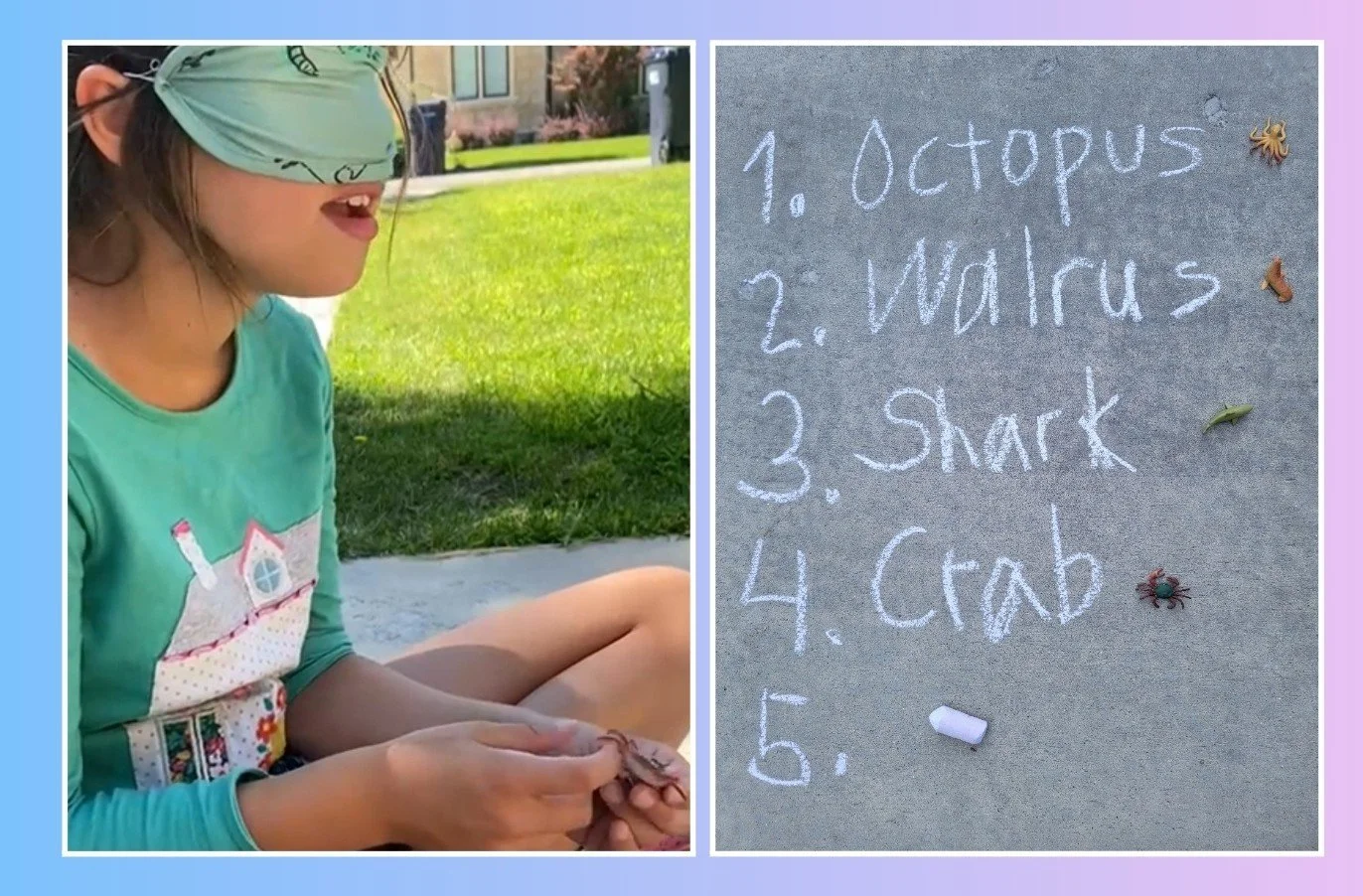
Homeschooling a child with ADHD, autism, or learning differences can feel overwhelming at the beginning.
You might feel like:
nothing is working
your child won’t focus
simple tasks turn into frustration
you’re constantly questioning if you’re doing it right
You’re not alone—and you’re not doing anything wrong.
Why This Happens
Most traditional learning methods are built for children who can:
sit still for long periods
process information quickly
learn through listening and repetition
But many children with learning differences:
need movement and interaction
process information differently
require more time and repetition
When you try to follow a traditional approach, it often leads to stress—for both you and your child.
A More Flexible Approach Can Help
Progress begins when learning matches how your child:
thinks
processes
engages with the world
Instead of forcing your child into a system that doesn’t fit, you can adapt learning to support their strengths.
Practical Homeschooling Strategies for Children Who Learn Differently
-
Start by observing how your child learns best and what naturally interests them. Some children learn better through movement, others through visuals or hands-on activities.
When you build learning around your child’s interests—whether it’s art, nature, or building—you increase engagement and reduce resistance.
Keep your approach flexible. Adjust the pace, break learning into smaller steps, and allow your child time to explore and understand.
👉 For structured, hands-on learning ideas, explore the Densing Method books and video examples →
-
Start by lowering the pressure and focusing on small, achievable steps.
Many children with ADHD, autism, or learning differences become frustrated when tasks feel too difficult, too long, or unclear. When frustration builds, learning stops.
You can support your child by:
Breaking tasks into small steps: One step at a time feels manageable
Using hands-on and visual activities: Moving, building, or seeing makes learning easier to understand
Following your child’s interests: Learning becomes more engaging when it connects to what they enjoy
Keeping expectations flexible: Adjust based on your child’s energy, mood, and focus
Offering encouragement often: Small wins build confidence and motivation
If your child becomes overwhelmed, pause and reset. A short break or change in activity can help them return with a clearer mindset.
Engagement grows when children feel capable, understood, and supported—not pressured.
For additional support with focus, emotional regulation, and daily routines, you can explore the Executive Functioning & Expressing Feelings book from the Densing Teaching Method series →
-
Start by understanding that refusal is often a signal—not defiance.
Many children with ADHD, autism, or other learning differences avoid tasks because they feel overwhelmed, confused, or unsure how to begin. When something feels too difficult or frustrating, saying “no” is often their way of coping.
You can support your child by:
Reducing the demand: Start with a very small, manageable step so your child can experience success
Joining them first: Sit with your child and begin the activity together before expecting independence
Modeling the activity like a game: Show what to do first, then invite your child to copy you in a playful, low-pressure way
Letting your child be the teacher: Ask them to show you how something works or help you figure it out. This builds confidence and encourages participation
Making it hands-on and active: Use movement, visuals, or interactive materials to make learning easier to engage with
Offering simple choices: Let your child choose between two options to give them a sense of control
Keeping a calm tone: Pressure, urgency, or frustration can increase resistance
If your child continues to resist, it’s okay to pause and come back later. Forcing participation often leads to more frustration and less learning.
Over time, as your child begins to feel more capable, understood, and supported, their willingness to participate will grow.
For additional support with focus, emotional regulation, and building participation, you can explore the Executive Functioning & Expressing Feelings book from the Densing Teaching Method series →
-
Start with a short period your child can manage successfully. For some children, that may initially be only a few minutes
Many children with ADHD, autism, or other learning differences need time to build attention gradually. Long sessions can quickly lead to frustration, avoidance, or overwhelm.
Short, successful learning periods help your child feel capable and engaged. Over time, you can slowly increase the length as their focus improves.
It also helps to include regular movement breaks between activities. This allows your child to reset, stay regulated, and return to learning with better focus.
Consistency matters more than duration. Small, repeated efforts lead to real progress.
-
Keep your schedule simple, visual, and flexible.
Make it visual: Use pictures or colors so your child can easily follow the day
Break tasks into small steps: Short tasks reduce overwhelm
Include movement and breaks: Keep learning periods short and manageable, and adjust based on your child’s needs. Adding movement between activities helps your child reset and stay engaged.
Turn learning into a game: Add movement—have your child run to find pieces, match answers, or collect items for reading, writing, or math activities
Give your child ownership: Let them check off completed tasks
Adjust regularly: Change the schedule based on what works
A flexible, movement-based routine helps your child stay engaged while building focus over time.
👉 Explore hands-on learning ideas with the Densing Method →
-
Focus on simple, hands-on materials that match your child’s interests and involve them in the process.
Start simple: Use flashcards, visuals, sorting activities, or small hands-on projects
Follow your child’s interests: Build materials around what they already enjoy (animals, cars, art, nature, etc.)
Create together: Let your child draw, cut, choose colors, or help design the activity
Keep it active: Turn materials into movement-based learning (matching, collecting, building, or assembling)
Focus on connection, not perfection: The goal is engagement and understanding—not perfect materials
When children help create their own learning tools, the activity can feel more personal, engaging, and meaningful.
Show your child how to use the materials step by step and keep them visible so they can return to them independently throughout the day.
👉 Explore hands-on learning ideas with the Densing Method →
Learning doesn’t have to look the same for every child.
When you adjust how you teach instead of forcing your child to adapt, learning becomes more manageable, less frustrating, and more meaningful over time.
Progress may be slow. It may look different.
But with the right support, it happens.
Explore Support by Learning Area
If your child needs more support in a particular area, you can explore resources designed to make learning more visual, hands-on, structured, and adaptable.
Reading 🦊📚
For children who need extra support with reading, or language development:
Densing Method: Reading, Writing & Speech and Language Development →
This book includes practical, hands-on activities that can be adapted to your child’s individual abilities, interests, and support needs.
Explore the Reading Workbook →
The reading workbook uses visual supports, repeated words, colored syllables, and structured practice to support children who find learning to read difficult.
Explore the Little Fox & Gorilla Picture Book Series →
The Little Fox & Gorilla stories combine reading with interactive adventures, questions, problem-solving, and early learning activities so children can participate in the story. Alternating text colors help children visually track the words more easily and may make it easier to keep their place while reading.
Explore The Dreamy Witch with Hooves – Zolita Series →
The Dreamy Witch with Hooves – Zolita series offers another visually supportive option for early and struggling readers. The books use short, accessible text, illustrations, and alternating text colors to make the words easier to visually follow while children enjoy the story.
Handwriting 🌈✏️
If handwriting, letter formation, fine motor control, or getting ideas onto paper is difficult:
Densing Method: Reading, Writing & Speech and Language Development →
The activities can be adapted to help children build writing skills gradually while reducing the amount of pressure placed on written work.
Explore the Handwriting Workbooks →
These workbooks use visual guidance, tracing, structured practice, and engaging activities to support handwriting and early writing skills.
Math 🚀🎲
For children who need math to be more concrete, visual, or broken into smaller steps:
This book includes hands-on math activities that use real objects, visual models, games, and practical situations to help children understand mathematical concepts.
Explore the Visual Math Workbooks →
These workbooks use color coding, visual supports, helper boxes, and step-by-step examples for skills such as addition, subtraction, multiplication, and division.
Executive Functioning, Routines & Independence 🧩💡
If your child struggles with starting tasks, remembering steps, organizing activities, transitions, or daily routines:
Densing Method: Executive Functioning & Expressing Feelings →
The book includes practical activities for executive functioning, routines, recognizing and expressing feelings, and building greater independence.
Explore the Free Executive Functioning Checklist →
You can use the checklist to notice patterns in areas such as task initiation, working memory, organization, attention, time management, and transitions.
Not Sure Where to Start? 📋📚
If your child has difficulties in several areas or you are still trying to understand what may be getting in the way of learning:
Explore the Free Neurodivergent Child Checklists →
You can also explore:
Densing Method: Hands-On Learning Adventures Book Series →
for individualized learning ideas across reading, writing, language, math, executive functioning, sensory and motor skills, science, geography, and everyday life skills.