

Free Dyslexia Checklist for Children
Signs, Reading & Spelling Challenges, and Support Strategies
Is Your Child Struggling with Reading, Spelling, or Recognizing Words?
Something feels off — but it’s hard to explain.
Maybe your child:
has trouble sounding out words
reads slowly or avoids reading altogether
struggles to remember spelling or sight words
mixes up letters or loses their place while reading
gets frustrated, even with simple texts
If that sounds familiar, you’re not alone.
It’s not about effort — and it’s not a lack of ability.
This page will help you recognize common signs of dyslexia in children, understand what these challenges can look like in everyday situations, and find simple ways to support your child step by step.
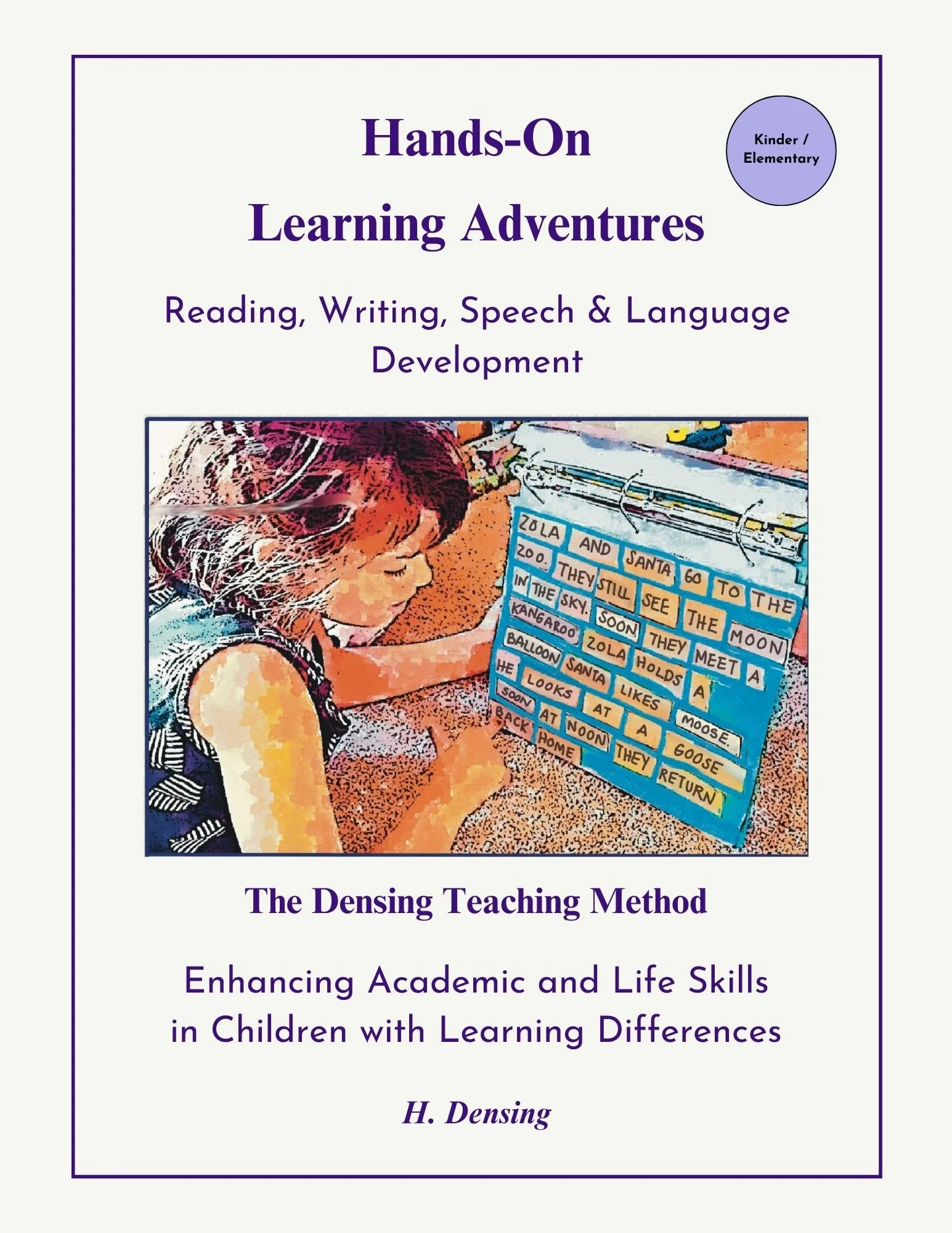
Looking for a hands-on way to support reading, writing, and language skills?
If your child struggles with reading, spelling, handwriting, or getting words onto paper, the Densing Method offers step-by-step support through structured, visual, and hands-on learning.
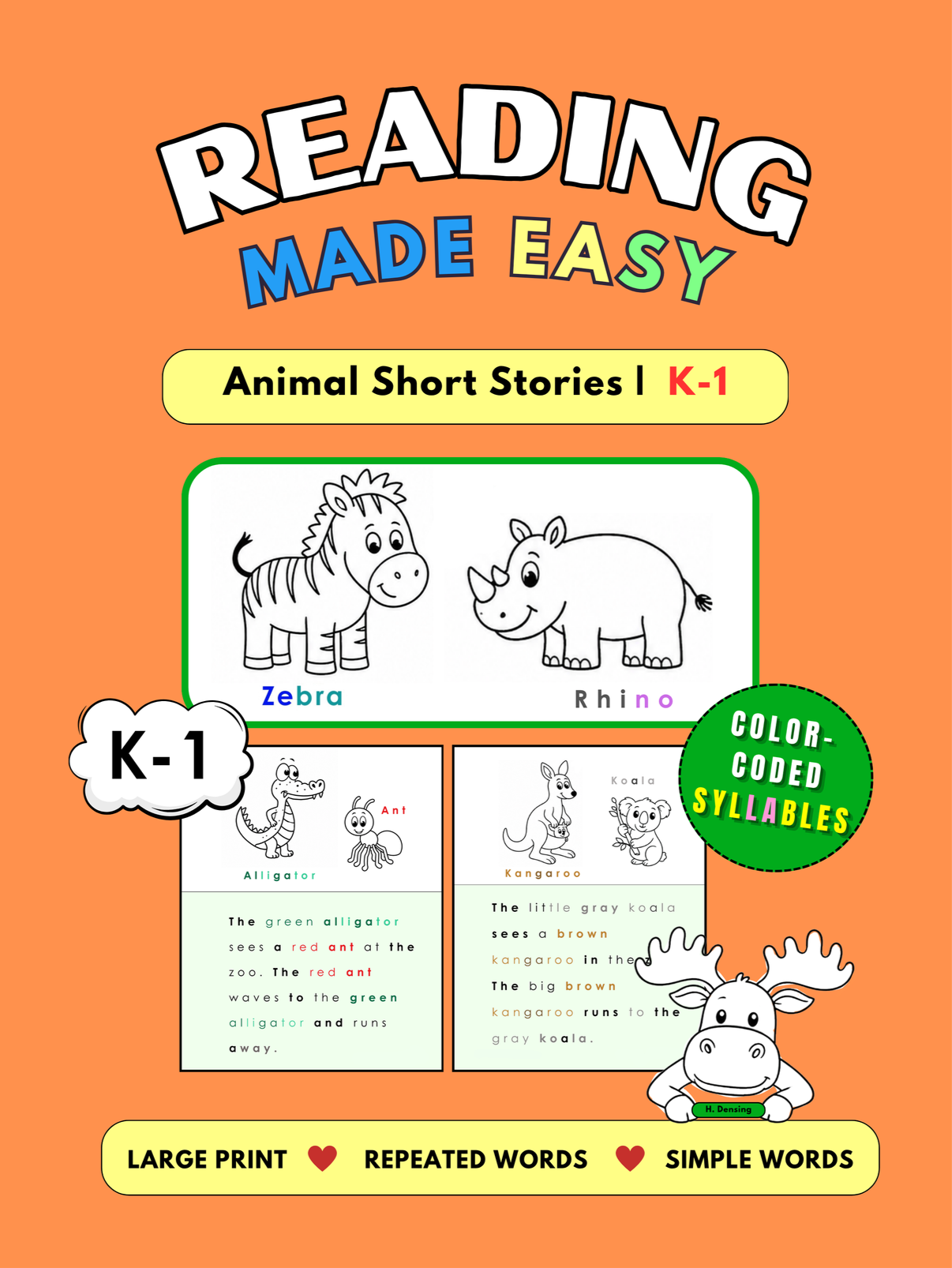
Looking for a workbook to support early reading skills?
This workbook uses colored syllables, repeated words, and cut-out activities to help children practice reading in a more visual and structured way. It is designed to make word recognition, decoding, and reading practice feel less overwhelming.
Picture Books for Early Readers
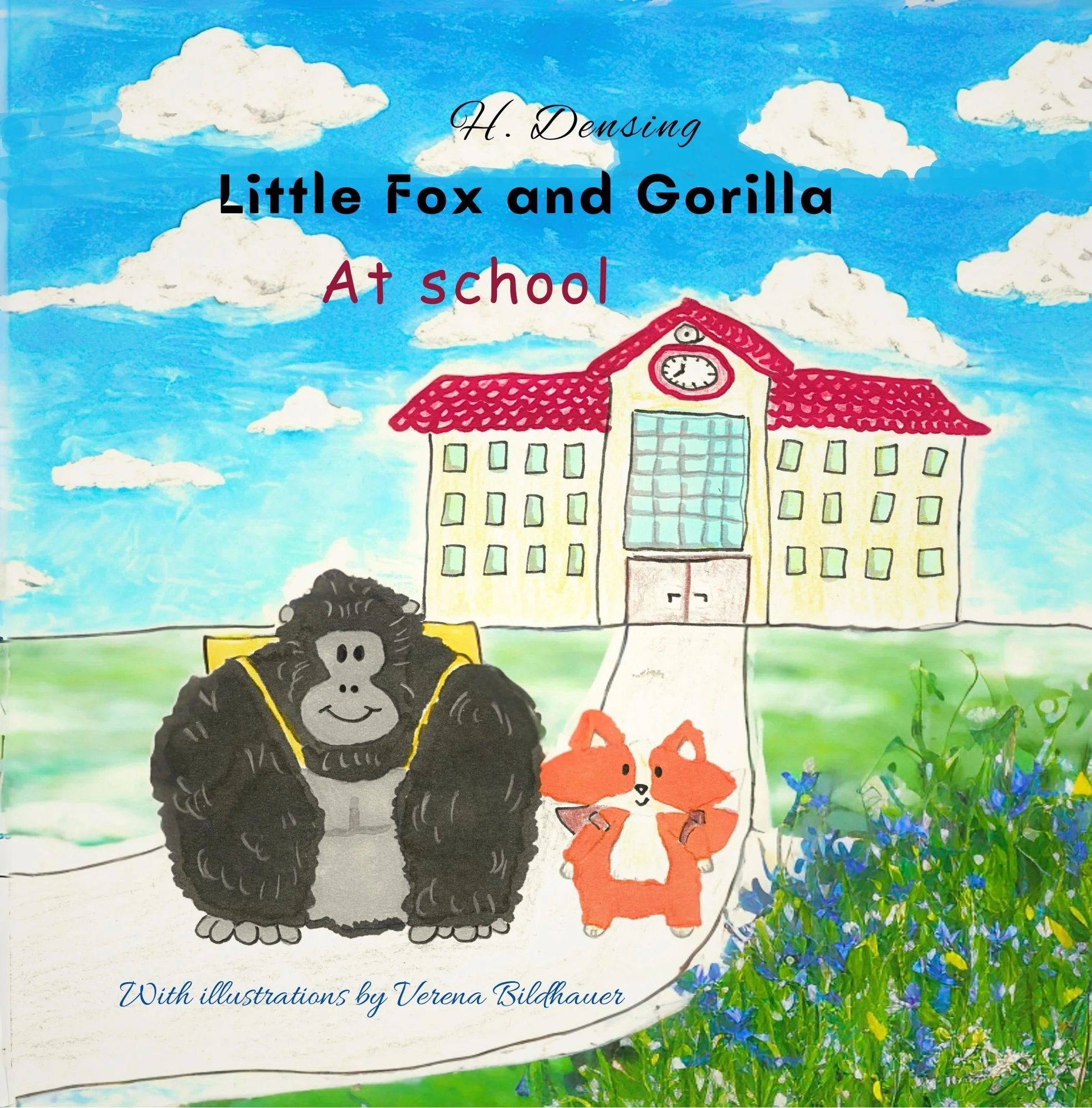
Looking for storybooks that support early readers in a more visual way?
This picture book series uses alternating text colors to help children track words and follow along while reading. The stories are designed to feel fun, gentle, and easier to read for children who may need extra support with reading confidence.
View the Fox and Gorilla picture book series →
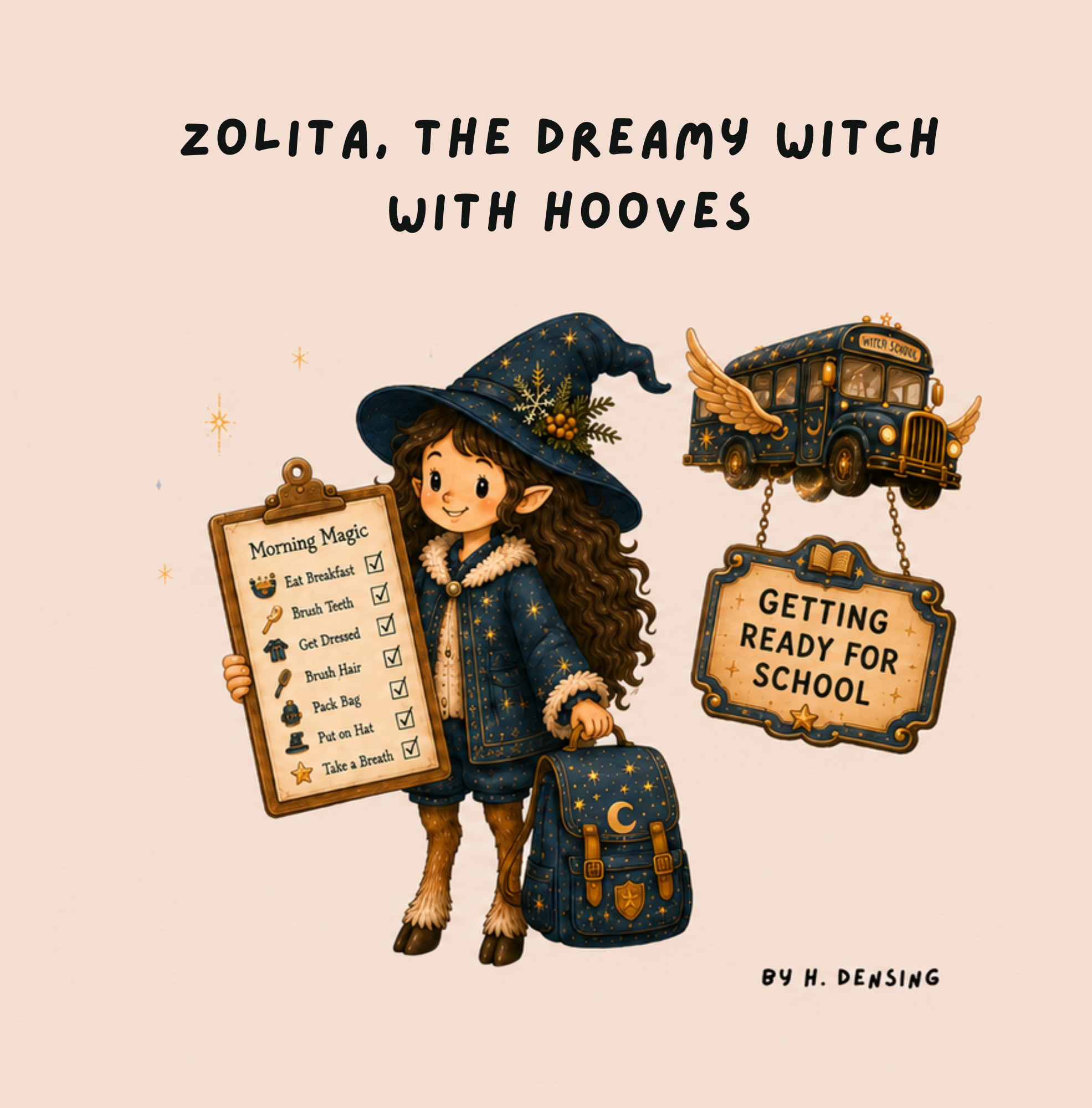
Other supportive stories, including the Dreamy Witch with Hooves series →, are also available.
Explore more checklists:
What is Dyslexia?
Dyslexia is a common difference in how the brain processes written language.
Children with dyslexia don’t struggle because they aren’t trying—they often struggle because reading, spelling, and recognizing words don’t come automatically.
They may need more time, clearer steps, and different ways of learning to understand what others pick up more easily.
It’s not a lack of intelligence or effort—just a different way of processing language.
Signs of Dyslexia in Children
Children with dyslexia may show some of the following signs:
difficulty recognizing letters or familiar words
trouble sounding out new words
slow or effortful reading
frequent spelling mistakes
confusion with sequences (alphabet, days of the week)
loses their place while reading (skips lines or needs help keeping track of words)
avoiding reading or becoming easily frustrated
Not every child will show all of these signs—but patterns over time can give you important clues.
Reading skills can develop at different speeds, and some children simply need more time and support. But if these challenges persist or start to affect confidence and daily learning, it may be worth taking a closer look.
How to Support Your Child
break reading into small, manageable steps
use visual and hands-on support
focus on one skill at a time
allow extra time and reduce pressure
build confidence through small successes
use color-coded words or syllables to make patterns easier to see
try a slightly darker or tinted background to reduce visual strain and improve focus
Structured, step-by-step approaches often make a big difference—especially when they match your child’s pace and interests.
Some parents find it helpful to use structured materials that guide these steps more clearly and make reading feel more visual, predictable, and easier to follow.
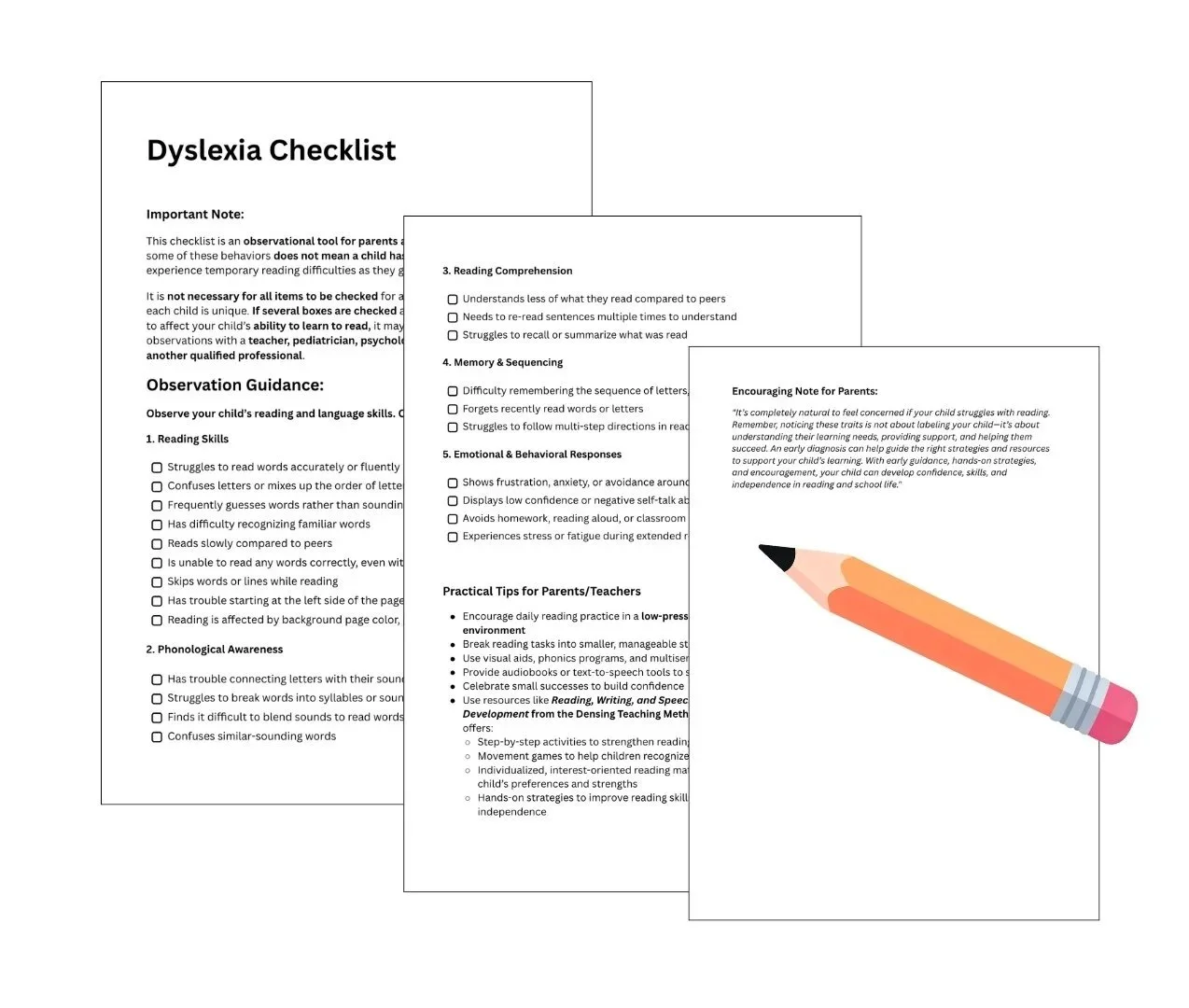
Free Dyslexia Checklist
If you’re noticing some of these signs, this checklist can help you:
track reading and spelling challenges
recognize patterns over time
identify what helps your child most
Dyslexia Questions Parents Often Ask
If your child struggles with reading, spelling, writing, or reading confidence, these questions can help you understand what may be going on and what support may help at home or school.
-
Some children struggle with reading even after lots of practice because reading uses many skills at the same time. A child has to recognize letters, connect sounds to letters, blend sounds together, remember words, understand what they read, and stay focused long enough to keep going.
If one of those skills is difficult, reading can feel slow, tiring, or frustrating. A child may guess words, skip words, mix up sounds, forget words they just read, or avoid reading altogether.
This does not mean the child is not trying. Some children need reading practice that is more structured, visual, repetitive, and broken into smaller steps. They may need extra support with phonics, decoding, spelling patterns, sight words, or reading fluency.
Helpful supports can include short daily reading practice, repeated words, colored syllables, sound-by-sound practice, reading out loud with an adult, and books that feel manageable instead of overwhelming.
If your child needs more visual and hands-on reading support, these resources may help:
Reading Made Easy Workbook → for practice with colored syllables, repeated words, and cut-out activities
Densing Teaching Method book → for structured support with reading, writing, and language development
Picture books for early readers → for visual reading support with alternating text colors (Witches → or Animals →)
Personal note:
When teachers told me that my daughter might not be able to read, I started creating our own materials, children’s books, and workbooks to help her learn in a way that made sense to her. I used her interests, bigger fonts, visual support, repeated words, and more hands-on practice to make reading feel less overwhelming. That experience is one of the reasons I now create resources for children who need a different way to learn. -
Yes. Dyslexia can affect spelling and writing, not just reading. Many children with dyslexia have trouble connecting sounds to letters, remembering spelling patterns, and writing words correctly.
You may notice frequent spelling mistakes, skipped letters, reversed letters, missing words, poor punctuation, or written work that takes much longer than expected. Some children also avoid writing because it feels slow, frustrating, or embarrassing.
Reading, spelling, and writing are closely connected. When decoding and spelling are difficult, written work can become harder too.
Helpful supports can include phonics practice, word banks, sentence starters, repeated words, colored syllables, spelling patterns, graphic organizers, typing, and short writing tasks broken into smaller steps.
A free dyslexia observation checklist → can help you notice reading, spelling, and writing patterns over time. It is not a diagnosis, but it can help you organize your concerns before talking with your child’s teacher, pediatrician, or school support team.
If handwriting, spacing, or written work are also a concern, you may also want to look at the free dysgraphia checklist →.
Personal note:
I have seen that reading and writing struggles often show up together. A child may know exactly what they want to say, but spelling and writing can make it hard to get those ideas onto paper. This is why I believe children need support that looks at the whole picture: reading, spelling, writing, and confidence. -
Yes. Children with dyslexia can become more confident readers with the right support, patience, and practice. Dyslexia can make reading harder, but it does not mean a child cannot learn, improve, or enjoy books.
Many children with dyslexia need reading instruction that is structured, repeated, visual, and broken into smaller steps. They may need extra practice with letter sounds, blending, syllables, spelling patterns, sight words, and reading fluency.
Confidence also matters. If a child has struggled with reading for a long time, they may feel embarrassed, frustrated, or afraid to make mistakes. Choosing books that match their level, using larger fonts, reading together, and celebrating small progress can help reading feel safer and less overwhelming.
Helpful supports can include short daily reading practice, audiobooks, repeated reading, colored syllables, hands-on activities, phonics practice, and books based on the child’s interests.
The goal is not to rush the child. The goal is to help them build skills step by step while also protecting their confidence.
Personal note:
I have seen how much confidence can change when reading feels more possible for a child. With my daughter, using her interests, bigger fonts, visual support, and repeated practice helped reading feel less scary and more manageable. Small wins mattered because they helped her believe she could keep going. -
Colored syllables and repeated words can be helpful for some children because they make reading more visual, structured, and predictable. They can help a child notice word parts, practice sounds, and build confidence through repetition.
Colored syllables may help children see how longer words can be broken into smaller parts. This can make decoding feel less overwhelming. Repeated words can also help because children get more chances to recognize, read, and remember the same words in context.
These supports do not replace strong reading instruction, but they can make practice easier to follow. Children who struggle with reading often need clear patterns, repeated exposure, and short practice that feels manageable.
Helpful reading practice can include colored syllables, repeated words, phonics practice, sound-by-sound blending, sight word review, larger fonts, and books that match the child’s current reading level.
Personal note:
I used colored syllables, repeated words, bigger fonts, and visual support when creating reading materials for my daughter and children in SPED classrooms. They all did better when the words felt less crowded and when they could see patterns more clearly. Repetition also helped them feel more confident because the words started to feel familiar instead of new every time. -
Children with dyslexia often need reading support that is calm, structured, and consistent. At home, it can help to keep practice short and focused instead of making reading feel long or stressful.
Helpful supports can include reading out loud together, practicing letter sounds, breaking words into smaller parts, using repeated words, reviewing spelling patterns, and choosing books that match your child’s current reading level. Visual supports like larger fonts, colored syllables, and simple word cards can also make reading feel easier to follow.
It can also help to use your child’s interests. A child may be more willing to practice reading when the words, stories, or activities connect to something they already enjoy.
Try to celebrate small progress. For a child with dyslexia, reading may take more effort than it does for other children. Encouragement, patience, and the right tools can help protect your child’s confidence while they build skills.
Personal note:
At home and SPED classrooms, I saw that students did better when reading practice was visual, short, and connected to their interests. Bigger fonts, repeated words, colored syllables, and hands-on activities helped make reading feel less overwhelming. Small steps made a bigger difference than pushing through long reading sessions. -
You may want to ask about a dyslexia evaluation if your child continues to struggle with reading, spelling, or sounding out words even after extra practice and support. It is especially worth asking for help if reading feels much harder for your child than it does for other children their age or grade level.
Some signs that it may be time to ask include difficulty learning letter sounds, trouble blending sounds into words, slow or choppy reading, frequent guessing, skipping words, confusing similar-looking letters or words, poor spelling, avoiding reading, or becoming upset during reading practice.
You can start by talking with your child’s teacher, pediatrician, reading specialist, or school support team. An evaluation can help look at reading skills, phonics, spelling, language processing, attention, and other learning needs.
A free dyslexia observation checklist → can also be helpful for noticing patterns over time. It is not a diagnosis, but it can help you organize your concerns before talking with your child’s teacher or support team.
Asking for an evaluation does not mean something is wrong with your child. It can help you understand why reading is hard and what kind of support may help your child move forward.
Personal note:
I believe it is better to ask questions early than to wait until a child feels defeated by reading. I have seen how painful it can be when a child starts to believe they “just can’t read.” The earlier adults notice the pattern and offer the right support, the easier it can be to protect the child’s confidence while building reading skills.
Explore More Neurodivergent Checklists
Every child’s brain is unique, and neurodivergent traits can show up in many different ways. If you want to explore other areas of learning, behavior, and development, these individual checklists can help you observe specific traits and find strategies to support your child:
Neurodivergence Overview – Learn about neurodivergent traits, understand differences in thinking, learning, and behavior, and access a general neurodivergence checklist.
ADHD Checklist for Children – Signs, traits, and practical strategies for attention, focus, and impulse control.
Dyspraxia Checklist for Children – Coordination, motor planning, and daily activity support.
Dyscalculia Checklist for Children – Number sense, math skills, and problem-solving differences.
Dysgraphia Checklist for Children – Handwriting, fine motor, and written expression challenges.
Autism Spectrum Disorder (ASD) Checklist – Social communication, repetitive behaviors, and sensory differences.
Sensory Processing Disorder (SPD) Checklist – Sensory sensitivities, seeking or avoiding input, and self-regulation.
Executive Functioning Checklist for Children – Planning, organization, task completion, and memory support.
Each checklist links to a dedicated page with practical tips and strategies to help children thrive. Tracking behaviors over time can provide useful insights for parents and caregivers and guide discussions with professionals.
Observing Learning and Development Differences: Guidance for Parents
Seeing your child show signs that match one or more of these categories can feel overwhelming, but it does not automatically mean they have a diagnosis. Many behaviors may be part of a temporary developmental phase, while others may reflect a neurodivergent learning style. The key is to keep observing your child, track behaviors using checklists, and consult a pediatrician, psychologist, or specialist for professional guidance. While a diagnosis may initially feel overwhelming, it can be a crucial step in providing your child with the right support.
By focusing on your child’s individual strengths and needs, and using positive reinforcement and structured support, you can help them feel confident, engage fully in learning, and develop skills that will benefit them long-term. Understanding these differences early allows you to provide targeted strategies, and support your child’s growth in both academic and life skills.
Takeaway: Every child is unique, and early observation combined with practical strategies and professional guidance can make a meaningful difference in their development.