

Executive Functioning in Children: Why Your Child Struggles to Focus, Follow Instructions, and Finish Tasks

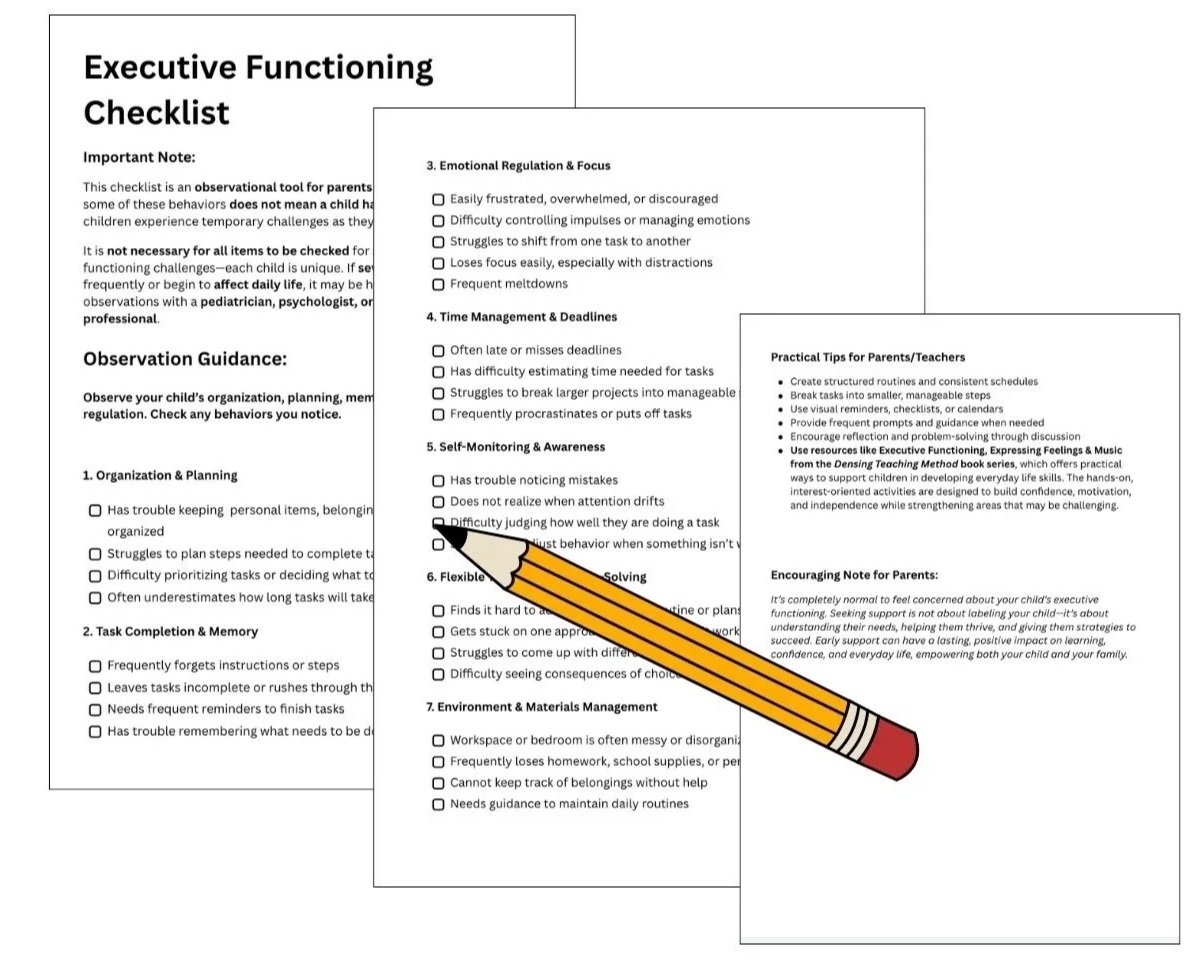
Download the free executive functioning checklist⬇
(Focus, Organization, Task Completion & Time Management)
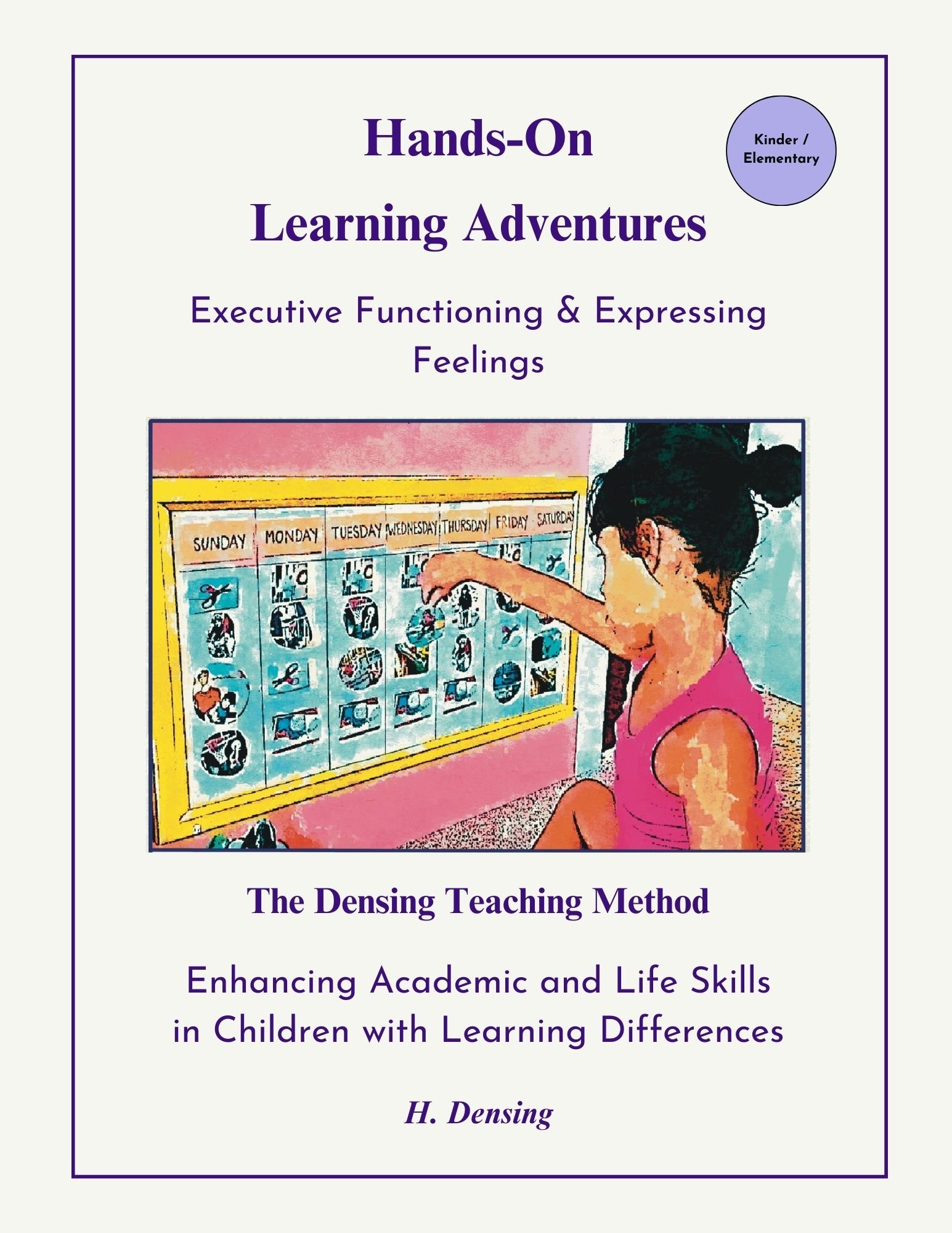
Looking for a hands-on way to support your child with focus, organization, and expressing feelings?
If your child needs more than just understanding, this step-by-step method helps build executive functioning skills through structured, visual, and practical learning.
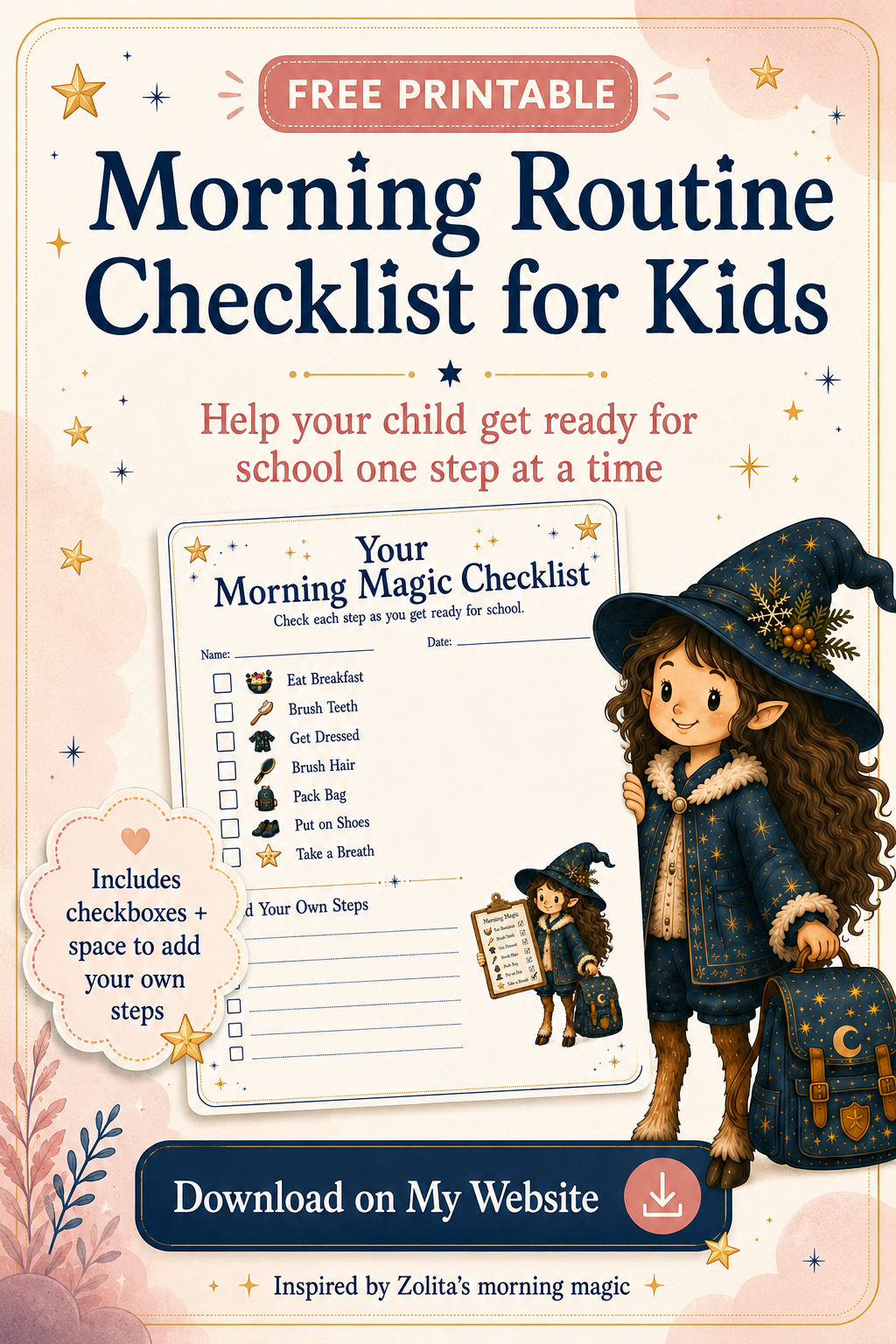
Looking for a gentle way to support morning routines?
You can also find a free printable morning routine checklist for your child, along with children’s picture books that focus on tricky moments like getting ready, staying focused, handling big feelings, and learning how to make the best of things when plans do not go perfectly.
Explore more checklists:
What Are Executive Functioning Challenges?
Executive functioning is what helps your child:
start tasks
stay focused
follow instructions
get things done
Challenges in this area are common in children with ADHD, autism, dyslexia, and other learning differences, but they can also appear without a formal diagnosis.
Executive functioning challenges are not a disorder on their own. They affect how a child manages everyday tasks, learning, and behavior.
Signs of Executive Functioning Challenges in Children
Children with executive functioning challenges may show patterns such as:
difficulty starting or completing tasks independently
trouble organizing materials, assignments, or personal belongings
forgetting instructions or losing track of steps
difficulty managing time or estimating how long tasks will take
trouble deciding where to begin
difficulty transitioning between activities
becoming distracted or overwhelmed by multi-step tasks
needing frequent reminders for routines they already know
struggling to manage impulses or frustration
Not every child will show all of these signs. What matters more is whether the difficulties happen repeatedly and affect everyday life, learning, or independence.
What This May Look Like at Different Ages
In younger children, you may notice repeated reminders for getting dressed, brushing teeth, cleaning up, following simple routines, or moving from one activity to another.
In older children, difficulties may become more noticeable with starting homework, remembering assignments or materials, managing time, organizing larger projects, and completing tasks without repeated reminders.
The same underlying difficulty can look different as a child grows. A younger child who needs help completing a morning routine may later struggle with planning assignments or managing deadlines.
Skills like planning, organizing, remembering, and following through develop over time. But if your child consistently struggles in these areas, the Free Executive Functioning Checklist can help you organize what you are noticing.
How to Support a Child with Executive Functioning Challenges
Supporting executive functioning skills works best when tasks are broken down, structured, and repeated consistently.
Break Tasks Into Small Steps
Focus on one step at a time
Avoid giving multiple instructions at once
Use Visual Support
Use checklists, planners, or simple step-by-step guides
Keep instructions visible and easy to follow
Create Structure and Routine
Keep daily routines consistent
Set clear expectations for tasks and transitions
Practice Skills Together
Work alongside your child
Ask simple guiding questions like “What’s the first step?”
Use Structured, Interest-Based Learning
Keep activities hands-on and visual
Connect tasks to the child’s interests
Use step-by-step approaches (like the Densing Teaching Method Executive Functioning →)
Reinforce Effort and Progress
Acknowledge small steps, not just results
Keep feedback calm and consistent
Looking for Practical Help at Home?
If you already recognize some of these patterns and are wondering what you can actually try during routines, homework, transitions, or getting ready, I share the strategies that helped me support my own daughter in this article:
Executive Functioning Help for Children: Routines, Focus & Everyday Life →
Download the Executive Functioning Checklist
If you’re noticing some of these patterns, this checklist can help you organize what you’re seeing and better understand where your child may need support.
It can be useful for:
tracking behaviors over time
identifying patterns and challenges
preparing for conversations with teachers or professionals
This checklist is not a diagnosis. For a formal evaluation, consult a qualified professional.
Executive Functioning Questions Parents Often Ask
Executive functioning skills help children start tasks, follow directions, stay organized, manage time, and complete schoolwork. These questions can help you understand common struggles and what support may help at home or school.
-
Yes. Executive dysfunction can be connected to ADHD→ or autism→, but they are not the same thing. A child can have executive functioning difficulties without having ADHD or autism, and a child with ADHD or autism may have executive functioning challenges in different ways.
Executive functioning skills help children start tasks, follow directions, stay organized, manage time, control impulses, and shift from one activity to another. When these skills are difficult, everyday tasks can feel overwhelming.
Children with ADHD may struggle with attention, impulse control, task initiation, forgetfulness, and finishing work. Children with autism may struggle more with transitions, flexible thinking, routines, planning, or handling changes. Every child is different, so it is important to look at the child’s actual needs instead of assuming one label explains everything.
Helpful supports can include visual schedules, step-by-step directions, timers, routines, checklists, movement breaks, and breaking large tasks into smaller parts.
If you are also noticing signs of attention struggles, impulsivity, sensory needs, social communication differences, or repeated difficulty with transitions, it may help to talk with your child’s teacher, pediatrician, or school support team.
Personal note:
I have seen children who were bright and capable but struggled because starting tasks, shifting routines, or remembering directions took much more effort than adults realized. In many cases, the child did not need more pressure. They needed clearer steps, more structure, and support that matched how they processed the task.Related resources
If your child struggles with starting tasks, routines, transitions, or expressing feelings, you may also find these resources helpful:
-
Some children struggle to start tasks because getting started uses executive functioning skills. A child has to understand what the task is, know where to begin, remember the steps, manage time, and handle any frustration or worry that comes with the assignment.
This can be especially hard when a task feels too big, too boring, too confusing, or too overwhelming. A child may stare at the paper, avoid the task, ask repeated questions, get distracted, or say “I don’t know what to do” even when they understand the lesson.
This does not always mean the child is lazy or refusing on purpose. Sometimes the first step is the hardest part. The child may need the task broken into smaller pieces, a clear starting point, or help making a simple plan.
Helpful supports can include using a checklist, setting a short timer, giving one direction at a time, showing an example, or saying, “First do this one small part.” Once the child starts, it is often easier for them to keep going.
Personal note:
I have seen children who wanted to do well but froze when a task had too many steps. Starting became easier when the task was made smaller and more visual. Sometimes a simple checklist, first step, or calm reminder helped much more than repeating, “Just get started.” -
Some children forget directions because following multi-step instructions uses working memory and executive functioning skills. Working memory helps a child hold information in mind long enough to use it. When this skill is weak or overloaded, the child may only remember the first step, the last step, or none of the steps clearly.
This can happen even when the child is listening. A direction like “put your folder away, get your pencil, open your notebook, and start question one” may sound simple to an adult, but it can feel like too much information at once for a child who struggles with executive functioning.
You may notice your child asking the same question again, starting the wrong part, skipping steps, getting distracted halfway through, or seeming confused after directions were just explained.
Helpful supports can include giving one step at a time, using visual directions, writing steps down, asking the child to repeat the direction back, using checklists, and keeping routines consistent.
Personal note:
I have seen children who truly wanted to follow directions but lost track when too many steps were given at once. In many cases, they did better when directions were short, visual, and repeated calmly without making the child feel like they were not trying. -
You can help your child with organization by making routines simple, visual, and easy to repeat. Many children with executive functioning difficulties do better when they can see what needs to happen instead of only hearing verbal reminders.
Start with one area at a time. For example, you might create a backpack checklist, a homework folder system, a morning routine chart, or a simple place for shoes, jackets, and school supplies.
Use clear labels, bins, visual reminders, and short checklists. It can also help to build the habit at the same time each day, such as packing the backpack right after homework or choosing clothes before bedtime.
The goal is not to make your child perfectly organized right away. The goal is to create systems that make it easier for them to succeed without constant reminders.
Personal note:
My daughter did much better when I used visible cues like routine charts, picture reminders, labeled bins, and simple checklists. Verbal reminders alone were not enough. When she could see what needed to happen next, it was easier for her to stay organized and move through the routine with less frustration.Many of the materials we created together became part of my Densing Teaching Method: Executive Functioning and Expressing Feelings→ book. In the book, I share tools and activities that were designed to support organization, routines, emotional expression, and everyday executive functioning skills.
-
Yes. Executive functioning difficulties can affect both schoolwork and behavior. These skills help children start tasks, follow directions, stay organized, manage time, control impulses, and finish work. When these skills are hard, school can feel overwhelming.
A child may forget assignments, lose papers, rush through work, avoid starting, have trouble finishing tasks, or struggle to move from one activity to another. They may also become frustrated, shut down, interrupt, argue, or seem distracted when the real issue is that the task feels too hard to manage.
Many children with executive functioning challenges want to do well, but they need more structure, clearer steps, and support that helps them manage the task.
Helpful supports can include visual schedules, checklists, timers, homework folders, movement breaks, shorter directions, and breaking assignments into smaller steps.
Personal note:
I have seen children who were bright and capable but struggled in school because the steps around learning were hard to manage. Sometimes the problem was not understanding the lesson. It was starting the work, staying organized, remembering what to do next, or handling frustration when the task felt overwhelming. -
You may want to ask for help if executive functioning difficulties are affecting your child’s schoolwork, routines, confidence, or daily life. It is especially worth asking for support if your child struggles with the same things again and again, even after reminders and practice.
Some signs that it may be time to ask for help include difficulty starting tasks, frequent meltdowns over routines, forgetting directions, losing school materials, unfinished assignments, poor time management, trouble with transitions, or needing constant adult support to get through daily tasks.
You can start by talking with your child’s teacher, pediatrician, school support team, occupational therapist, or a child psychologist. They can help look at whether the struggles may be connected to ADHD→, autism→, anxiety, learning differences→, sensory needs→, or other support needs.
A free executive functioning checklist for children → can also be helpful as an observation tool. It is not a diagnosis, but it can help you notice patterns, track concerns, and organize what you want to discuss with your child’s teacher or support team.
Asking for help does not mean something is wrong with your child. It can help you understand what is getting in the way and what tools may make daily life easier.
Explore More Neurodivergent Checklists
Every child’s brain is unique, and neurodivergent traits can show up in many different ways. If you want to explore other areas of learning, behavior, and development, these individual checklists can help you observe specific traits and find strategies to support your child:
Neurodivergence Overview – Learn about neurodivergent traits, understand differences in thinking, learning, and behavior, and access a general neurodivergence checklist.
ADHD Checklist for Children – Signs, traits, and practical strategies for attention, focus, and impulse control.
Dyspraxia Checklist for Children – Coordination, motor planning, and daily activity support.
Dysgraphia Checklist for Children – Handwriting, fine motor, and written expression challenges.
Dyslexia Checklist for Children – Reading, decoding, and language-related traits.
Dyscalculia Checklist for Children – Number sense, math skills, and problem-solving differences.
Autism Spectrum Disorder (ASD) Checklist – Social communication, repetitive behaviors, and sensory differences.
Sensory Processing Disorder (SPD) Checklist – Sensory sensitivities, seeking or avoiding input, and self-regulation.
Each checklist links to a dedicated page with practical tips and strategies to help children thrive. Tracking behaviors over time can provide useful insights for parents and caregivers and guide discussions with professionals.
Observing Learning and Development Differences: Guidance for Parents
Seeing your child show signs that match one or more of these categories can feel overwhelming, but it does not automatically mean they have a diagnosis. Many behaviors may be part of a temporary developmental phase, while others may reflect a neurodivergent learning style. The key is to keep observing your child, track behaviors using checklists, and consult a pediatrician, psychologist, or specialist for professional guidance. While a diagnosis may initially feel overwhelming, it can be a crucial step in providing your child with the right support.
By focusing on your child’s individual strengths and needs, and using positive reinforcement and structured support, you can help them feel confident, engage fully in learning, and develop skills that will benefit them long-term. Understanding these differences early allows you to provide targeted strategies, and support your child’s growth in both academic and life skills.
Takeaway: Every child is unique, and early observation combined with practical strategies and professional guidance can make a meaningful difference in their development.