

Child Development & Early Academic Skills (4–7 Years) – Checklist for Parents
Is Your Child Struggling with Early Learning or Development?
Something feels off — but it’s hard to explain.
Maybe your child is in preschool, kindergarten, or early elementary school and struggling with early learning. Reading may feel difficult, numbers may not make sense yet, or your child may seem behind compared to other children their age.
If that sounds familiar — trust that feeling. Early support can make a meaningful difference.
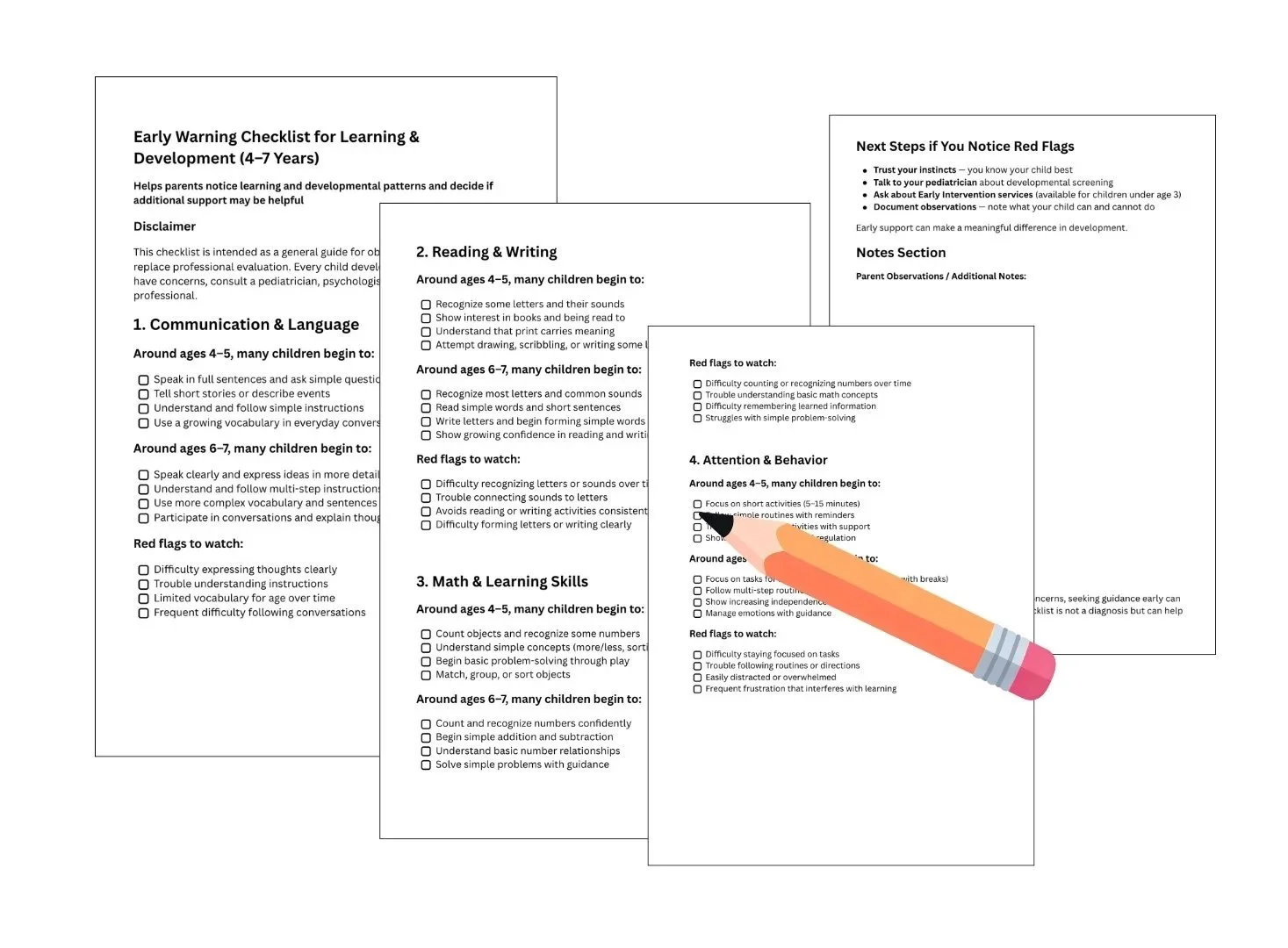
This free developmental and academic milestones checklist for children ages 4–7 helps you identify early signs of learning difficulties in reading, writing, math, attention, and behavior — so you know what to look for and what steps to take next.
⬇ Download the Free Developmental & Academic Checklist (4 – 7 Years)
Not sure what you're looking for? Explore more free checklists:
Common Areas Where Learning Difficulties May Show Up
Learning difficulties can look different from one child to another. Parents may notice challenges in one area or across several areas.
Communication & Language
Difficulty expressing thoughts clearly
Trouble understanding instructions
Limited vocabulary for age over time
Reading & Writing (Early Literacy Skills)
Difficulty recognizing letters or sounds
Trouble connecting sounds to letters
Avoids reading or writing activities
Difficulty forming letters or writing clearly
Math & Learning Skills
Difficulty counting or recognizing numbers
Trouble understanding basic math concepts
Difficulty remembering learned information
Struggles with simple problem-solving
Attention & Behavior
Difficulty staying focused on tasks
Trouble following routines or directions
Easily distracted or overwhelmed
Frequent frustration during learning activities
Signs of Learning Problems by Age
Children develop and learn at different rates. Having difficulty with one skill does not necessarily mean that a child has a learning disability.
It can be more helpful to notice patterns of difficulty that continue over time, affect learning or everyday activities, or continue even after a child has had appropriate opportunities to learn and practice a skill.
The examples below are possible signs parents may notice. They are not a diagnostic or screening checklist.
What Are the Signs of Learning Problems in a 4-Year-Old?
At age 4, children are still developing language, early thinking skills, coordination, attention, and the foundations for later academic learning.
Possible concerns may include:
• Difficulty understanding or following simple directions
• Difficulty expressing thoughts or being understood
• Trouble remembering familiar colors, shapes, or other concepts that have been practiced repeatedly
• Difficulty learning songs, nursery rhymes, or playing with sounds in words
• Difficulty using crayons, pencils, scissors, or other age-appropriate fine motor materials
• Frequently becoming frustrated or avoiding activities that involve learning something new
• Having noticeable difficulty remembering skills or information that have been practiced many times
One difficulty by itself does not necessarily indicate a learning problem. At this age, it is especially important to consider the child's overall development and whether concerns continue over time.
What Are the Signs of Learning Problems in a 5-Year-Old?
Around age 5, children often begin spending more time with early reading, writing, number concepts, and structured learning activities.
Possible concerns may include:
• Difficulty learning or remembering some letter names after repeated exposure
• Difficulty recognizing their own name or writing some of the letters in their name
• Difficulty learning basic counting or recognizing small quantities
• Trouble remembering or following simple directions
• Difficulty recognizing or producing simple rhymes after opportunities to practice
• Difficulty explaining thoughts or retelling something that happened
• Frequently avoiding or becoming very frustrated with early learning activities
Children enter kindergarten with very different experiences and skill levels. A child who has not yet learned a particular academic skill does not automatically have a learning difficulty.
What Are the Signs of Learning Problems in a 6-Year-Old?
At age 6, differences in learning may become easier to notice as children receive more formal instruction.
After a child has had appropriate instruction and opportunities to practice, possible concerns may include:
• Persistent difficulty connecting letters with their sounds
• Trouble sounding out simple words that use patterns the child has been taught
• Difficulty remembering information or skills that have been practiced repeatedly
• Persistent difficulty forming letters or completing writing activities
• Difficulty understanding number concepts or math skills that have already been taught
• Trouble following a short sequence of directions
• Needing significantly more repetition or support than expected to learn familiar material
• Strong frustration or avoidance around reading, writing, math, or other learning activities
The important question is not whether a child learns at exactly the same pace as classmates, but whether difficulties persist despite appropriate teaching, practice, and support.
What Are the Signs of Learning Problems in a 7-Year-Old?
By age 7, children have usually had more exposure to reading, writing, and mathematics, so patterns of difficulty may become more noticeable.
After appropriate instruction and practice, possible concerns may include:
• Reading that remains unusually difficult or effortful for the child
• Persistent difficulty connecting sounds with letters or sounding out unfamiliar words
• Difficulty remembering words, spelling patterns, or other material that has been practiced repeatedly
• Difficulty organizing or expressing ideas in writing
• Persistent difficulty with math concepts that have been taught, such as quantities, number relationships, addition, or subtraction
• Trouble remembering and following several steps in order
• Difficulty organizing materials or completing familiar learning tasks
• Frequent frustration, avoidance, or loss of confidence around schoolwork
A child may have significant difficulty in one area while showing strong skills in another. Looking at the child's individual pattern of strengths and needs can be more useful than focusing on a single skill.
When Should Parents Consider Extra Support?
Consider talking with your child’s preschool teacher, classroom teacher, pediatrician, school team, or another qualified professional if you are concerned about how your child is learning.
It may be especially helpful to ask for guidance when difficulties:
• Continue over time
• Interfere with learning or everyday activities
• Persist despite appropriate instruction, practice, and support
Keeping notes about what your child finds difficult, what seems to help, and how their skills change over time can make conversations with teachers and professionals more useful.
Learning difficulties can have many different causes, and the signs listed here cannot determine whether a child has a learning disability. A professional evaluation may be needed to understand why a child is struggling and what type of support may help.
How to Support Your Child
Break tasks into small, manageable steps
Use repetition and consistent routines
Provide visual support and hands-on learning
Keep instructions clear and simple
Create a structured, calm learning environment
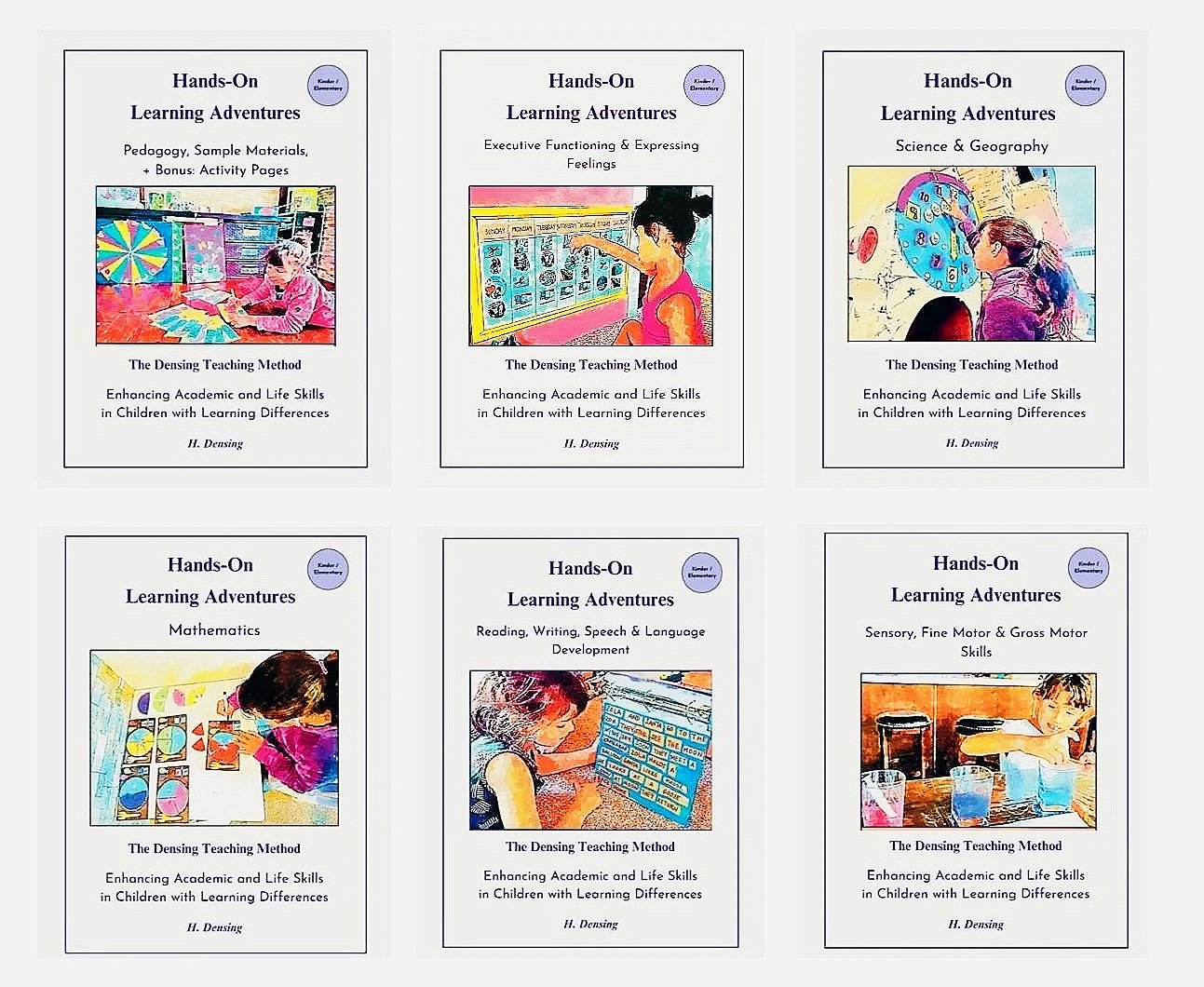
Structured resources like the
Densing Teaching Method book series →
can provide step-by-step activities to support communication, learning, and skill development at home.
Additional Learning Resources
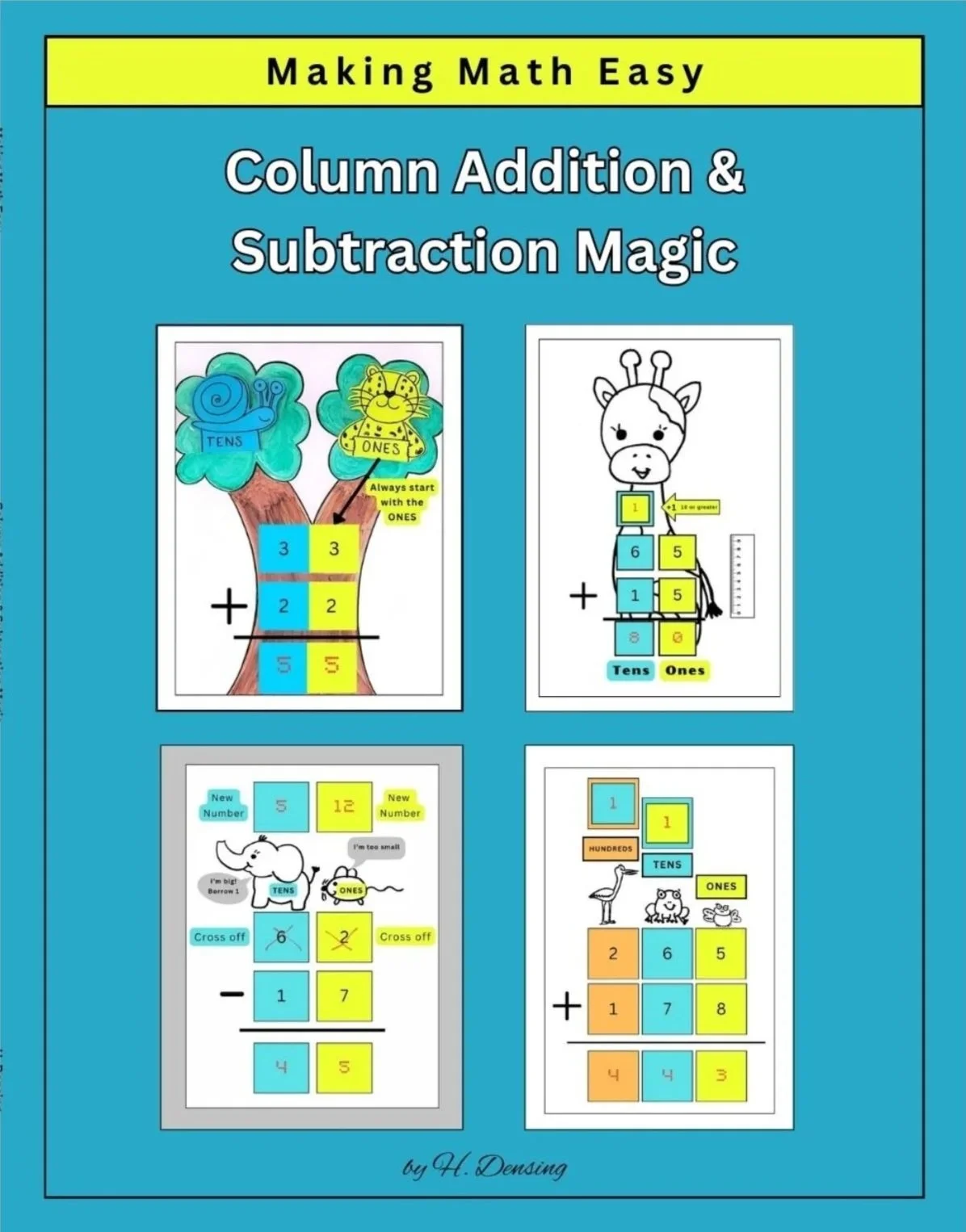
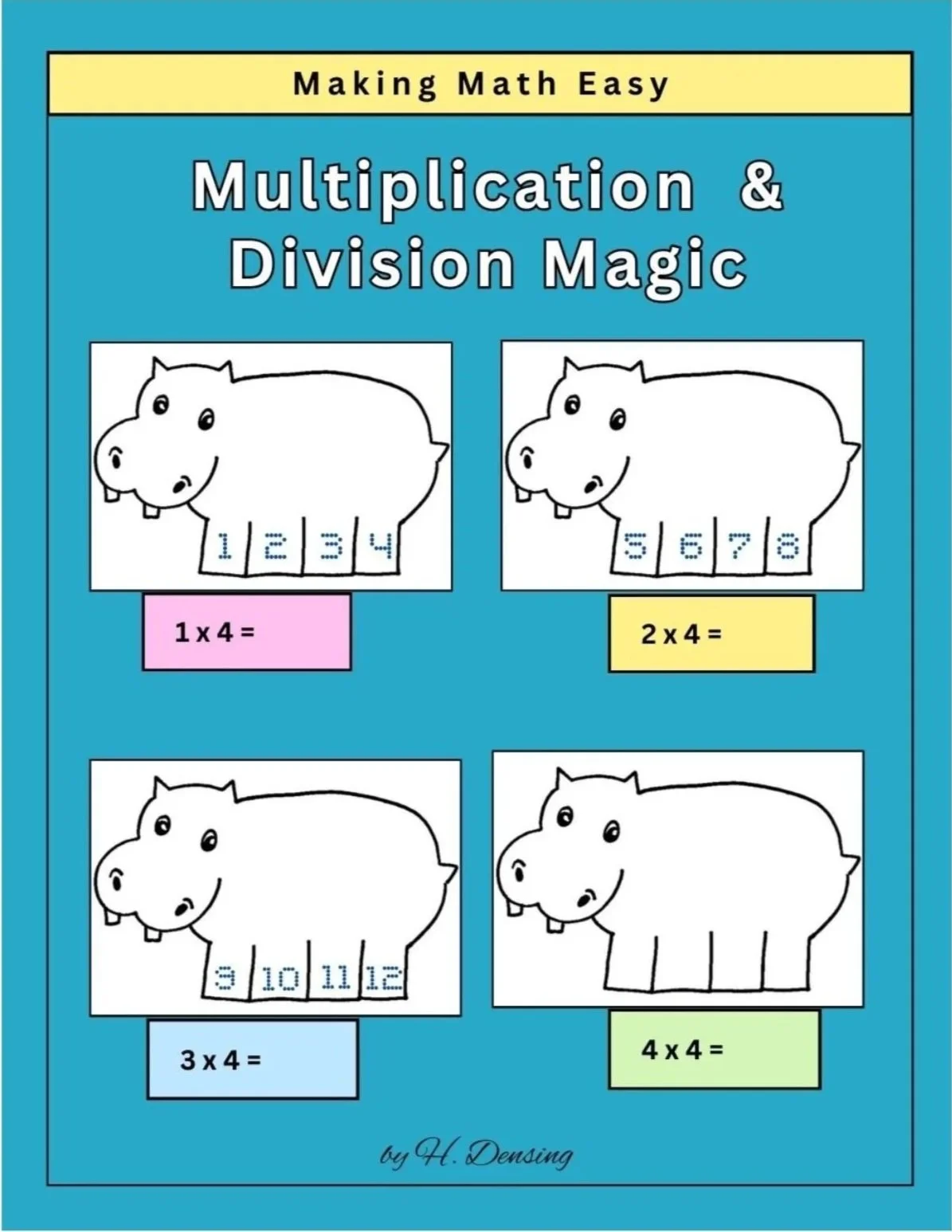
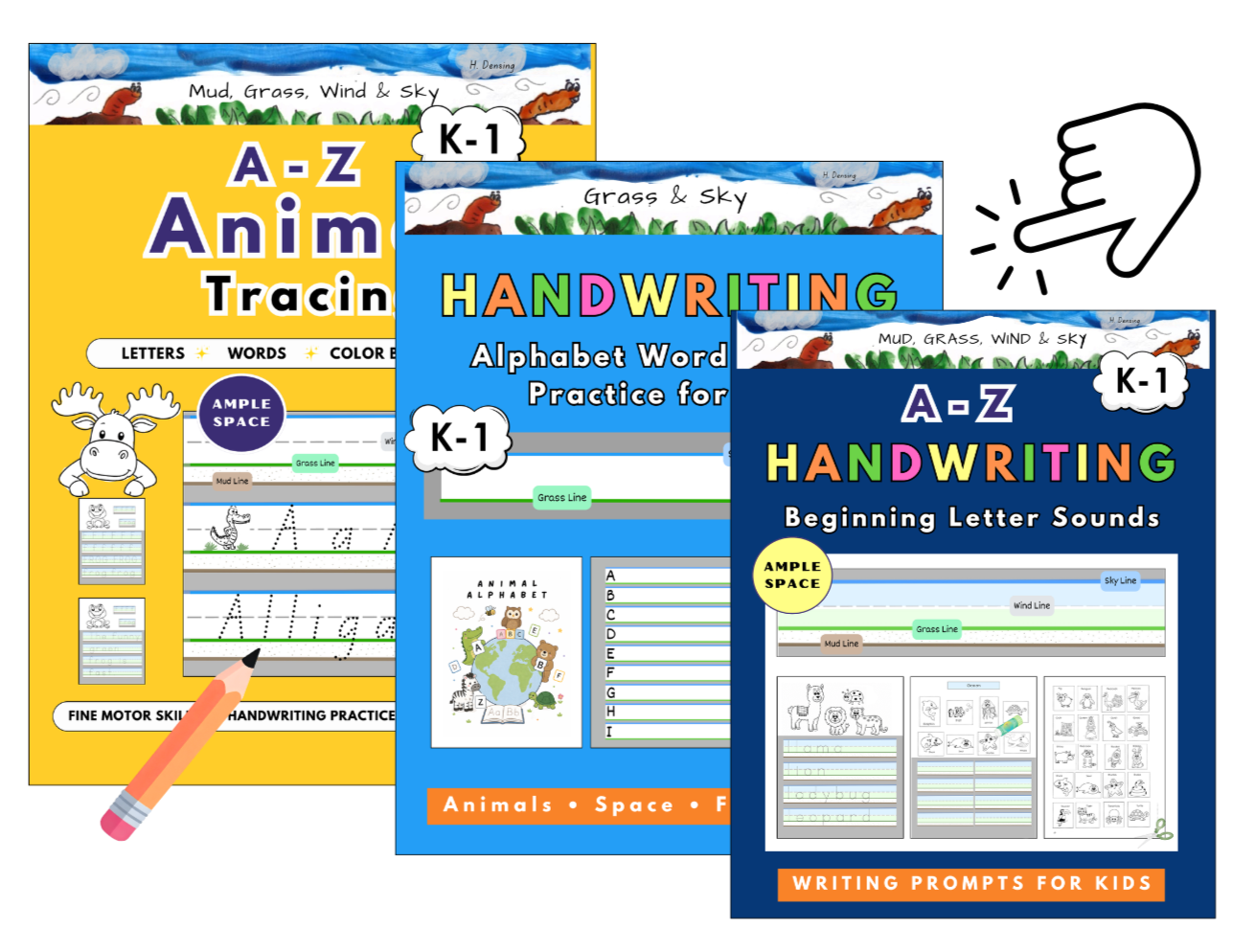
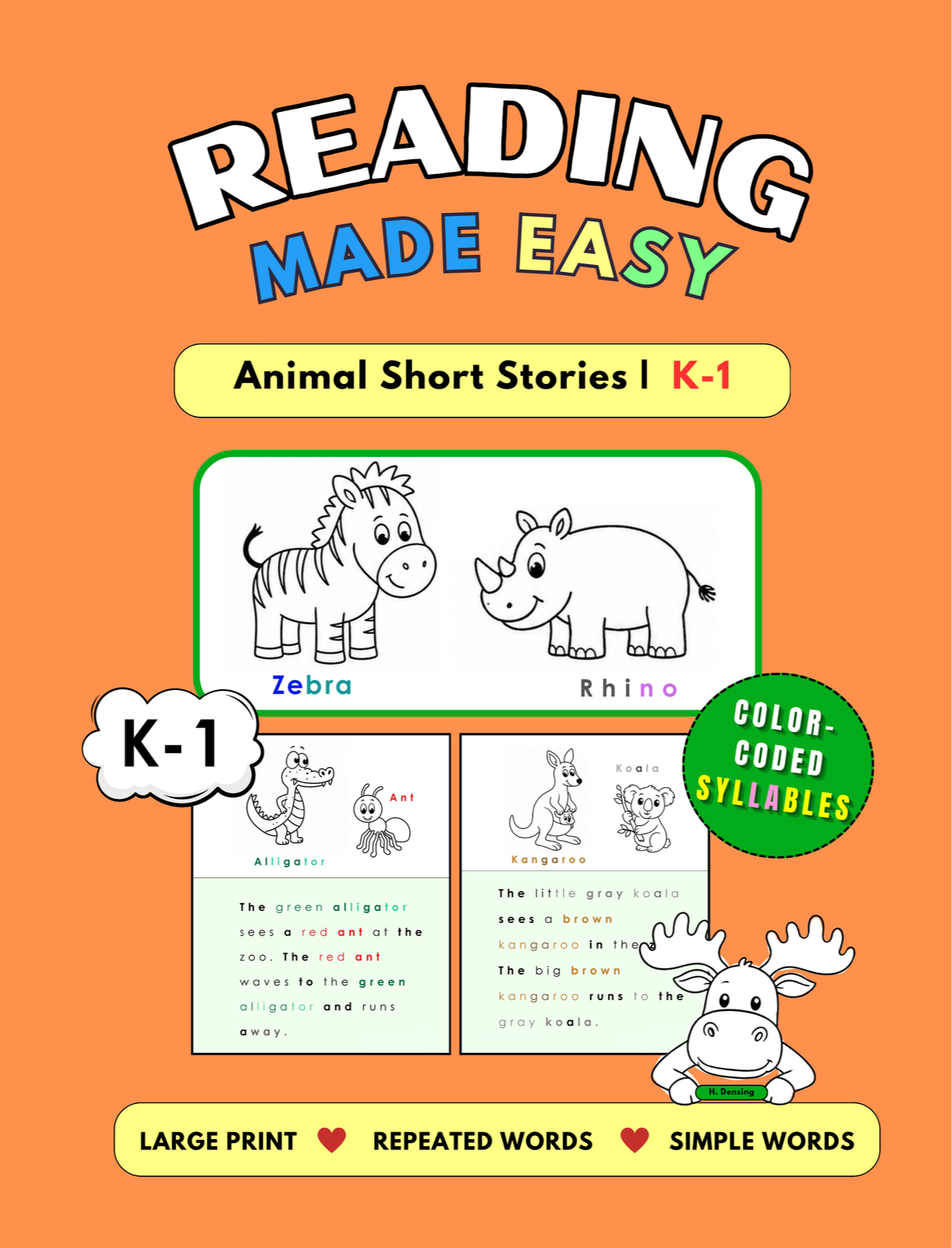
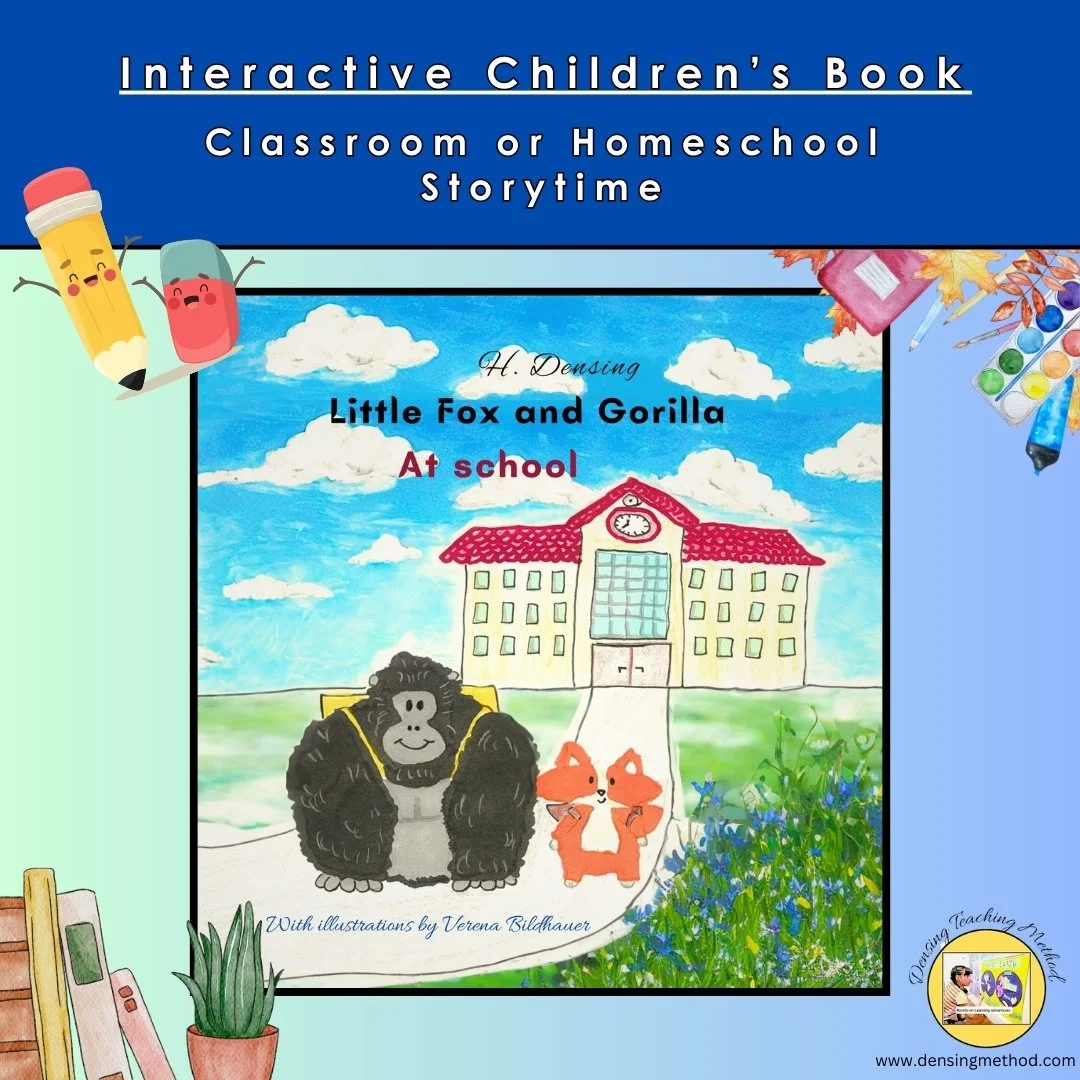
Explore the Densing Workbooks and Picture Books:
Why Early Support Matters
Early learning builds the foundation for:
reading
writing
math
independence
With the right support, children can make steady progress at their own pace.
Download Section
⬇ Download the Developmental & Academic Skills Checklist (4–7 Years)
This checklist helps you track:
communication
reading and writing
math skills
attention and behavior
This is not a diagnosis. For evaluation, consult a pediatrician, psychologist, teacher, or other qualified professional.
Explore More Neurodivergent Checklists
Every child’s brain is unique, and neurodivergent traits can show up in many different ways. If you want to explore other areas of learning, behavior, and development, these individual checklists can help you observe specific traits and find strategies to support your child:
Neurodivergence Overview – Learn about neurodivergent traits, understand differences in thinking, learning, and behavior, and access a general neurodivergence checklist.
Autism Spectrum Disorder (ASD)- Challenges in social communication, behavior, and restricted interests, often with unique sensory and learning styles.
ADHD Checklist for Children – Signs, traits, and practical strategies for attention, focus, and impulse control.
Dyslexia Checklist for Children– Reading, decoding, and language-related traits.
Dyscalculia Checklist for Children – Number sense, math skills, and problem-solving differences.
Dysgraphia Checklist for Children – Handwriting, fine motor, and written expression challenges.
Dyspraxia Checklist for Children – Coordination, motor planning, and daily activity support.
Sensory Processing Disorder (SPD) Checklist – Sensory sensitivities, seeking or avoiding input, and self-regulation.
Executive Functioning Checklist for Children– Planning, organization, task completion, and memory support.
Each checklist links to a dedicated page with practical tips and strategies to help children thrive. Tracking behaviors over time can provide useful insights for parents and caregivers and guide discussions with professionals.
Observing Learning and Development Differences: Guidance for Parents
Seeing your child show signs that match one or more of these categories can feel overwhelming, but it does not automatically mean they have a diagnosis. Many behaviors may be part of a temporary developmental phase, while others may reflect a neurodivergent learning style. The key is to keep observing your child, track behaviors using checklists, and consult a pediatrician, psychologist, or specialist for professional guidance. While a diagnosis may initially feel overwhelming, it can be a crucial step in providing your child with the right support.
By focusing on your child’s individual strengths and needs, and using positive reinforcement and structured support, you can help them feel confident, engage fully in learning, and develop skills that will benefit them long-term. Understanding these differences early allows you to provide targeted strategies, and support your child’s growth in both academic and life skills.
Takeaway: Every child is unique, and early observation combined with practical strategies and professional guidance can make a meaningful difference in their development.