


Homeschooling a Neurodivergent Child: 5 Mindset Shifts to Make Learning Easier
Homeschooling a neurodivergent child can require a very different approach to learning. These five mindset shifts can help you focus on your child’s strengths, interests, movement needs, and learning style while making homeschool more flexible, hands on, playful, and less stressful for both of you.
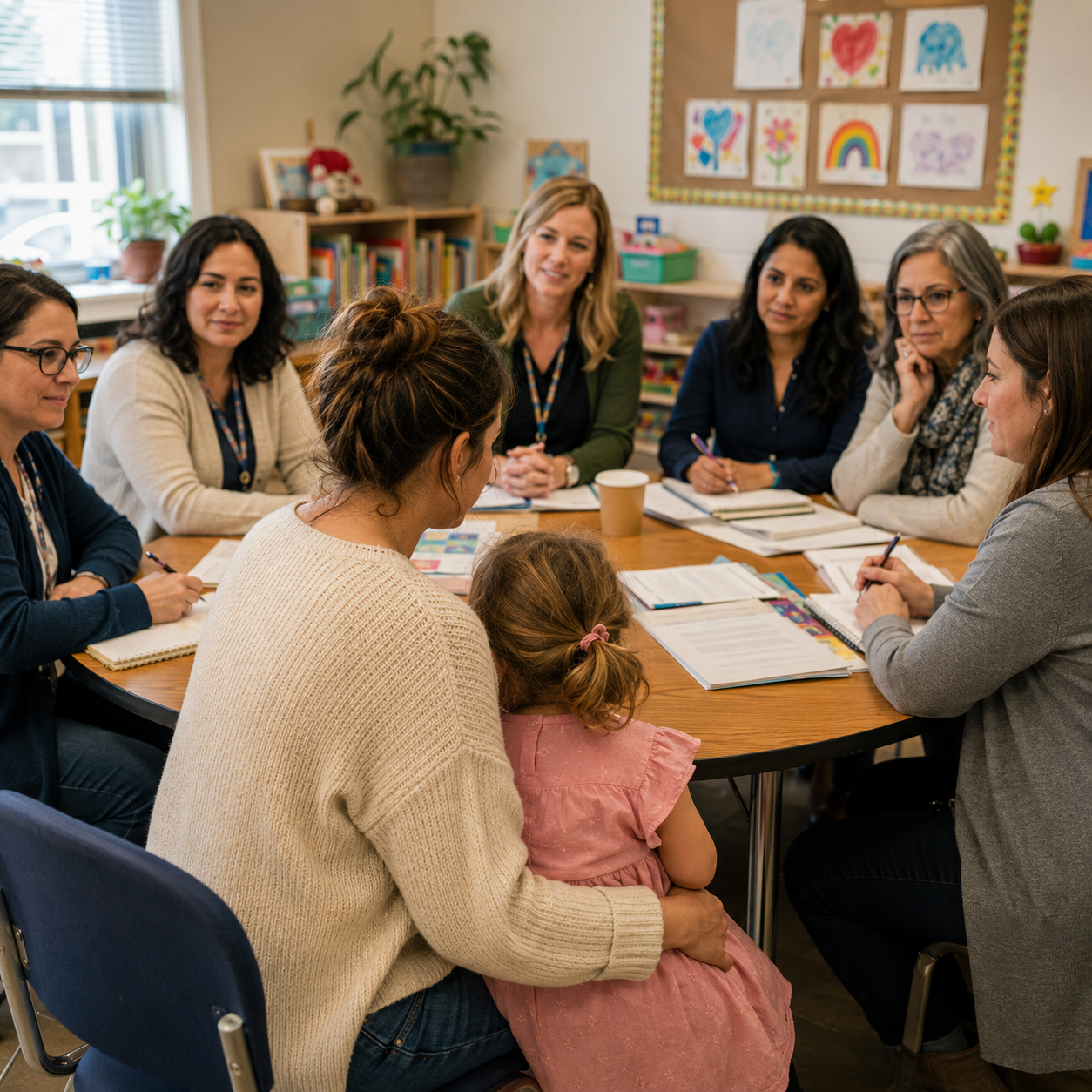
Starting Special Education Preschool at Age 3: A Parent Guide to the Transition From Early Intervention
Preparing for your child’s transition from Early Intervention to preschool special education at age 3? This parent guide explains IFSP vs. IEP, what to expect at the first meeting, questions to ask about evaluations, placement and therapy services, and includes a free Meet My Child template to help the new school team understand your child.
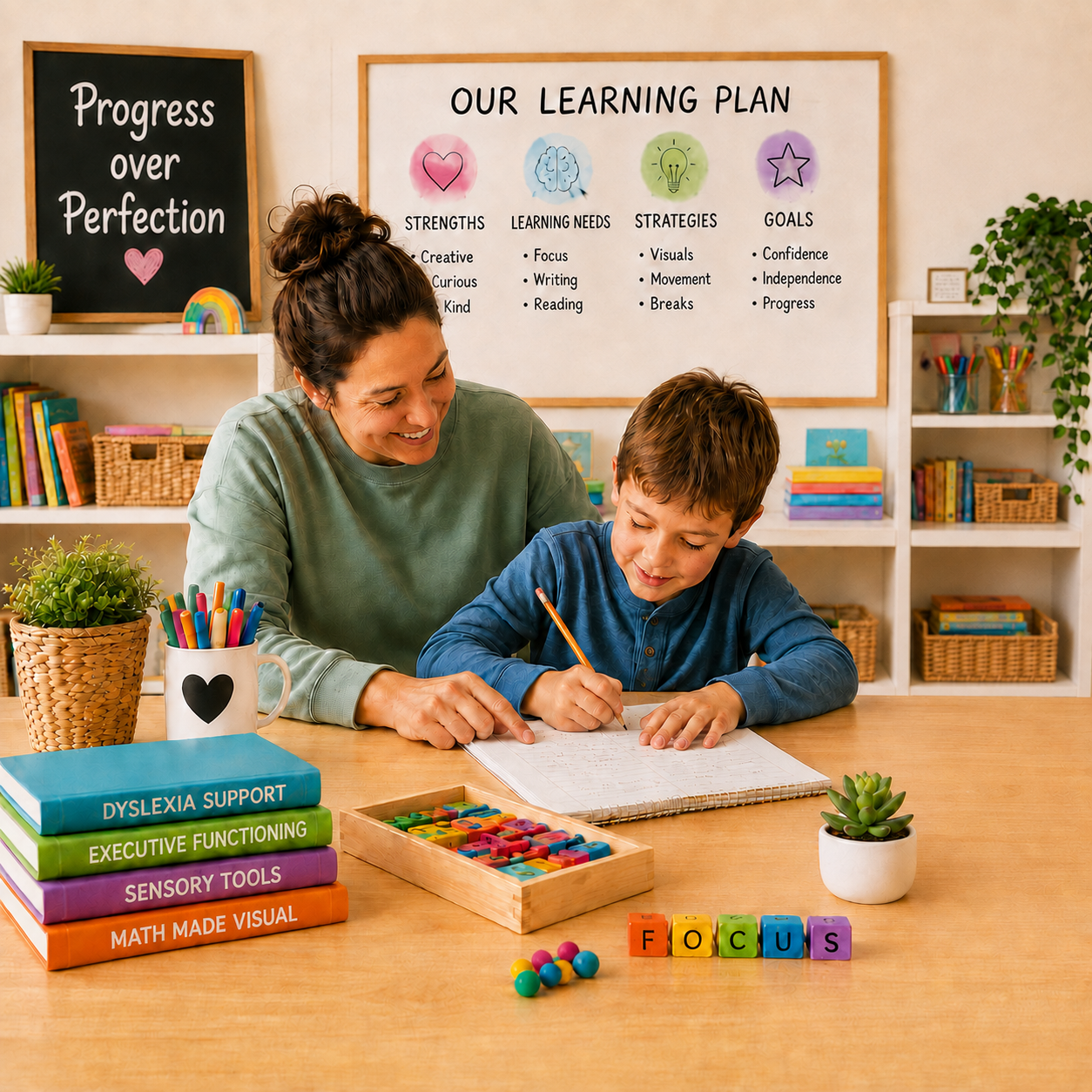
SEN Homeschooling Curriculum: Flexible Homeschooling for Children with Special Needs and Learning Differences
Explore how to create a flexible special needs homeschool curriculum tailored to your child’s strengths, interests, and learning needs. Find practical ideas for SEN and SEND homeschooling, including support for ADHD, autism, dyslexia, dysgraphia, dyscalculia, executive functioning, sensory needs, and more.

Apraxia of Speech in Autistic and Nonverbal Children
Learn how apraxia of speech may affect autistic, nonverbal, nonspeaking, or minimally speaking children. Find signs, support tips, and a free apraxia checklist for parents.
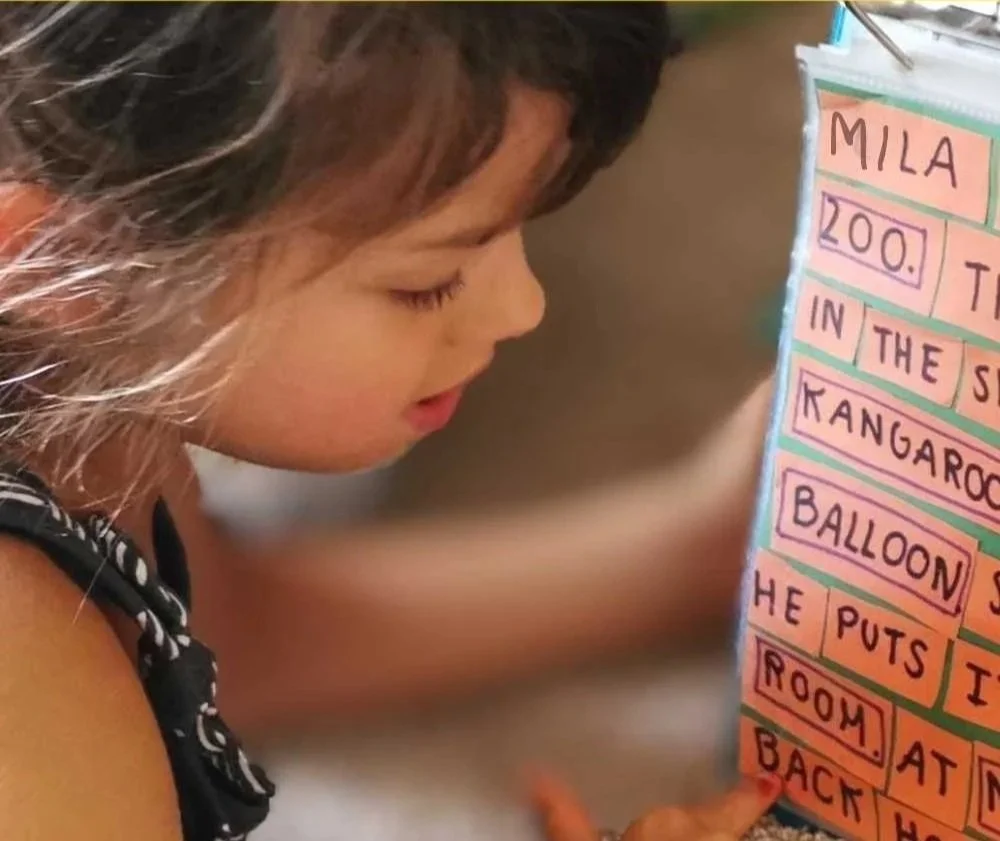
They Told Me My Daughter Might Never Learn to Read — What Actually Helped
When a child isn’t learning to read, it can feel overwhelming and unclear what to try next.
This post shares a simple, visual, hands-on approach that helped—especially for children with autism, developmental delays, or other learning differences.

Executive Functioning Help for Children | Routines & Free Printable
Learn how executive functioning challenges can affect your child’s focus, routines, time management, and everyday tasks. Find practical support for building independence, plus a free checklist and 7-day plan to help you get started at home.

Classroom Observation Checklist for Teachers
A practical classroom observation checklist teachers can use in real time. Identify how students learn best and get clear, actionable strategies to support ADHD, autism, and diverse learning needs.

When Parenting Feels Harder Than It Should: Free Checklists for Parents
If your child has meltdowns, struggles with sleep, refuses potty training, or nothing seems to work like it does for other families—you’re not alone. And you’re not a bad parent.

How to Handle Meltdowns and Challenging Behavior in the Classroom
Classroom meltdowns and challenging behavior often have more going on beneath the surface. Learn to spot early signs, identify triggers, and use practical strategies to support students with ADHD, autism, sensory needs, and other learning differences. Includes free checklists.

My child is so different from other kids. Why?
If your child seems different from other kids, you are not alone. Learn how to notice patterns, explore possible neurodivergent traits, and find free checklists to support your child.

How to Improve Student Focus in the Classroom
Struggling to keep students focused and on task? Learn practical classroom strategies for attention, directions, task completion, and engagement, with free checklists for executive functioning, ADHD, and autism.

Child Not Reaching Milestones? What Parents Can Do Next
Learn how to spot early signs of developmental or learning differences in children and support their growth. Access three easy-to-use milestone checklists for ages 12–18 months, 18 months–3 years, and 4–7 years.

How to Teach in a Self-Contained Classroom: Practical Strategies
Teaching students at very different levels in one classroom can feel overwhelming. Find practical self-contained classroom strategies for differentiation, reading, math, visual supports, and hands-on learning.
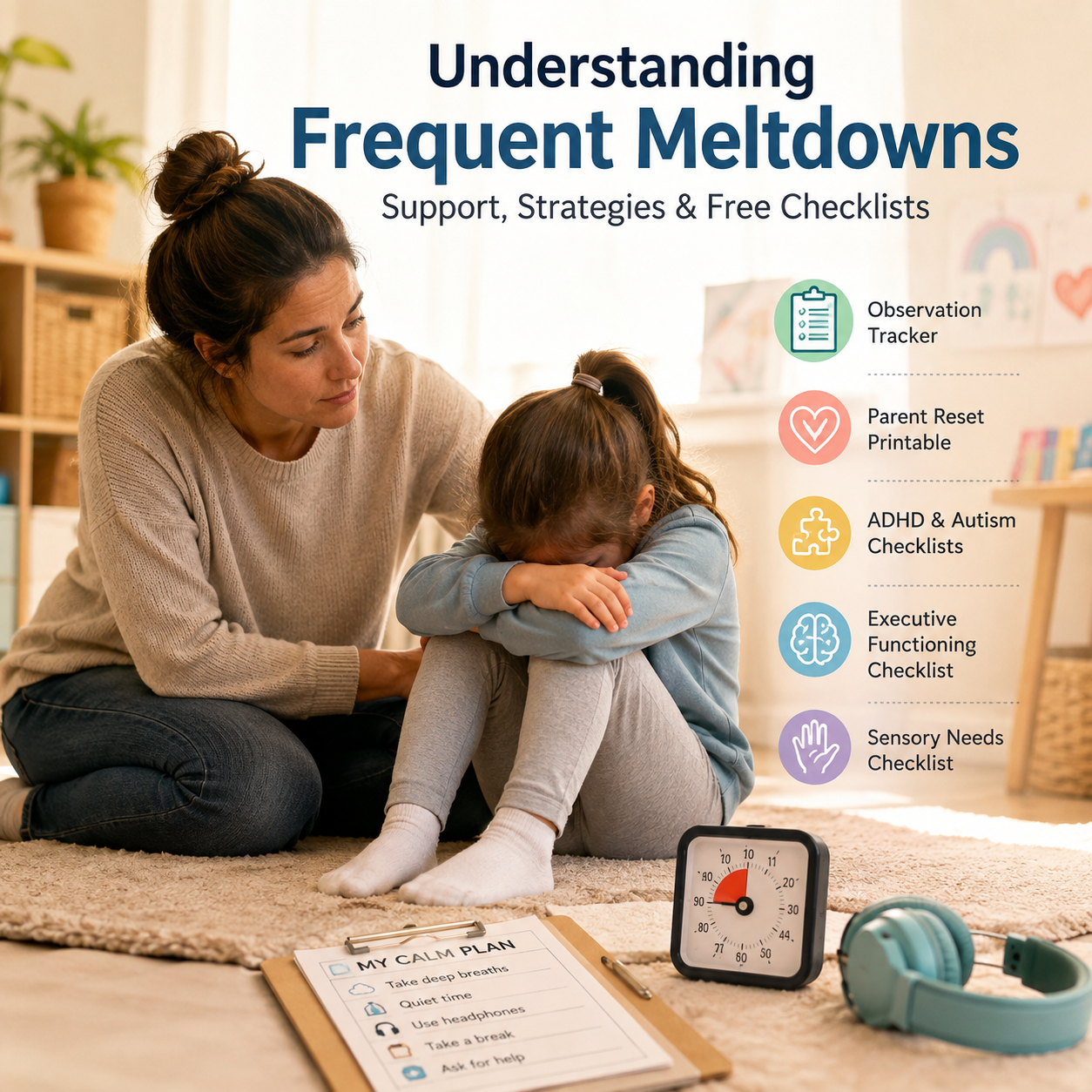
Why Does My Child Have So Many Meltdowns? Signs, Support, and Free Checklists
Frequent meltdowns, tantrums, and emotional outbursts can leave parents feeling overwhelmed. Learn possible triggers and practical support strategies, and access a free 7-day meltdown observation tracker, Parent Reset printable, and sensory, ADHD, autism, and executive functioning checklists.

Is Early Intervention Free? What Are the Benefits for Your Child?
Is your toddler struggling with developmental milestones? Learn how early intervention can support your child’s growth. Discover why seeking a second opinion is crucial and how therapies like ABA, floor therapy, speech therapy, and occupational therapy can make a meaningful difference in your child's development.

Autism Diagnosis in Children: What Parents Fear—and What It Really Means
An autism diagnosis can bring uncertainty and many questions about your child’s future. This guide helps parents understand what it means and how to support their child with structure, confidence, and practical steps.
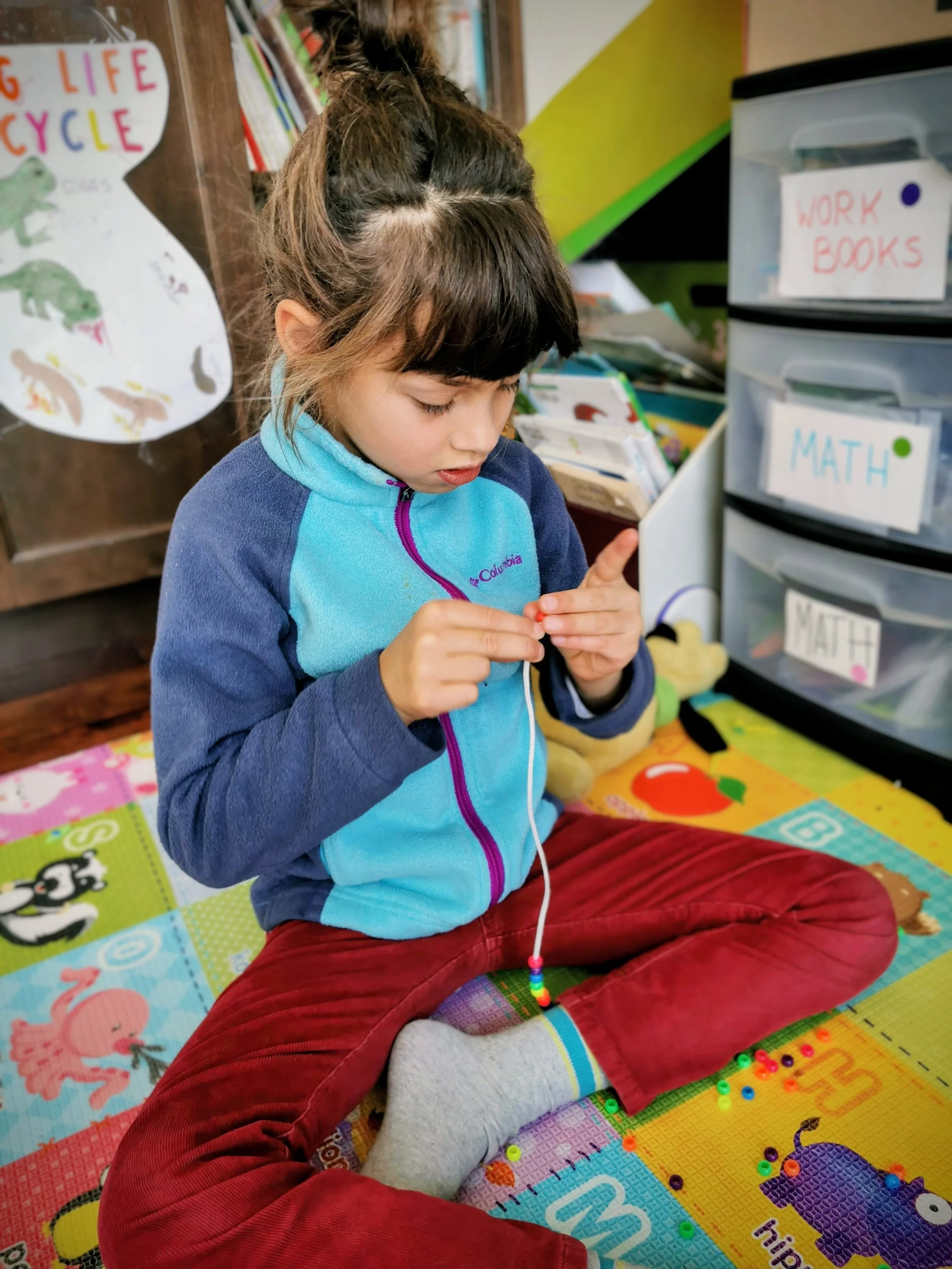
Fine Motor and Sensory Struggles in Children: Signs and Support
Many parents wonder why their child struggles with writing, utensils, dressing, coordination, textures, movement, or everyday tasks. Learn how sensory challenges may affect motor skills, and find playful support strategies plus a free sensory checklist.

Why Do I Feel So Exhausted and Isolated as a Parent of a Child with Learning Differences?
Parenting a child with learning differences, ADHD, autism, or sensory challenges can feel exhausting and isolating. Learn practical strategies, support ideas, and self-care tips for parents.

Parenting a Child with Learning Differences: Support, Strengths, and Free Checklists
Parenting a child with learning differences can feel overwhelming, but small steps can help. Learn support strategies, notice your child’s strengths, and find a free printable support guide and checklists.
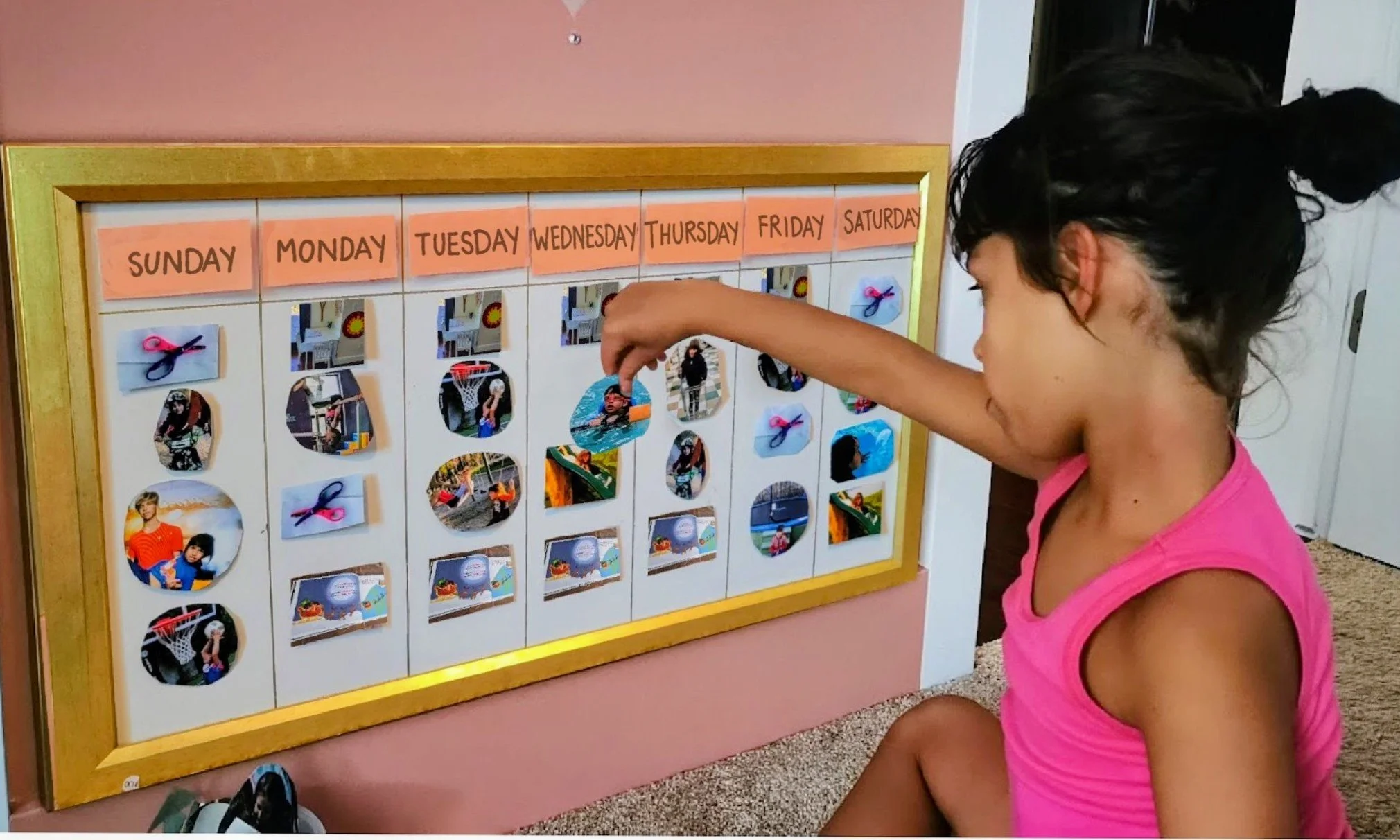
How to Support Your Child at Home Without Causing Frustration
If homework, routines, transitions, sensory needs, or everyday tasks often lead to frustration, you are not alone. Learn simple ways to support your child at home, plus find free executive functioning, sensory, and neurodivergent child checklists.