


Classroom Observation Checklist for Teachers
A practical classroom observation checklist teachers can use in real time. Identify how students learn best and get clear, actionable strategies to support ADHD, autism, and diverse learning needs.
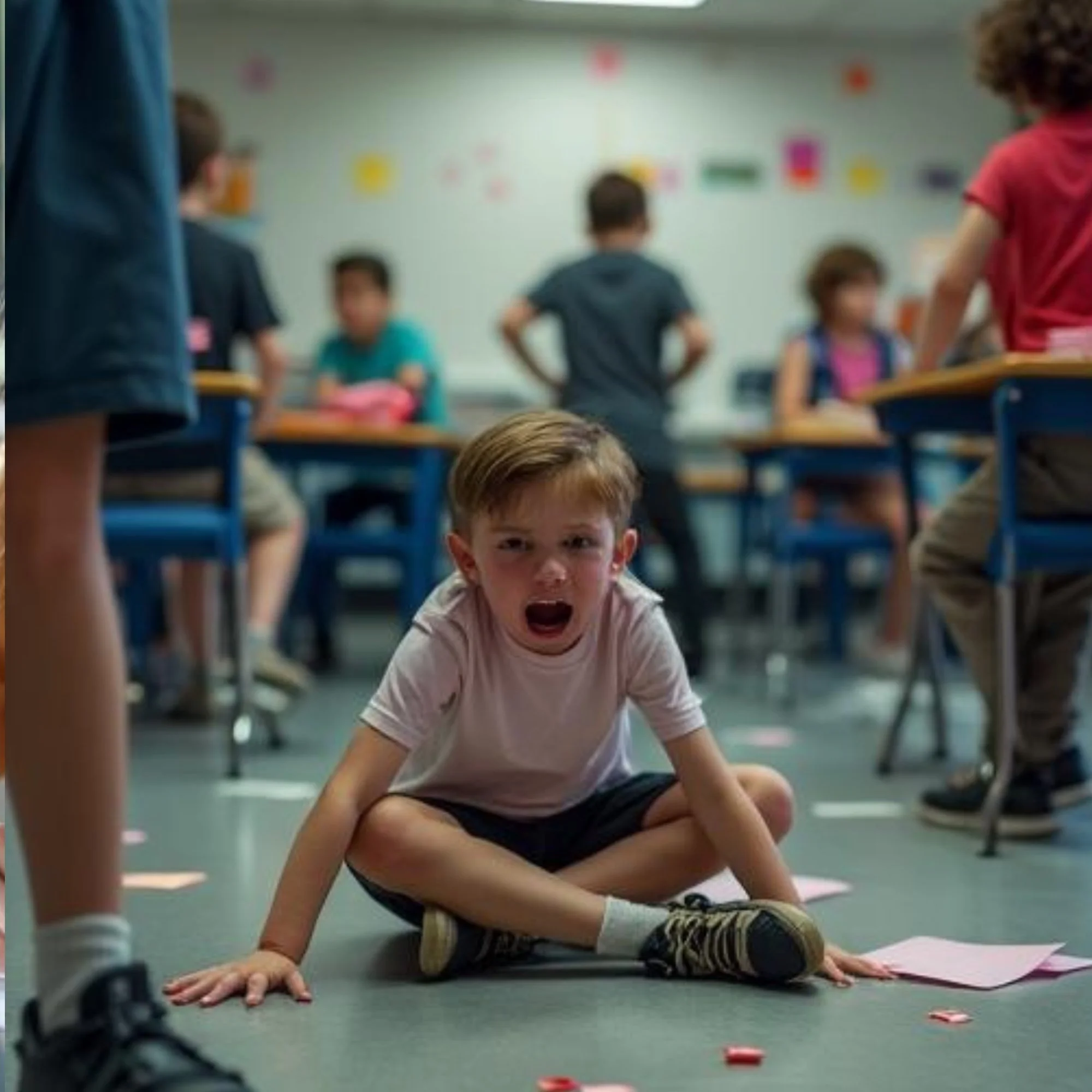
How to Handle Meltdowns and Challenging Behavior in the Classroom
Classroom meltdowns and challenging behavior often have more going on beneath the surface. Learn to spot early signs, identify triggers, and use practical strategies to support students with ADHD, autism, sensory needs, and other learning differences. Includes free checklists.
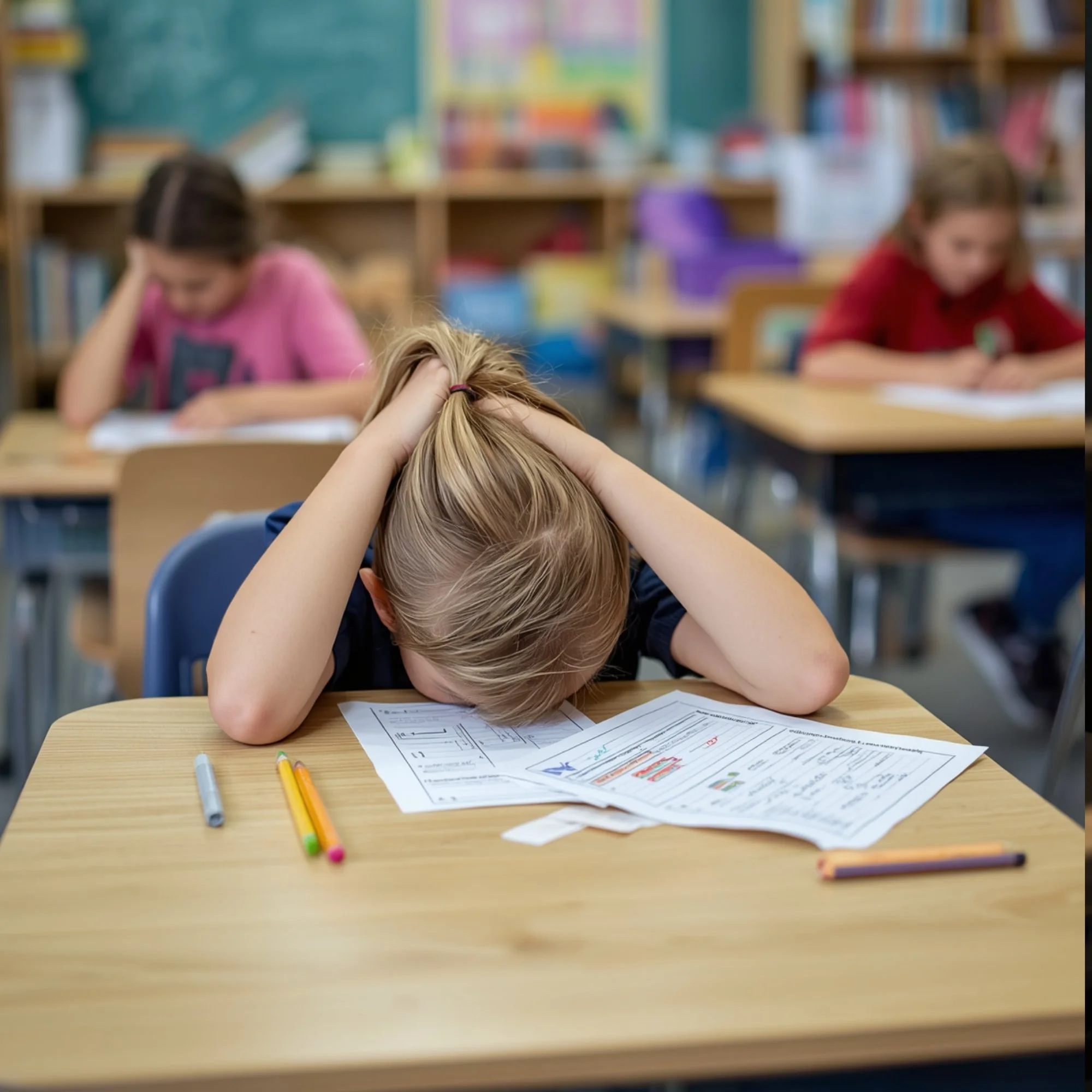
How to Improve Student Focus in the Classroom
Struggling to keep students focused and on task? Learn practical classroom strategies for attention, directions, task completion, and engagement, with free checklists for executive functioning, ADHD, and autism.
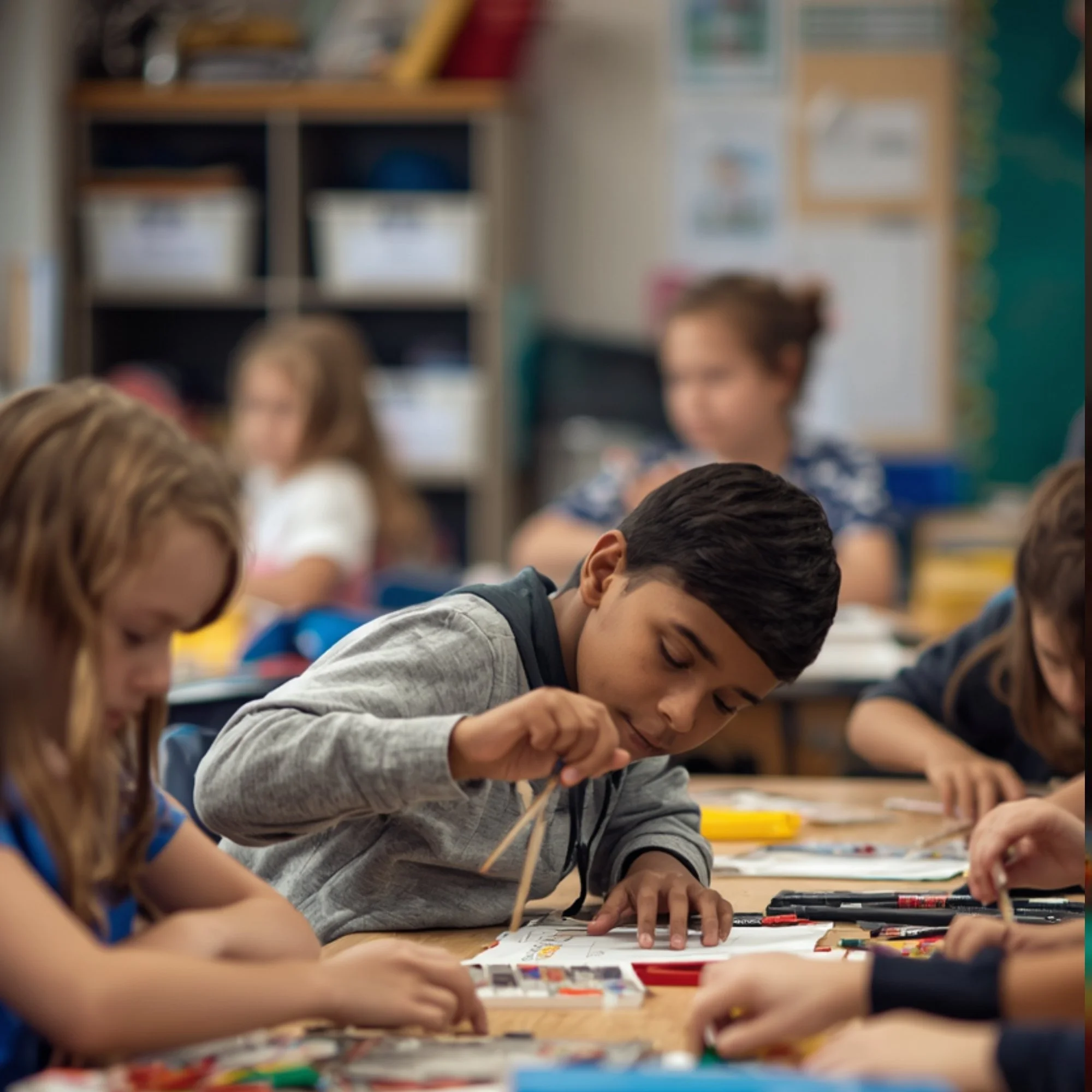
How to Teach in a Self-Contained Classroom: Practical Strategies
Teaching students at very different levels in one classroom can feel overwhelming. Find practical self-contained classroom strategies for differentiation, reading, math, visual supports, and hands-on learning.
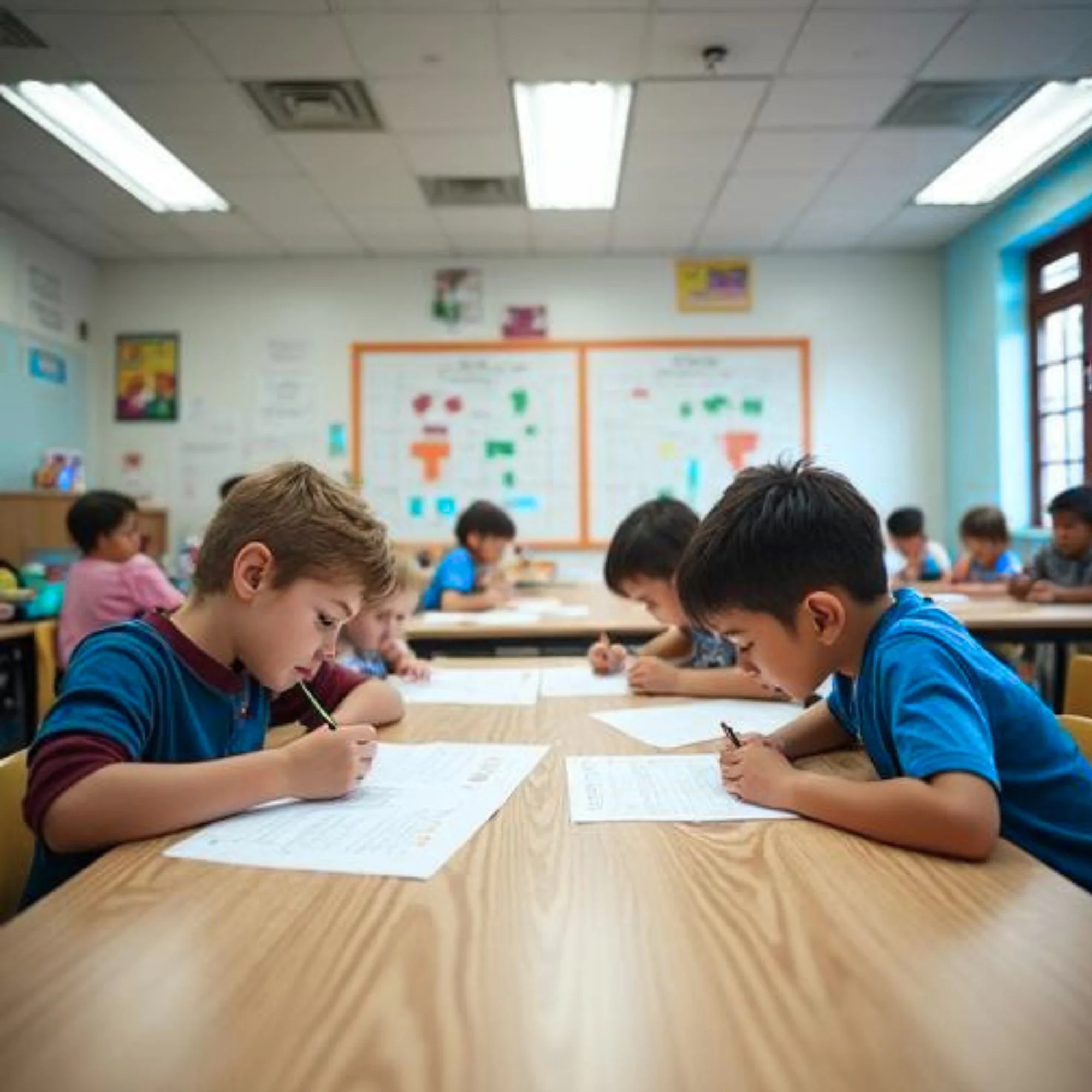
How to Differentiate Instruction Without Creating More Work (Practical Classroom Strategies)
Learn how to differentiate instruction in real classrooms without creating more work. Discover practical strategies to support students with ADHD, autism, and learning differences using clear structure, visual support, and flexible tasks that actually work.
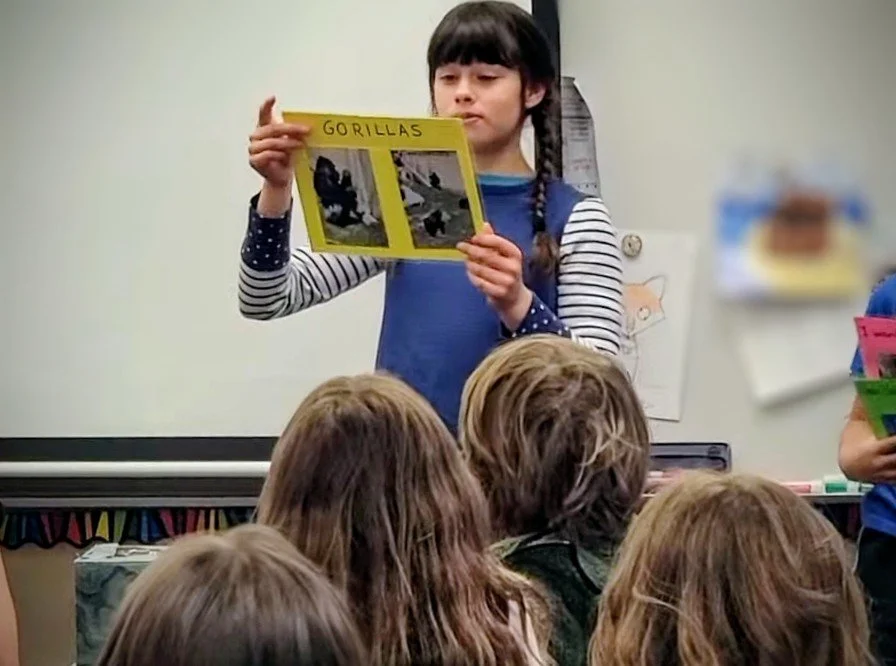
How Can I Recognize Students Who Need Additional Learning Support in the Classroom?
Wondering if a student may need extra support? Learn how to recognize common classroom signs of learning differences and identify patterns early to better support your students.
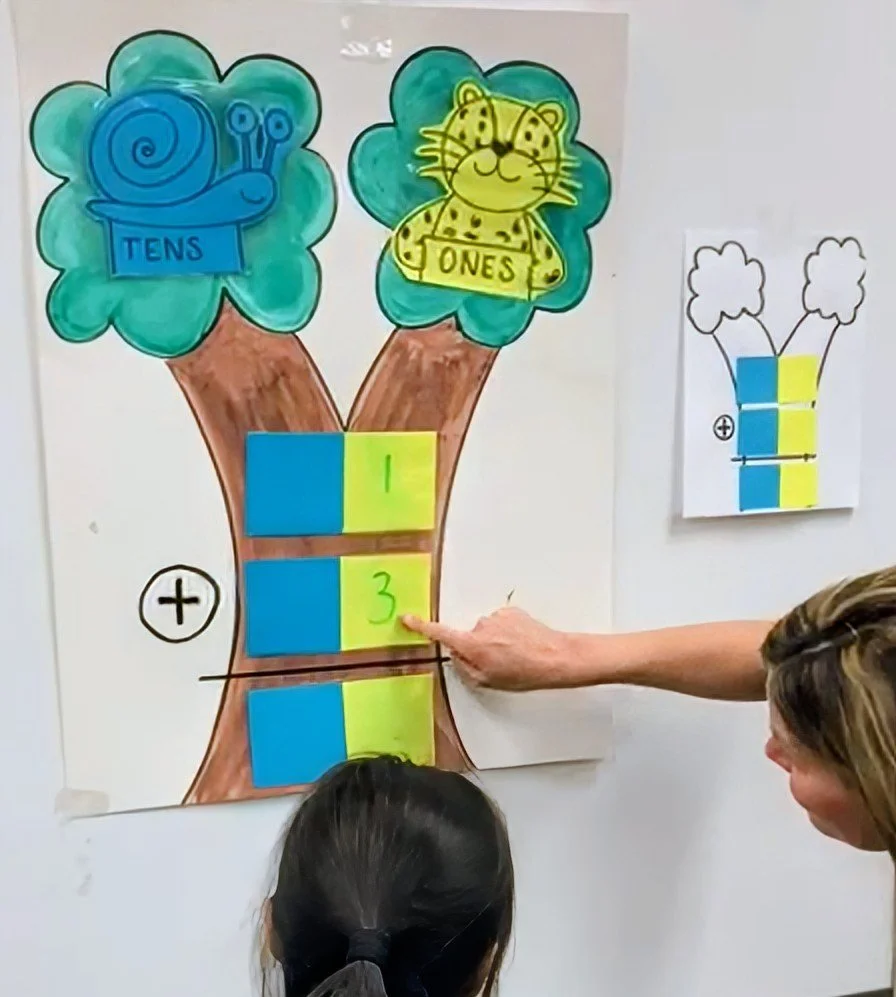
Visual Supports in Special Education Classrooms (Practical Examples That Work)
Discover how hands-on, interest-based learning helps children with ADHD, autism, and learning differences stay engaged and understand concepts more easily. See practical classroom and home examples that actually work.