

Teaching a Child with Angelman Syndrome: Learning Strategies and Support
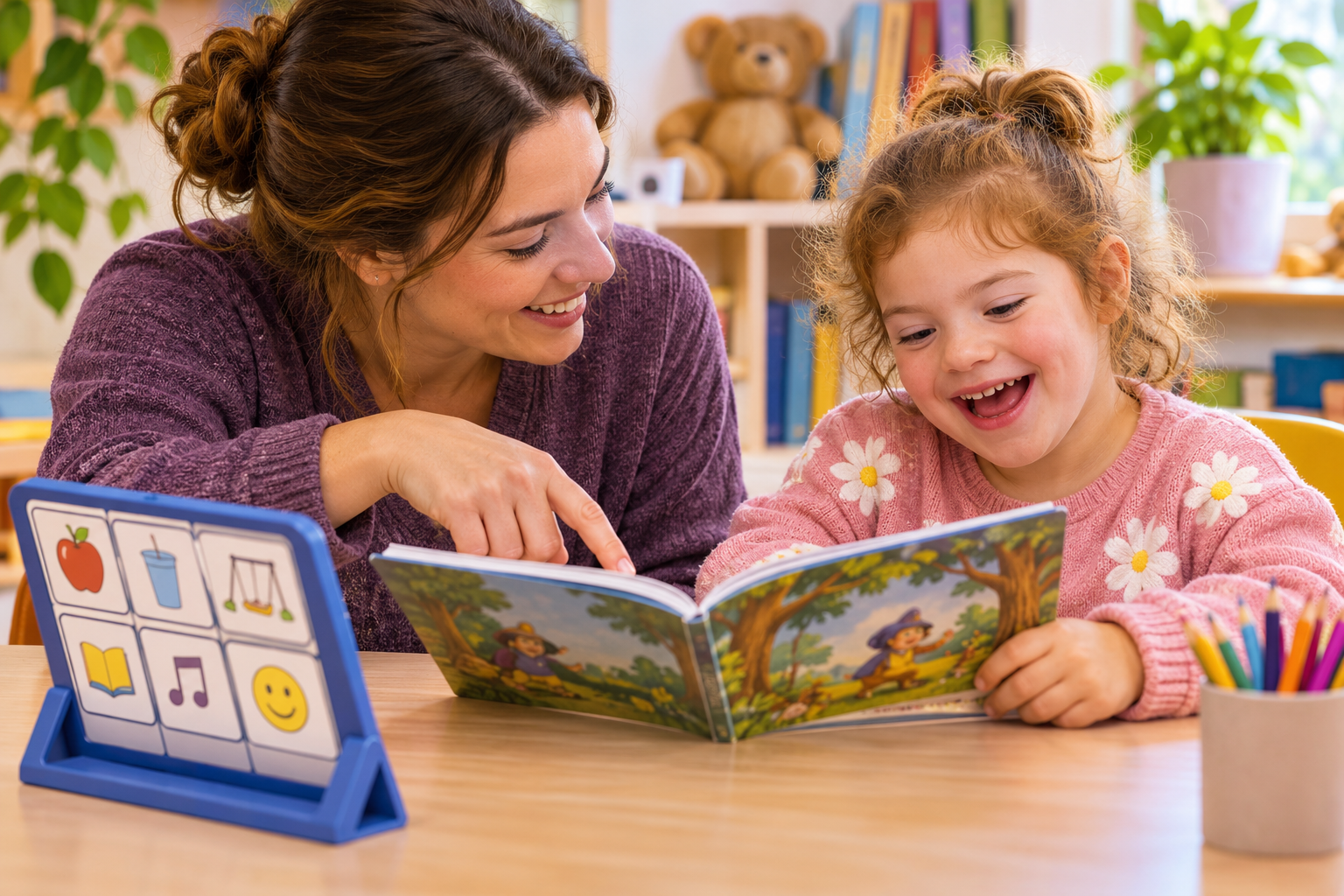
Practical Support for Communication, Learning, Sensory Processing, and Motor Development
Children with Angelman syndrome often experience developmental delays that affect communication, learning, movement, and everyday activities. Many have very limited spoken language, but they can still express preferences, make choices, interact with others, and participate in learning.
Some children may need help understanding instructions, maintaining attention, or handling objects. Others may require additional support with balance, mobility, or sensory experiences.
Choosing Activities That Match Your Child's Abilities
Children with Angelman syndrome have different developmental abilities, communication needs, and levels of independence. An activity that works well for one child may be too difficult or unsuitable for another.
The learning suggestions on this page are general ideas that may be adapted to each child's abilities. Some children may participate independently, while others may need AAC, adapted materials, or substantial assistance. Certain activities may not be suitable at all.
Parents should choose activities based on their child's individual needs and seek guidance from qualified therapists or educators when necessary. The goal is to provide meaningful opportunities for learning and participation without expecting every child to develop the same skills.
On this page, you can learn more about:
Understanding Angelman Syndrome and Learning
Angelman syndrome is a rare genetic condition that affects the nervous system. It is usually caused by the loss of normal activity of the maternal copy of the UBE3A gene in certain brain cells.
The condition is associated with significant developmental delays, intellectual disability, very limited spoken language, and difficulties with balance and coordination. Seizures and sleep disturbances are also common.
Developmental delays often become noticeable during infancy, when a baby may take longer to reach milestones such as sitting, crawling, or communicating.
How Can Angelman Syndrome Affect Learning?
Children with Angelman syndrome may experience difficulties that affect how they understand information, communicate, and participate in learning activities.
A child may:
Need additional time to process information.
Have difficulty understanding or following instructions.
Have difficulty maintaining attention or staying engaged in activities.
Have very limited spoken language.
Need repeated practice with unfamiliar activities.
Have difficulty controlling hand and body movements.
Require adapted materials or assistance to participate.
Have difficulty demonstrating what they understand.
Communication and motor difficulties can make it challenging to assess a child's knowledge and abilities.
For example, a child may recognize a familiar object but be unable to name it or point to it accurately. Offering another way to respond, such as eye gaze or AAC, may allow the child to demonstrate their understanding.
Learning activities should focus on the child's individual abilities, interests, and everyday needs rather than relying only on age-based expectations.
Angelman Syndrome and Speech and Language Development
Communication difficulties are one of the most significant characteristics of Angelman syndrome.
Most children develop very limited functional spoken language, and many do not develop spoken words. This does not mean they cannot communicate.
Children may express their needs, feelings, and preferences through facial expressions, gestures, body movements, vocalizations, eye gaze, or communication devices.
Understanding language and expressing thoughts or needs are different skills. A child with Angelman syndrome may recognize familiar words, people, and daily routines even when they cannot communicate this understanding through speech. However, language abilities vary from child to child, and their level of understanding should not be assumed.
How Can Parents Support Communication?
Use Augmentative and Alternative Communication (AAC)
AAC includes communication boards, picture symbols, gestures, and speech-generating devices.
These tools allow children to communicate without depending entirely on spoken language.
A speech-language pathologist experienced in AAC can help determine suitable communication methods and how the child can access them.
Offer opportunities to make choices
During playtime, present two familiar activities or objects.
Encourage your child to indicate a preference through their usual communication method. This may involve looking toward an object, reaching, using a picture, or selecting a symbol on a device.
Use communication throughout everyday routines
Talk about familiar objects and activities while demonstrating their meaning.
For example, during snack time, model words such as "more," "finished," and "drink" using your child's communication system.
Give enough time to respond
Some children need additional time to process language and organize a response.
Avoid repeatedly asking the same question before the child has had an opportunity to respond.
Respond to communication attempts
A gesture, sound, facial expression, or movement may communicate something important.
Pay attention to these attempts and help your child develop more reliable ways to express themselves.
AAC should remain available during play, reading, meals, and daily routines. Children should also have opportunities to communicate more than basic requests, including preferences, feelings, and social messages.
Additional Communication Resources
Angelman Syndrome Foundation: Communication Training Series
Free educational resources for families and professionals covering AAC, communication strategies, shared reading, and language development.
https://angelman.org/resources/communication-training-series/
Angelman Syndrome and Sensory Processing
Sensory processing refers to how the brain receives and responds to information from the senses, including touch, sound, movement, and temperature.
Some children with Angelman syndrome experience sensory processing differences. They may seek certain sensations, show strong interests in particular textures or movements, or respond differently to sensory information.
For example, some children are particularly attracted to water, enjoy crinkly materials, or seek movement and physical stimulation. Others may be sensitive to touch, temperature, or certain environments.
Sensory responses vary between children, and not every child with Angelman syndrome will experience the same difficulties or preferences.
A child might:
Enjoy movement or repetitive activities.
Show a strong interest in water.
Seek certain textures or sensory experiences.
Become distracted in noisy environments.
React strongly to unfamiliar sensations.
Have difficulty settling after exciting activities.
Sensory preferences are not necessarily signs of a sensory processing disorder.
They should be considered alongside the child's communication, physical abilities, comfort, and medical needs.
Supporting Sensory Needs
Observe your child's preferences
Notice which activities they enjoy and which situations appear uncomfortable or overwhelming.
Adjust the environment
Reducing background noise or visual distractions may help some children participate in activities.
Offer suitable sensory experiences
Allow your child to explore safe textures, familiar objects, or appropriate movement activities according to their abilities.
Provide movement opportunities
Some children enjoy movement between learning activities. Choose activities that are safe for their balance and coordination.
Respect signs of discomfort
If your child becomes distressed during an activity, stop or adjust it rather than encouraging them to tolerate the experience.
An occupational therapist can help families identify sensory needs and suggest appropriate adaptations.
Children with Angelman syndrome may have balance difficulties, seizures, and a strong attraction to water. Water activities require close, continuous adult supervision and appropriate safety precautions.
Angelman Syndrome and Cognitive Development and Early Literacy
Angelman syndrome is associated with significant intellectual disabilities and developmental delays that affect learning, understanding information, and developing new skills.
Children may need considerable support with recognizing concepts, following instructions, and participating in learning activities. Communication and movement difficulties can also make it challenging for children to demonstrate what they understand.
Learning abilities vary between children. Some may recognize familiar objects, pictures, routines, or written symbols, while others may need substantial assistance with even simple activities.
Supporting Early Learning
Start with familiar objects
Use toys, pictures, or everyday objects that your child recognizes. For example, offer two familiar objects and encourage your child to indicate a preference using their usual communication method.
Demonstrate activities
Show your child what to do rather than relying only on verbal instructions. Allow time for them to observe and participate.
Allow repeated practice
Familiar activities provide opportunities to explore concepts at a comfortable pace. Repetition may help children become more familiar with objects, actions, and routines.
Use accessible ways to respond
Some children may participate through eye gaze, gestures, AAC, or assisted interaction rather than speaking or pointing.
Connect learning to everyday activities
Daily routines can provide opportunities to recognize familiar objects, make choices, and participate in simple tasks. Activities should match the child's developmental and physical abilities.
Early Literacy and Shared Reading
Many children with Angelman syndrome experience significant learning difficulties and may not develop independent reading skills. However, literacy abilities vary, and some children may learn to recognize letters, familiar words, or written symbols.
A child's ability to read should not be judged only by their spoken language or ability to point to words. Communication and motor difficulties can make it harder to demonstrate literacy skills.
Even when independent reading is not achievable, children can still enjoy books and participate in shared reading activities.
How Can Parents Encourage Participation in Reading?
Read together
Choose books with pictures, familiar characters, or subjects your child enjoys. Allow your child to look at pictures, listen to the story, and participate in ways that are comfortable for them.
Use AAC during storytime
Children who use communication boards or speech-generating devices can participate by making choices, commenting on pictures, or expressing preferences.
Explore pictures and familiar words
Point to pictures and talk about what is happening. Some children may enjoy recognizing familiar characters, objects, or repeated words.
Include rhymes and repetition
Rhyming stories and repeated phrases can make shared reading predictable and enjoyable. Pause occasionally to give your child an opportunity to participate through sounds, gestures, eye gaze, or AAC.
Follow your child's interests
Allow your child to spend time exploring favorite pages or pictures. The activity does not need to follow a fixed sequence or end with a correct answer.
Some children may benefit from individualized literacy instruction, including letter recognition and other early reading skills. A qualified educator or speech-language pathologist familiar with AAC can help identify appropriate learning goals.
Shared reading can provide opportunities for communication, enjoyment, and participation, regardless of whether a child develops independent reading skills.
Additional Reading Resources
Helping a Child with Special Needs Learn to Read
Read about my personal experience teaching my daughter with special needs to read using large word cards, familiar objects, and hands-on activities.
Although she does not have Angelman syndrome, the article shares ideas that parents may find useful when adapting learning activities to their child's individual abilities. These approaches are not proven reading interventions for Angelman syndrome.
Additional Learning Activities
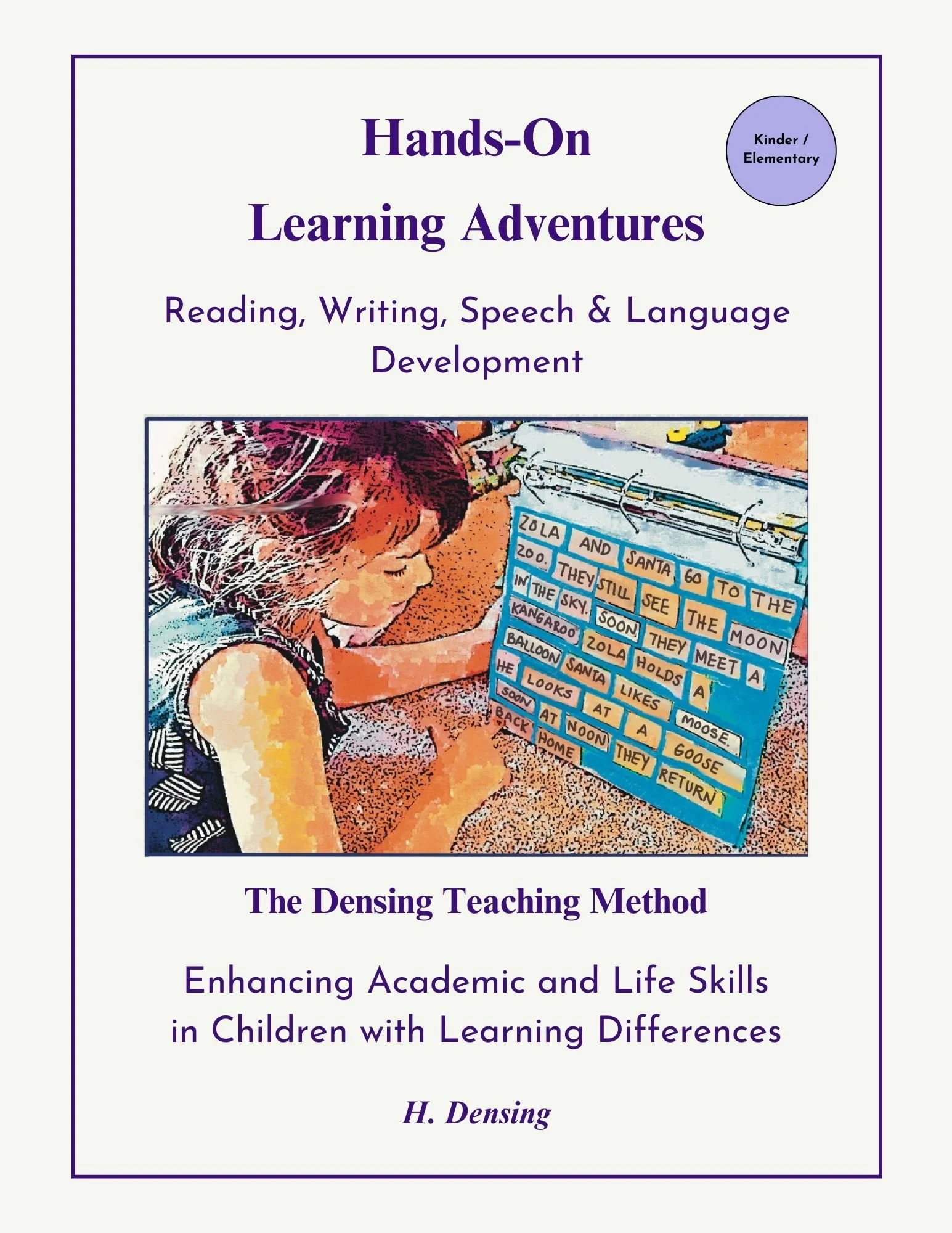
The Densing Teaching Method: Reading, Writing, Speech and Language Development book includes hands-on games and activities designed for children with different learning needs.
Some activities may be suitable for children with Angelman syndrome, particularly those involving pictures, familiar objects, and early learning concepts. Children who are ready for more advanced literacy activities may also benefit from selected exercises.
The book was developed for children with different learning needs and is not specifically designed for Angelman syndrome. However, parents and teachers may find activities that are suitable for their child or student, depending on their individual skills, developmental abilities, and support needs.
Explore the Reading, Writing, Speech and Language Development Book →
Angelman Syndrome and Fine Motor Skills
Fine motor skills involve the small movements of the hands and fingers used for grasping, holding, and manipulating objects.
Children with Angelman syndrome often experience difficulties with coordination and motor control. Tremors, involuntary movements, and difficulties controlling their hands can make everyday activities challenging.
A child may:
Have difficulty grasping or releasing objects.
Struggle to manipulate toys or small objects.
Need assistance using utensils.
Have difficulty turning book pages.
Struggle to hold or control a pencil.
Require help with dressing and other daily activities.
The severity of these difficulties varies. Some children may develop greater independence with certain tasks, while others need substantial or ongoing assistance.
Supporting Fine Motor Development
Fine motor activities should be selected according to the child's abilities, comfort, and safety needs.
Use larger, easy-to-grasp objects
Large blocks, soft toys, and objects with adapted handles may be easier for some children to hold and manipulate.
Practice placing objects into containers
Children who can grasp and release objects may enjoy placing large toys into a container. Provide assistance when needed.
Encourage participation in everyday activities
Allow your child to participate in simple tasks such as holding a washcloth, helping turn pages, or using adapted utensils when appropriate.
Adapt drawing and creative activities
For children who can participate in drawing, thick crayons, adapted grips, or other accessible tools may make the activity easier.
Children who cannot hold drawing tools may still participate by choosing colors or pictures using their preferred communication method.
Provide support when needed
Some children may need adapted seating, positioning support, or assistance to use their hands comfortably.
An occupational therapist can assess your child's abilities and recommend appropriate activities, equipment, and support.
Activities involving small objects, scissors, or other potentially hazardous materials may be unsuitable for some children, particularly those who have difficulty controlling movements or frequently put objects in their mouths.
Additional Resources
Fine Motor Skills and Activities for Children
Explore general information about fine motor development and activities involving grasping, hand coordination, and everyday tasks.
Some activities may be suitable for children with Angelman syndrome, while others may need significant adaptations or may not be appropriate.
Read More About Fine Motor Skills →
Angelman Syndrome and Gross Motor Development
Gross motor skills involve larger body movements such as sitting, standing, walking, and maintaining balance.
Motor development is commonly delayed in children with Angelman syndrome. Many children eventually learn to walk, although walking may remain unsteady. Others may require mobility equipment or ongoing assistance, and some may not develop independent walking.
Balance difficulties, tremors, and differences in muscle tone can affect movement and participation in everyday activities.
Supporting Movement and Participation
Provide safe opportunities to move
Encourage movement and physical activities that match your child's abilities and mobility needs.
Use suitable positioning and support
Some children need adapted seating, standing equipment, or assistance to participate comfortably and safely.
Include movement in play
Favorite toys and familiar activities may help encourage participation in movements recommended by a physical therapist.
Adapt the environment
Keep pathways clear and provide appropriate support for children who have difficulty balancing or walking.
Work with a physical therapist
Physical therapy can help families identify appropriate movement activities, mobility supports, and functional goals based on the child's individual needs.
Activities involving standing, walking, or balancing may require professional guidance and physical assistance. Children with significant motor difficulties should not be encouraged to attempt movements beyond their abilities.
Additional Learning Activities
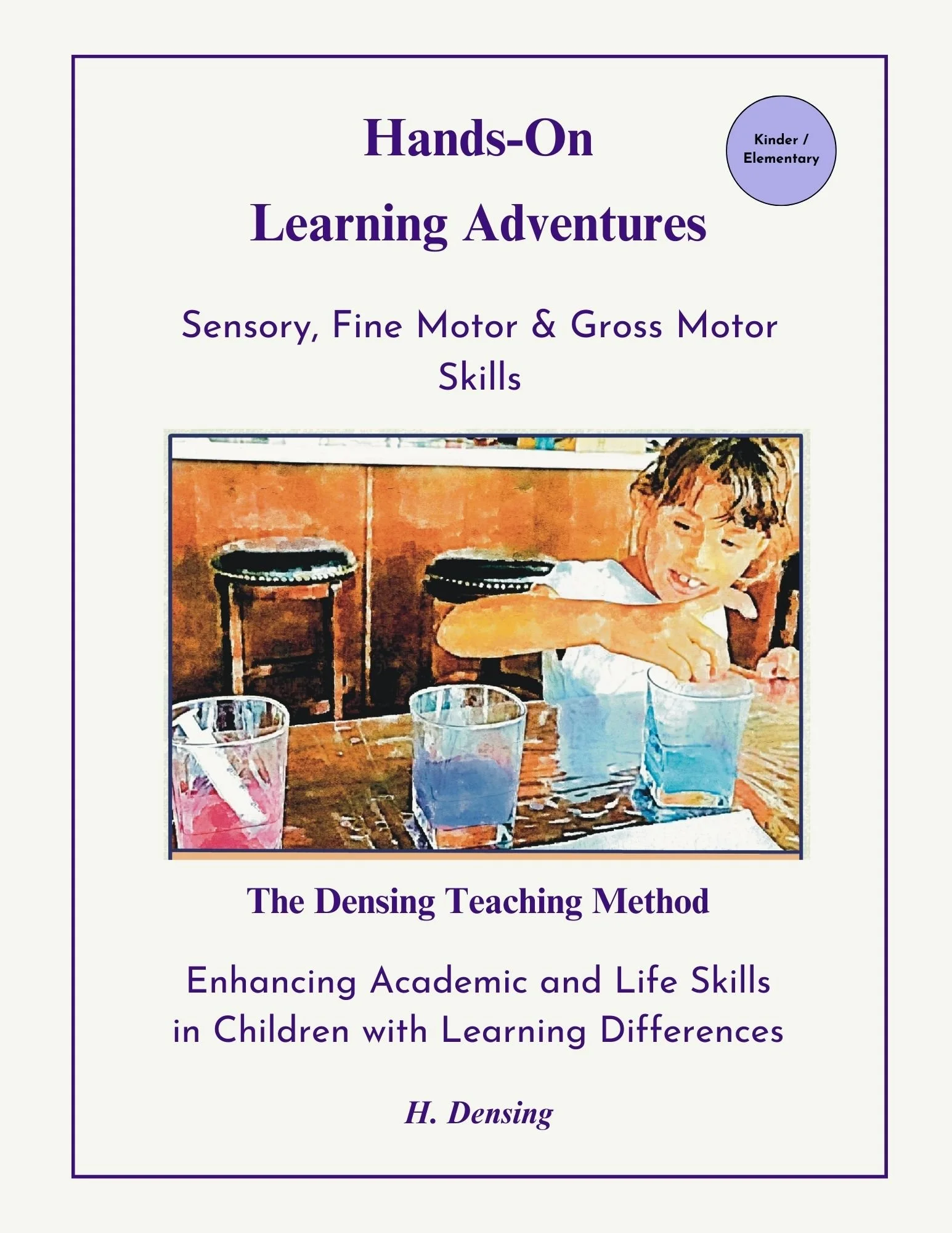
For some children with Angelman syndrome, selected activities from the Densing Teaching Method: Sensory, Fine and Gross Motor Skills book may offer opportunities for movement, sensory exploration, and hands-on participation.
The book includes more than 100 activities covering sensory experiences, fine motor coordination, and gross motor development. Parents and teachers may find activities that are suitable for their child or student, depending on their individual abilities, interests, and support needs.
The book was developed for children with different learning needs and is not specifically designed for Angelman syndrome. Activities involving balance, coordination, or physical movement may require significant adaptations or guidance from a physical or occupational therapist.
Angelman Syndrome, Sleep, Seizures, and Learning
Children with Angelman syndrome commonly experience seizures and sleep disturbances.
These medical concerns can affect comfort, attention, energy, and participation in learning activities.
For example, a child who has slept poorly may struggle to remain engaged in an activity they usually enjoy.
Seizures, medication effects, pain, constipation, or other medical concerns may also influence a child's behavior or ability to participate.
Parents should discuss seizures, persistent sleep difficulties, or unexplained changes in behavior with their child's healthcare team.
Learning activities should be adjusted when a child is tired, uncomfortable, or unwell.
Children with seizures may require additional safety precautions during activities involving water, heights, or equipment. Families and educators should follow the child's individualized medical and seizure safety plan.
Teaching Strategies That May Help Children with Angelman Syndrome
Children with Angelman syndrome have different learning abilities, communication needs, and levels of independence. Some children may participate in simple learning activities with support, while others may be ready for more advanced tasks.
The following strategies offer ways for parents and teachers to make learning activities more accessible. They should be adapted to each child's abilities, interests, and individual support needs.
Make Communication Part of Learning
Children do not need to speak to participate in learning. Encourage communication through gestures, eye gaze, pictures, or AAC devices.
For example, during storytime, a child might choose between two characters, indicate a favorite picture, or communicate whether they want to continue reading.
Demonstrate Activities
Show your child how an activity works rather than relying only on spoken instructions.
Use familiar objects and allow enough time for the child to observe and respond. Some children may need assistance or adapted materials to participate.
Start with Manageable Activities
Choose activities that match your child's current abilities. A child who finds matching several objects difficult may be able to begin by choosing between two familiar items.
Introduce additional steps when appropriate, without expecting every child to complete the same tasks.
Follow Your Child's Interests
Familiar stories, favorite toys, pictures, or music may encourage children to participate.
For example, a child who enjoys animals might be interested in looking at animal pictures, choosing a favorite animal, or participating in a simple matching activity.
Allow Different Ways to Participate
Some children may be able to point, hold objects, or complete simple tasks independently. Others may need assistance or use eye gaze or AAC to make choices.
Adapt the activity so that difficulties with speech or movement do not unnecessarily prevent participation.
Include Learning in Everyday Activities
Daily routines offer opportunities for children to communicate and participate.
For example, a child might choose between two items of clothing, identify a familiar object, or indicate a preference during playtime.
These activities can be adjusted to the child's developmental abilities and level of independence.
Stories and Hands-On Learning with the Densing Teaching Method
Shared reading and hands-on activities can provide opportunities for children to explore pictures, make choices, communicate, and participate in learning. Some children with Angelman syndrome may be able to follow simple stories, recognize familiar characters, and understand parts of a story when supported by illustrations and shared reading.
The Little Fox and Gorilla and Zolita, the Dreamy Witch with Hooves book series use colorful illustrations, playful rhymes, alternating text colors, and imaginative adventures. Depending on their abilities, children may follow parts of the storyline, recognize characters, make choices, or enjoy looking at pictures and listening to rhymes. Parents and teachers can encourage participation through gestures, eye gaze, or AAC.
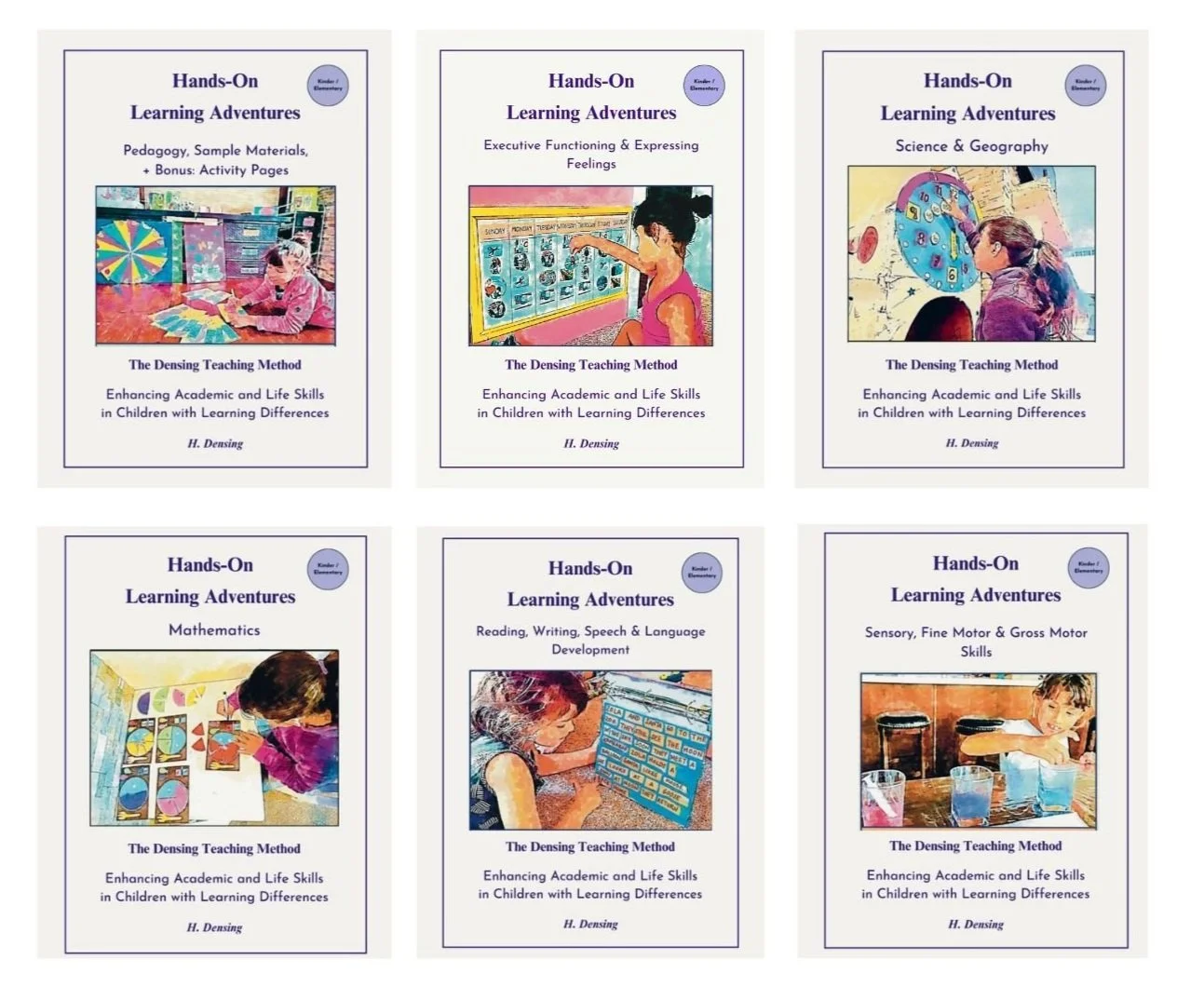
Some activities from the Hands-On Learning Adventures series may also be suitable for children who can participate in simple matching, exploring objects, or other adapted learning activities.
The Densing Teaching Method books were developed for children with different learning needs and are not specifically designed for Angelman syndrome. Parents and teachers may find stories or activities that suit their child or student, depending on their individual abilities, interests, and support needs.


Supporting the Whole Child
Children with Angelman syndrome may need support across several developmental areas. Communication difficulties can affect participation in everyday activities, while motor difficulties may make it harder to demonstrate understanding. Sleep disturbances or physical discomfort can affect attention and behavior, and sensory preferences may influence which activities a child enjoys or avoids.
These areas often interact, so it is important to consider the child's overall needs rather than focusing on one skill at a time.
Parents, therapists, healthcare professionals, and educators can work together to identify meaningful learning goals and appropriate support. Depending on the child's needs, this may include speech-language therapy with AAC, occupational therapy, physical therapy, and special education.
In the United States, families of children under three can contact their state's early intervention program directly to request an evaluation. A doctor's referral is not required to make initial contact. For children aged three and older, families can contact their local public school system to request an evaluation for special education services.
The goal is to support communication, participation, comfort, and opportunities to learn according to each child's individual abilities and needs.
Sources and Further Information
Angelman Syndrome Foundation
Information about Angelman syndrome, family support, educational resources, and clinical care.
Angelman Syndrome Foundation: Communication Training Series
Communication and AAC resources for families, caregivers, and educators.
https://angelman.org/resources/communication-training-series/
NIH GeneReviews: Angelman Syndrome
Detailed information about the genetic condition, developmental characteristics, diagnosis, and care.
https://www.ncbi.nlm.nih.gov/books/NBK1144/
American Speech-Language-Hearing Association (ASHA)
Professional guidance about augmentative and alternative communication.
https://www.asha.org/practice-portal/professional-issues/augmentative-and-alternative-communication/
CDC: Early Intervention
Information about developmental support services and how families can request evaluations.
https://www.cdc.gov/act-early/early-intervention/
Final Note
Every child with Angelman syndrome has different abilities, interests, and support needs. Some children may develop greater independence in certain skills, while others may require ongoing assistance.
Parents, caregivers, and educators can provide opportunities for learning and communication through everyday activities while working with qualified professionals to identify appropriate goals and support.
Important: This page provides general educational information and does not replace medical advice, individualized therapy, or a professional developmental evaluation. The suggested activities may not be suitable for every child and should be adapted to individual abilities and needs. They are not treatments for Angelman syndrome, and no specific developmental improvements can be guaranteed.